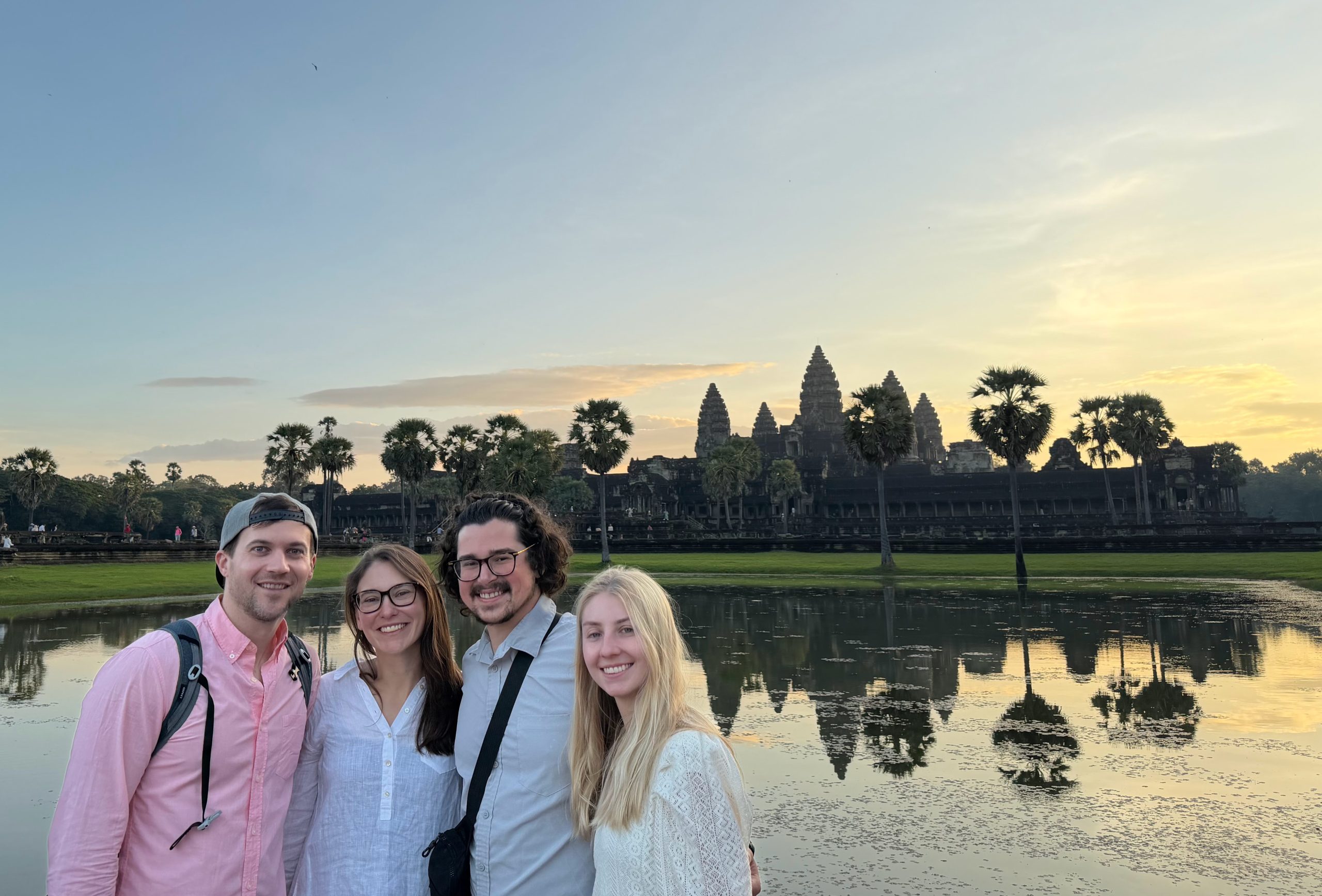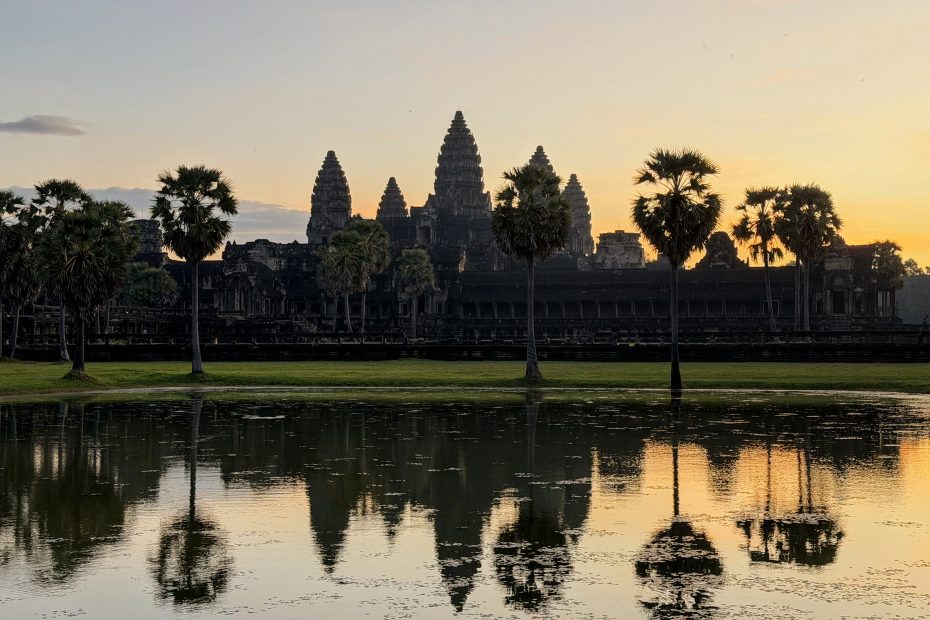
Siem Reap is the gateway to the ancient temples of Angkor, but there’s far more here than early morning sunrises and stone ruins. From incredible local food to relaxing spas, this laid-back city offers the perfect balance of culture, comfort, and adventure for any traveler. (And, of course, Angkor Wat).
Temples to Visit
There are a few different ways to visit the temples around Angkor Wat. You can arrange your own transportation (car or tuk-tuk) and hire a guide at the entrance – there will be no shortage of them vying for your business. You can also go through your hotel for a group or private tour, or book something in advance.
We opted to book a private tour ahead of time. Overall, it was a great experience: our guide was knowledgeable and friendly, and having a car with AC (plus water and cool towels after each stop) made a huge difference in the heat. That said, we do wish we had met our guide in person before committing – his English was a bit difficult to understand at times. One advantage of waiting until you arrive (either booking at the gates or through your hotel) is that you can actually talk to guides beforehand and make sure they’re a good fit. Still, no major regrets – we visited a wide range of temples over two days and came away really impressed.
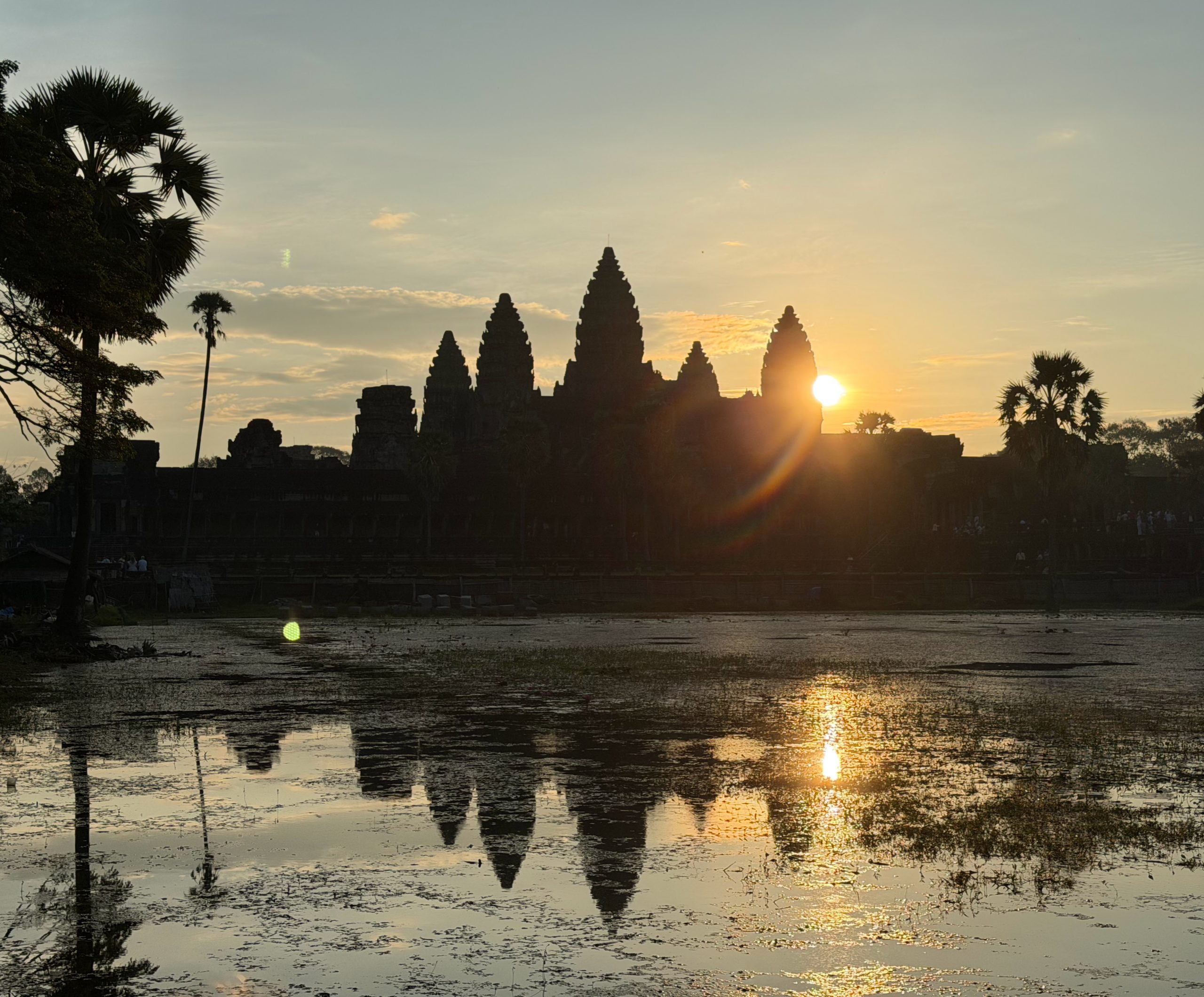
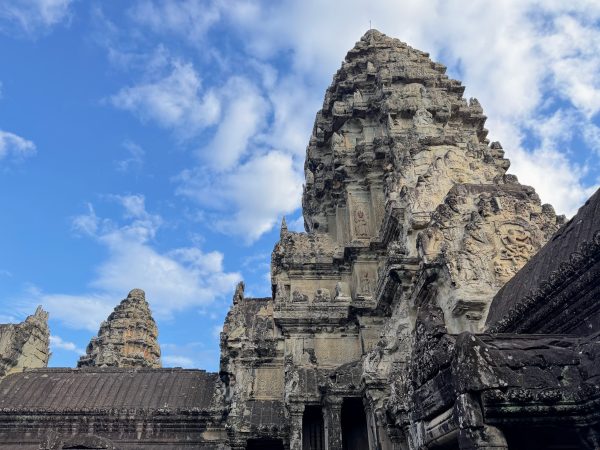
- Angkor Wat: The crown jewel of the complex, Angkor Wat is as iconic as it gets – and also the most crowded, for good reason. The classic experience is arriving before sunrise to watch the sky light up behind the temple, with its reflection shimmering in the ponds out front. It’s beautiful, but also very much a shared experience with thousands of other tourists. Once the sun comes up, you’ll move through the complex with the crowds, learning about its history, admiring the intricate carvings, and taking more photos than you planned. One tip we heard (but didn’t follow) was to catch sunrise here, then immediately leave to visit other temples and return later in the morning once the crowds thin out. In hindsight, that probably would’ve been the move – but it does require some coordination with your guide.
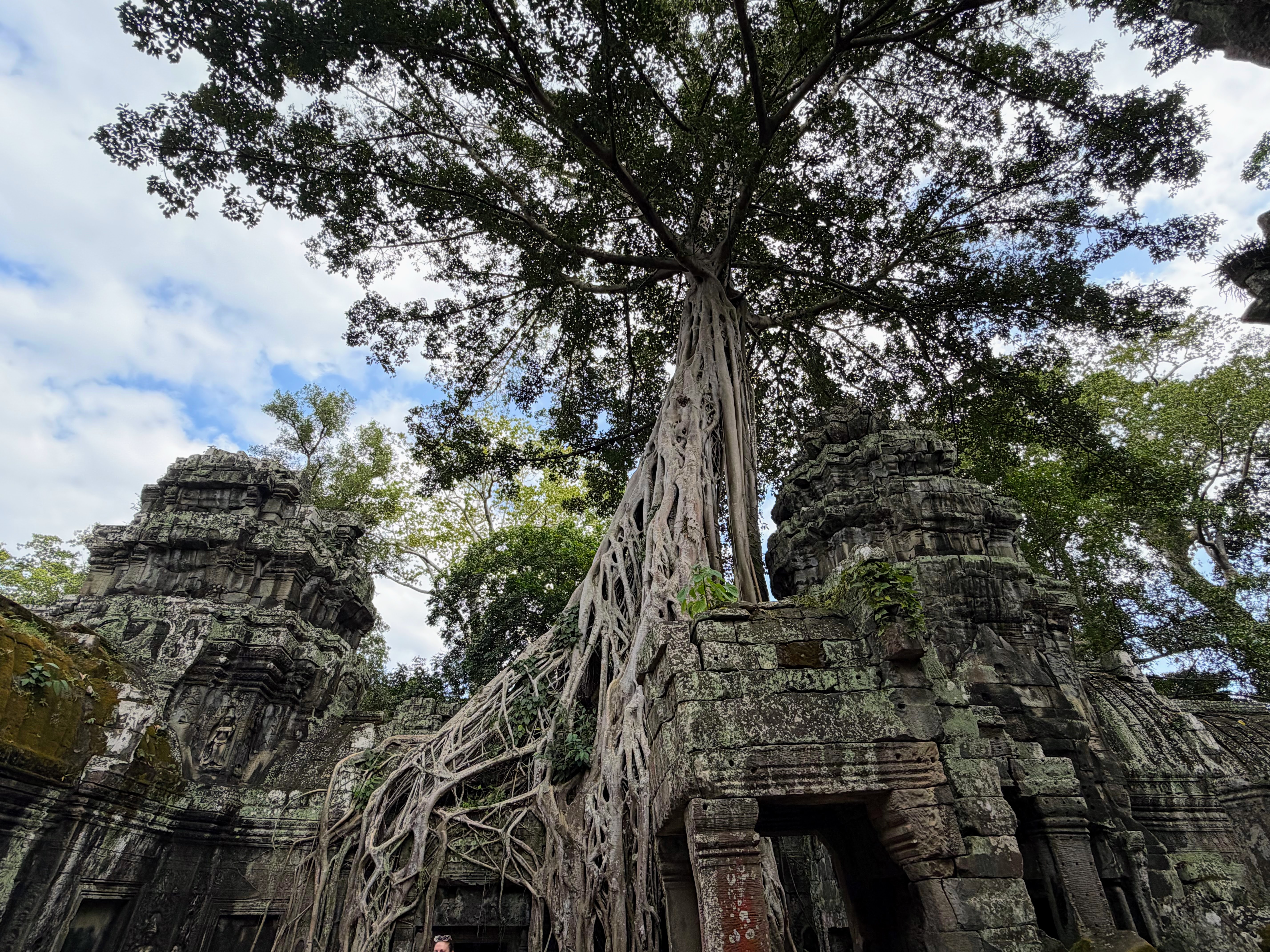
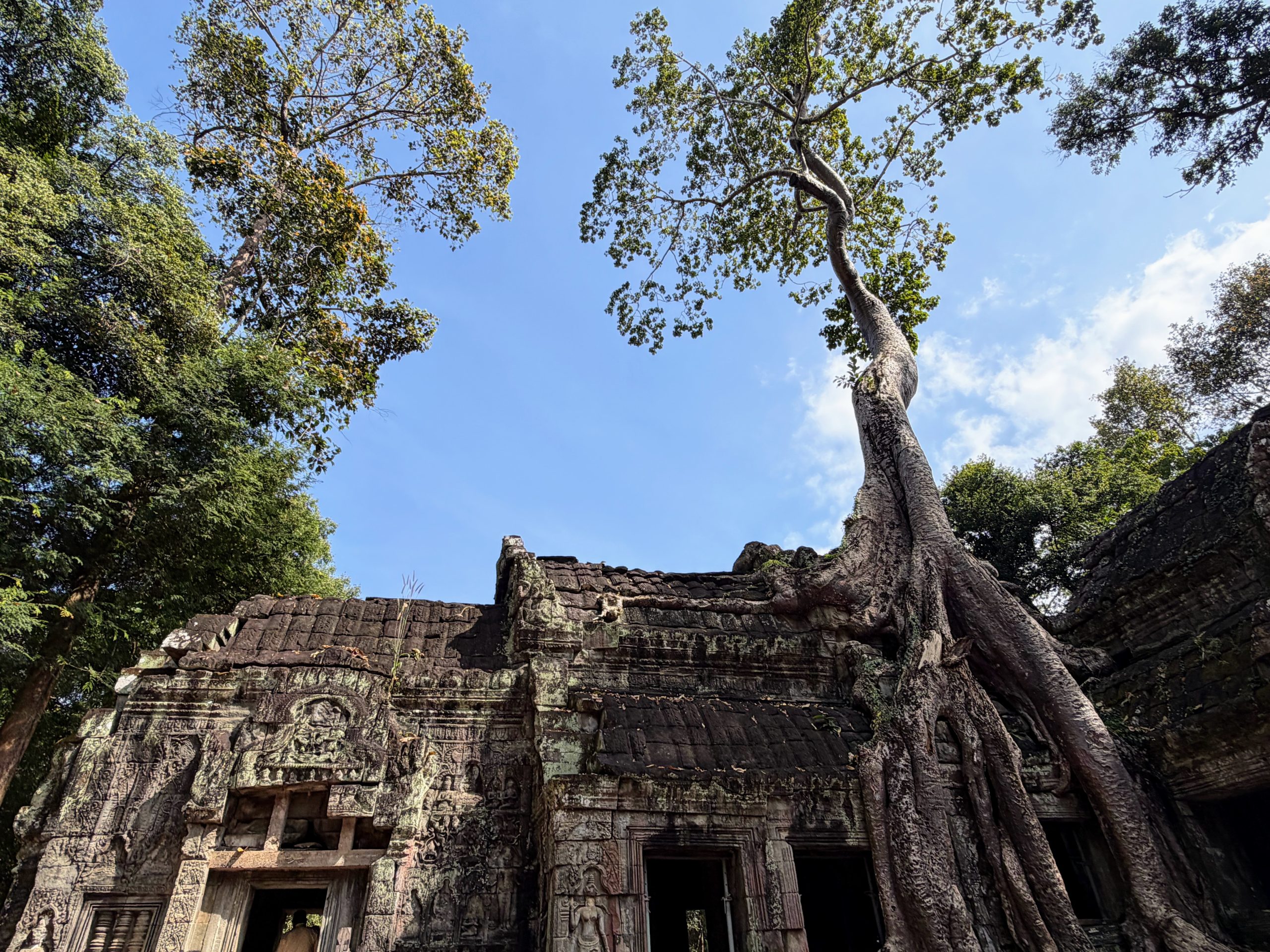
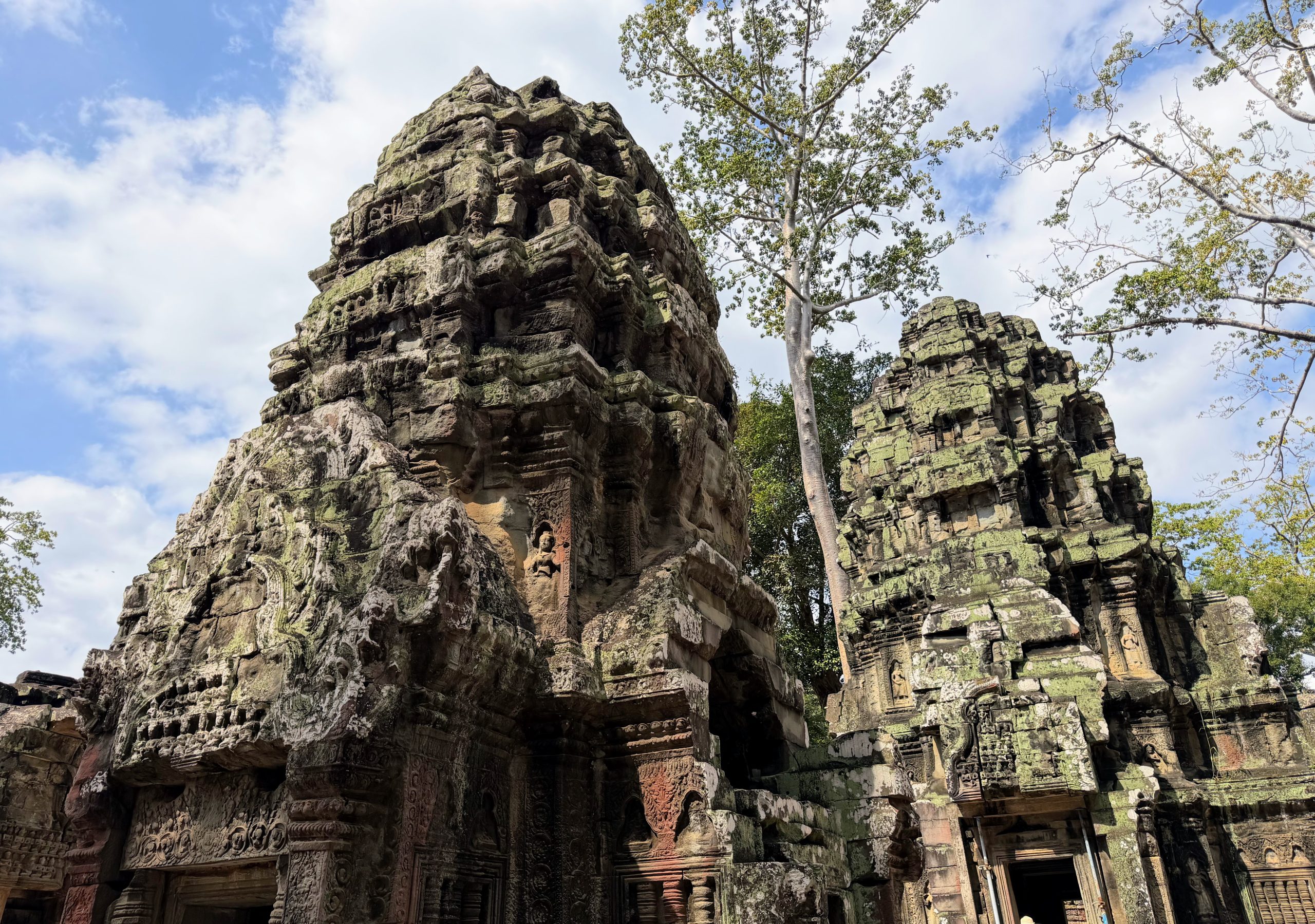
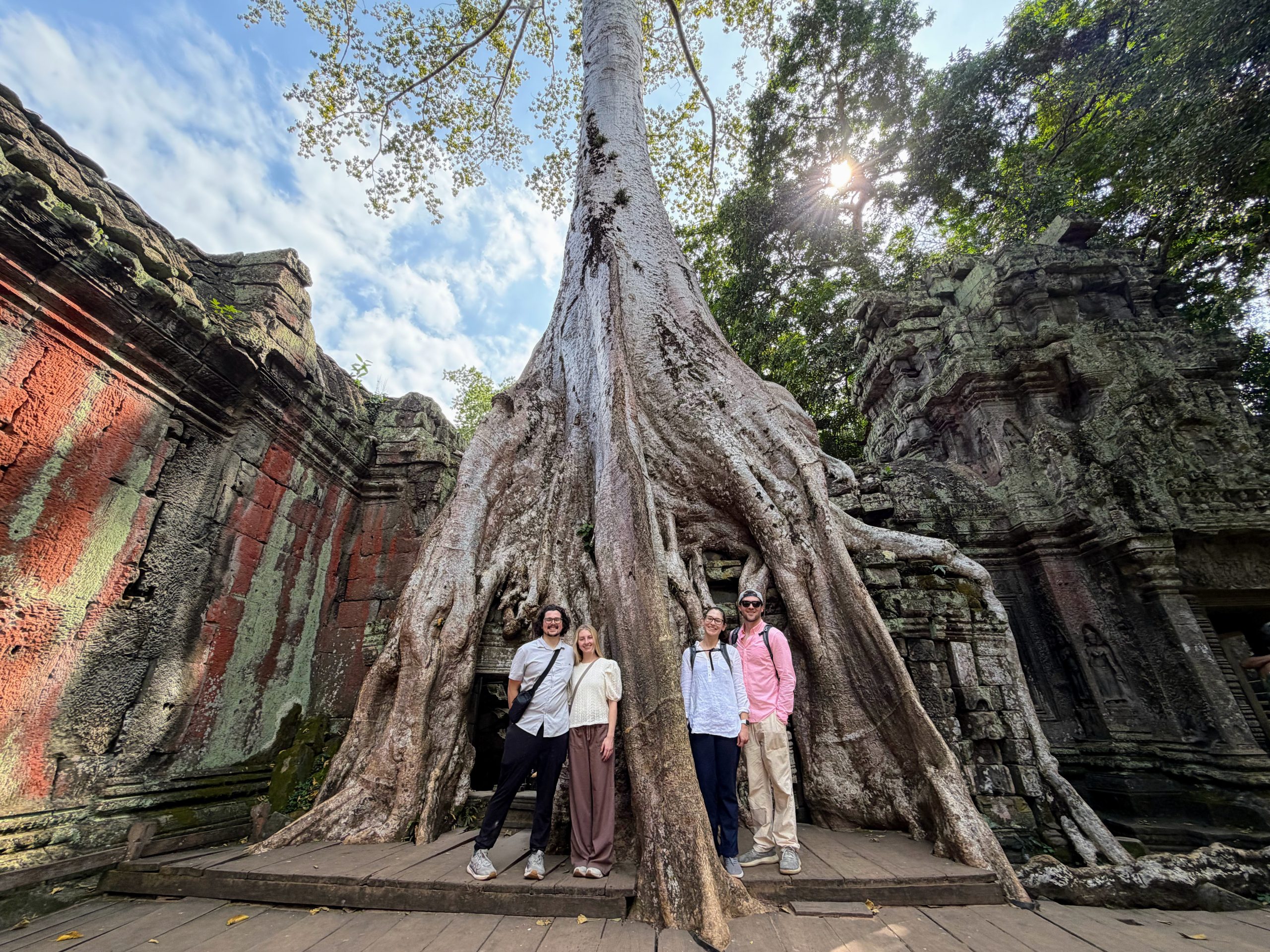
- Ta Prohm Temple: Ta Prohm was our favorite temple – yes, even over Angkor Wat. It’s famous for the way nature has completely taken over the ruins, with massive trees growing out of the temple walls and roots spilling over the stone structures. If it looks familiar, it’s because it was featured in Tomb Raider. It’s also larger than you might expect, with new angles and details around nearly every corner. This one gets busy too, so if you do leave Angkor Wat right after sunrise, this is a great next stop.
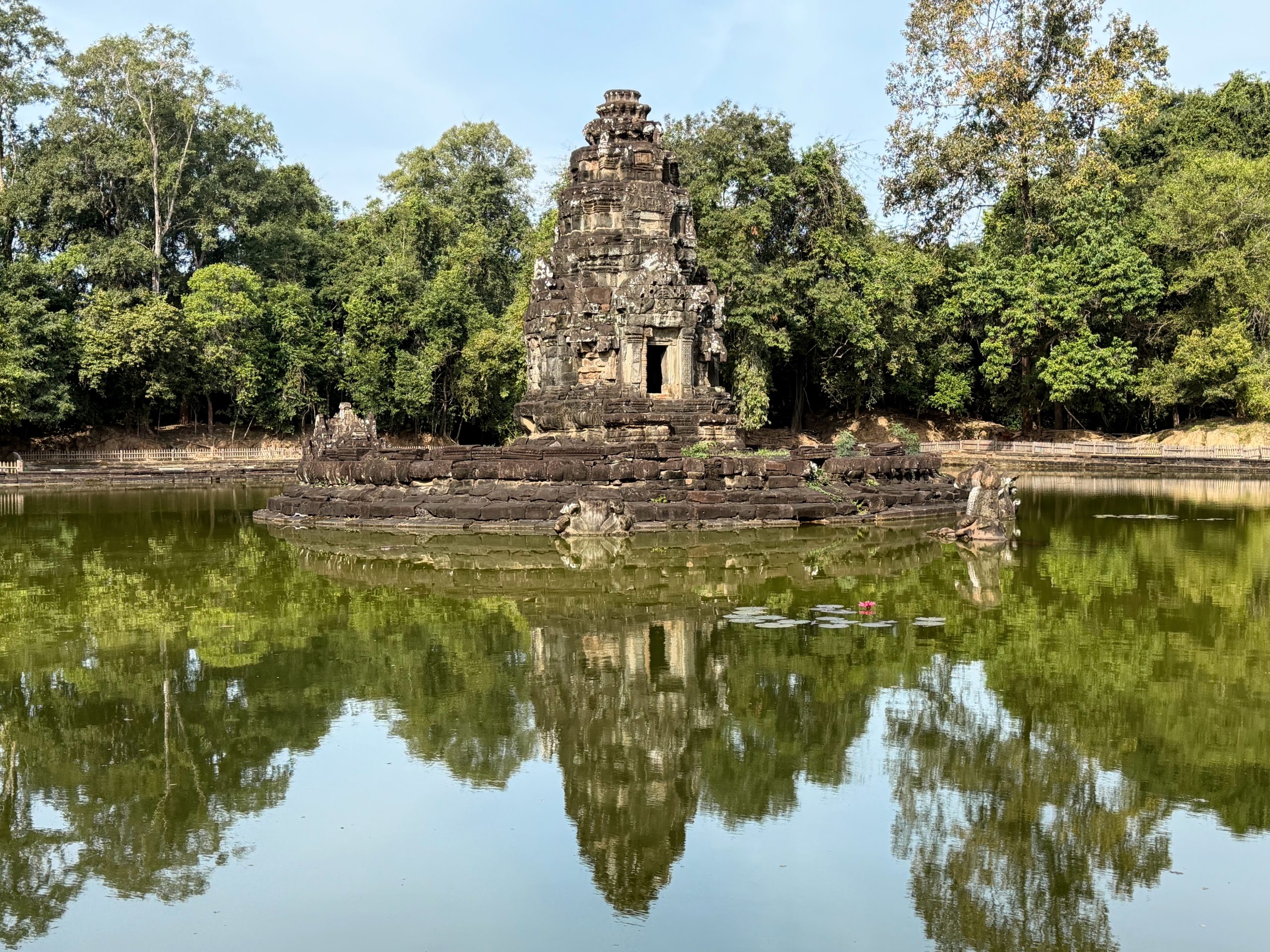
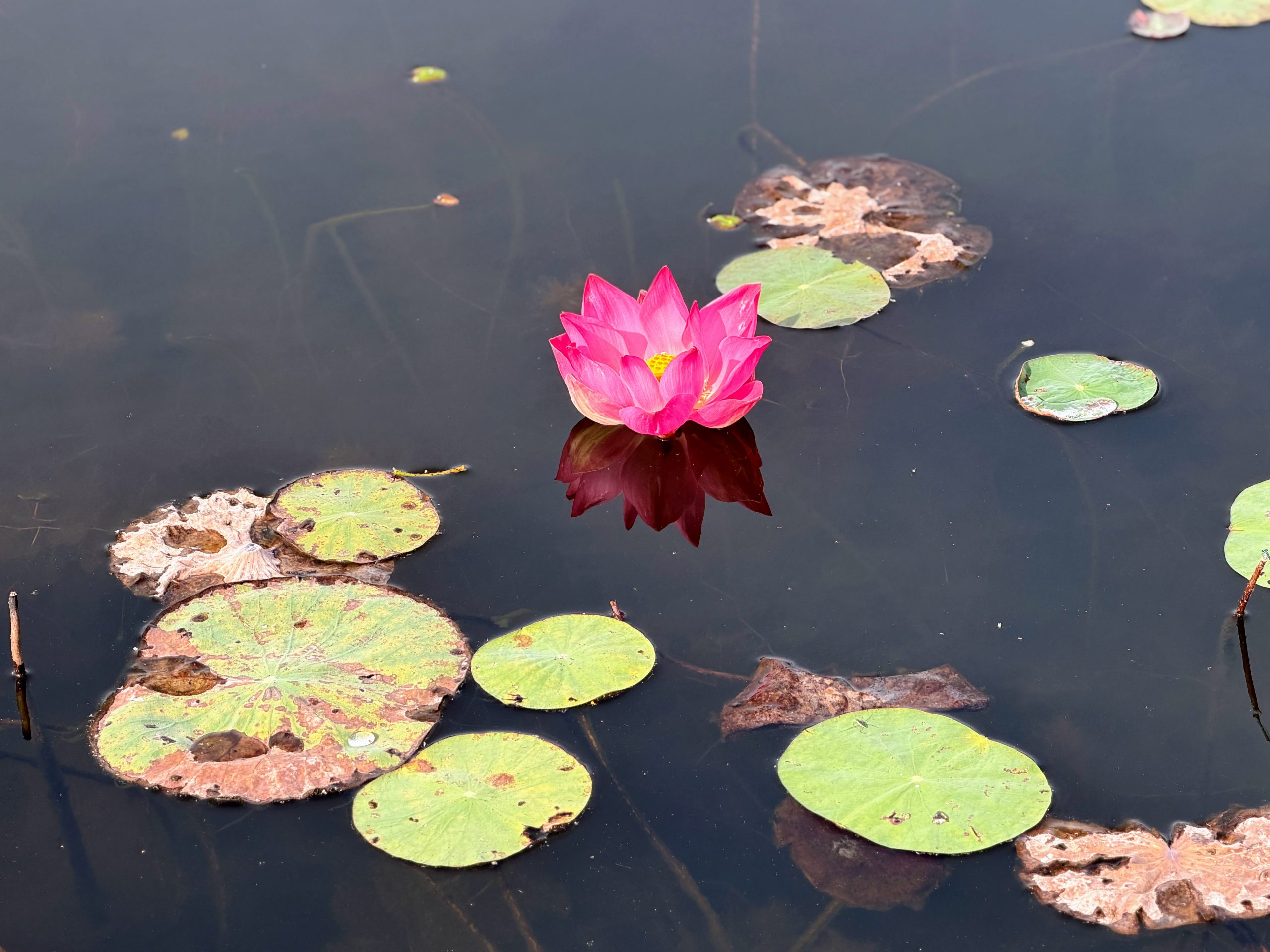
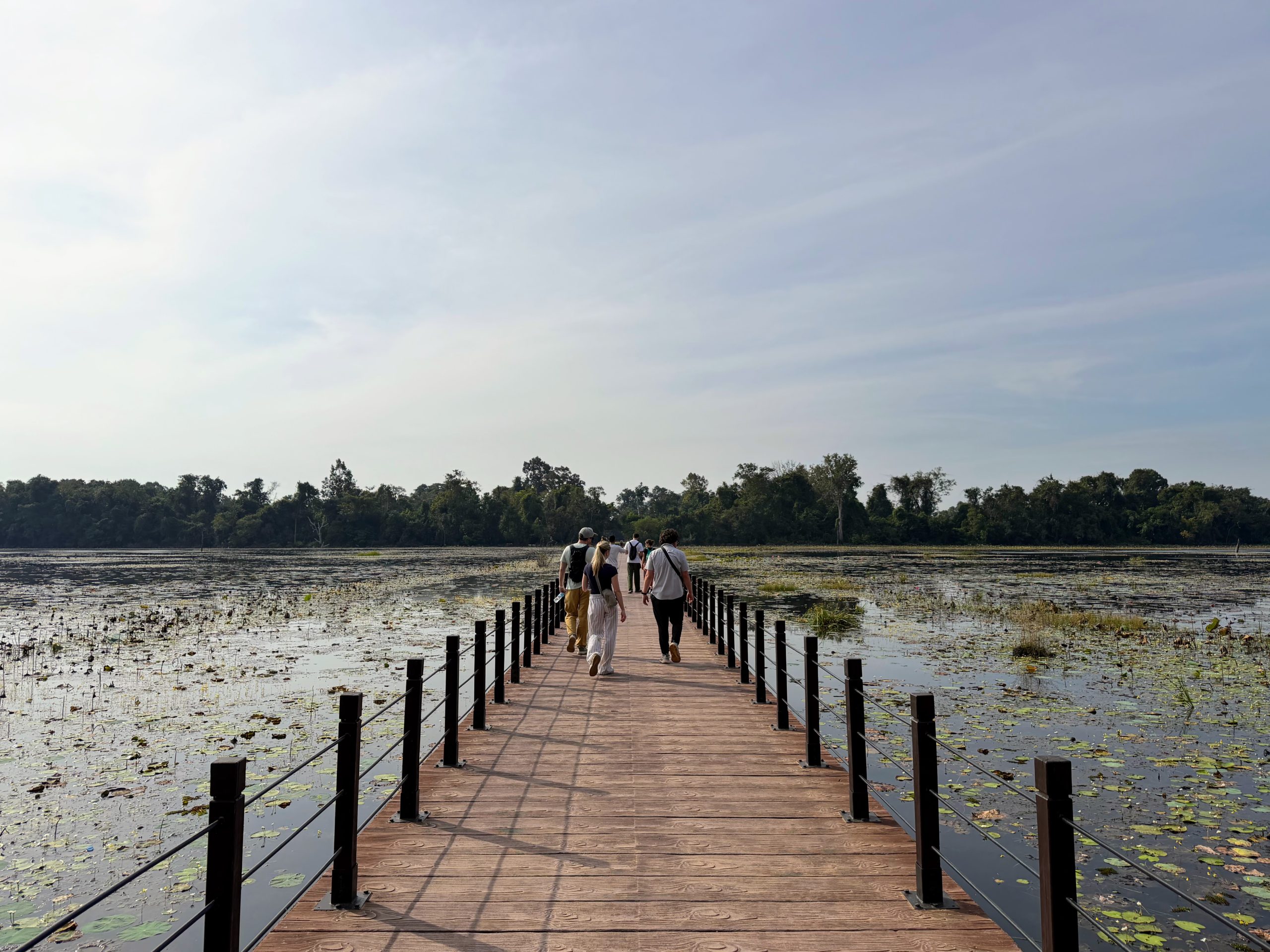
- Neak Poan Temple: Neak Poan was the smallest temple we visited, but one of the most peaceful. Surrounded by water and lily ponds, it feels completely different from the others. There’s a bit of a walk from the parking area, but that’s part of the appeal – the long wooden walkway leading in is incredibly scenic.
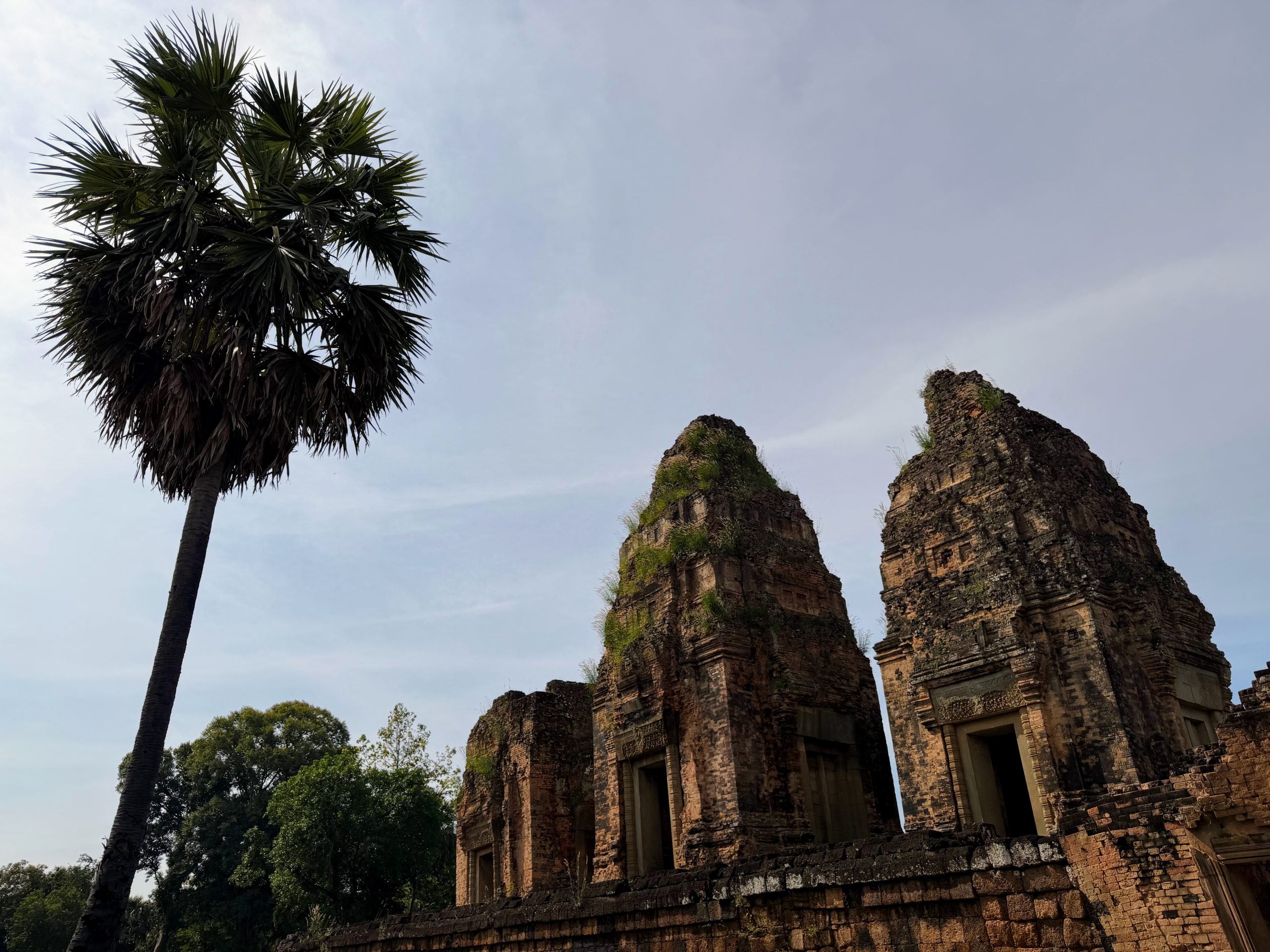
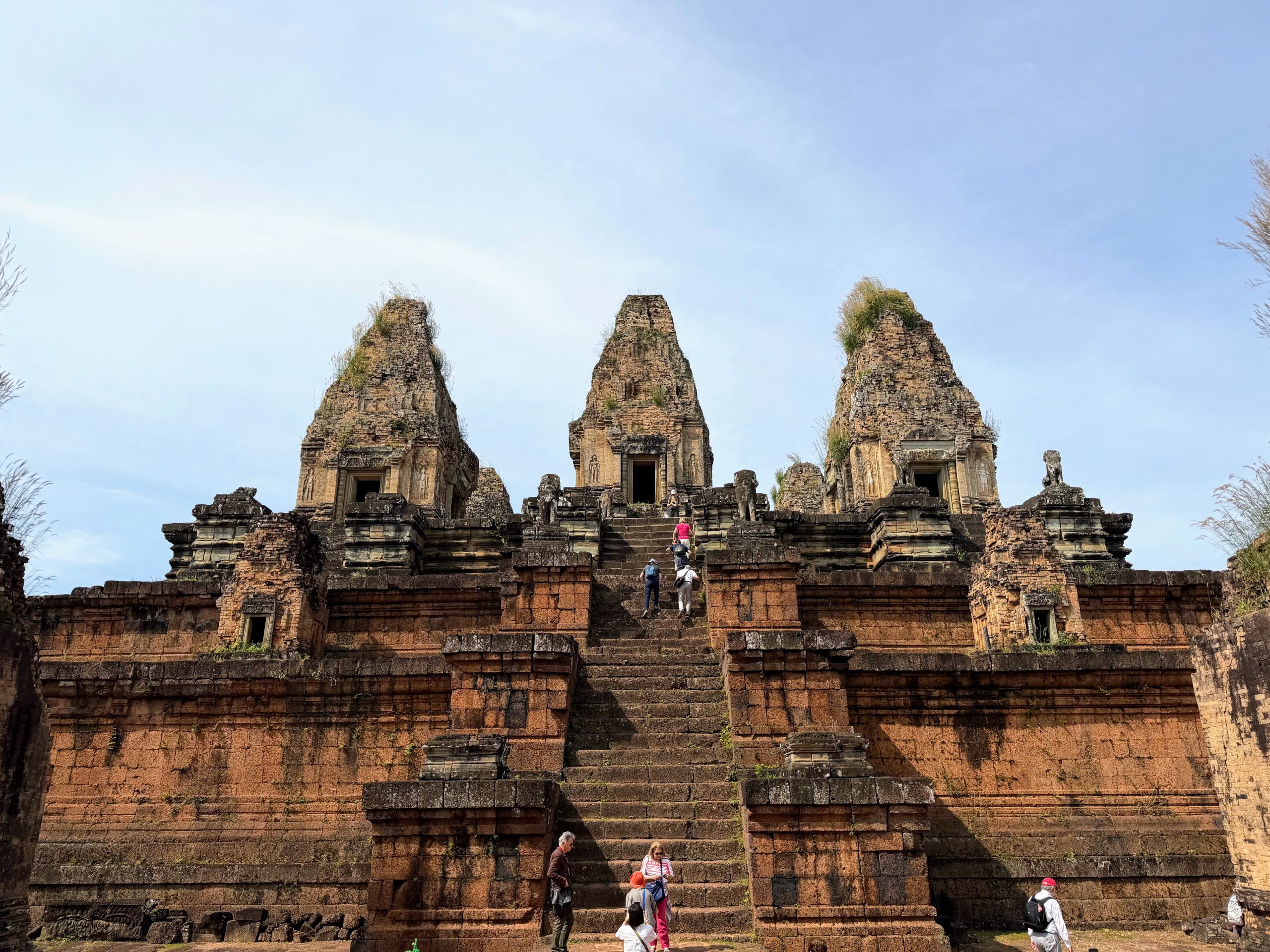
- Pre Rup Temple: Pre Rup stood out thanks to the reddish hue of its stone, which gives it a distinct look compared to many of the other temples. Climbing to the top was a highlight, offering great views over the surrounding landscape.
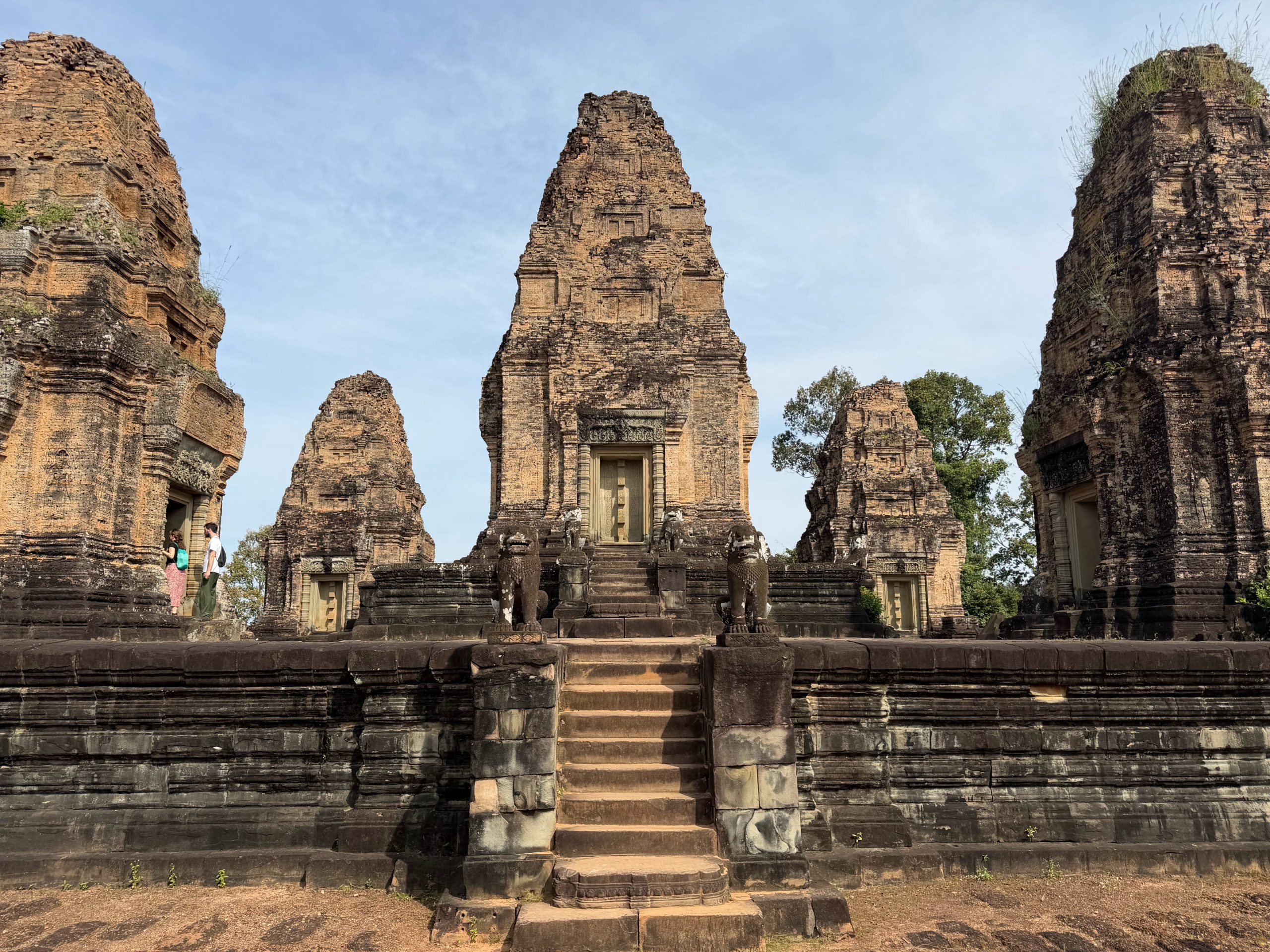
- Eastern Mebon Temple: East Mebon has a similar reddish tone to Pre Rup and is visually striking, with multiple towers and elephant statues around the perimeter. Definitely worth a stop.
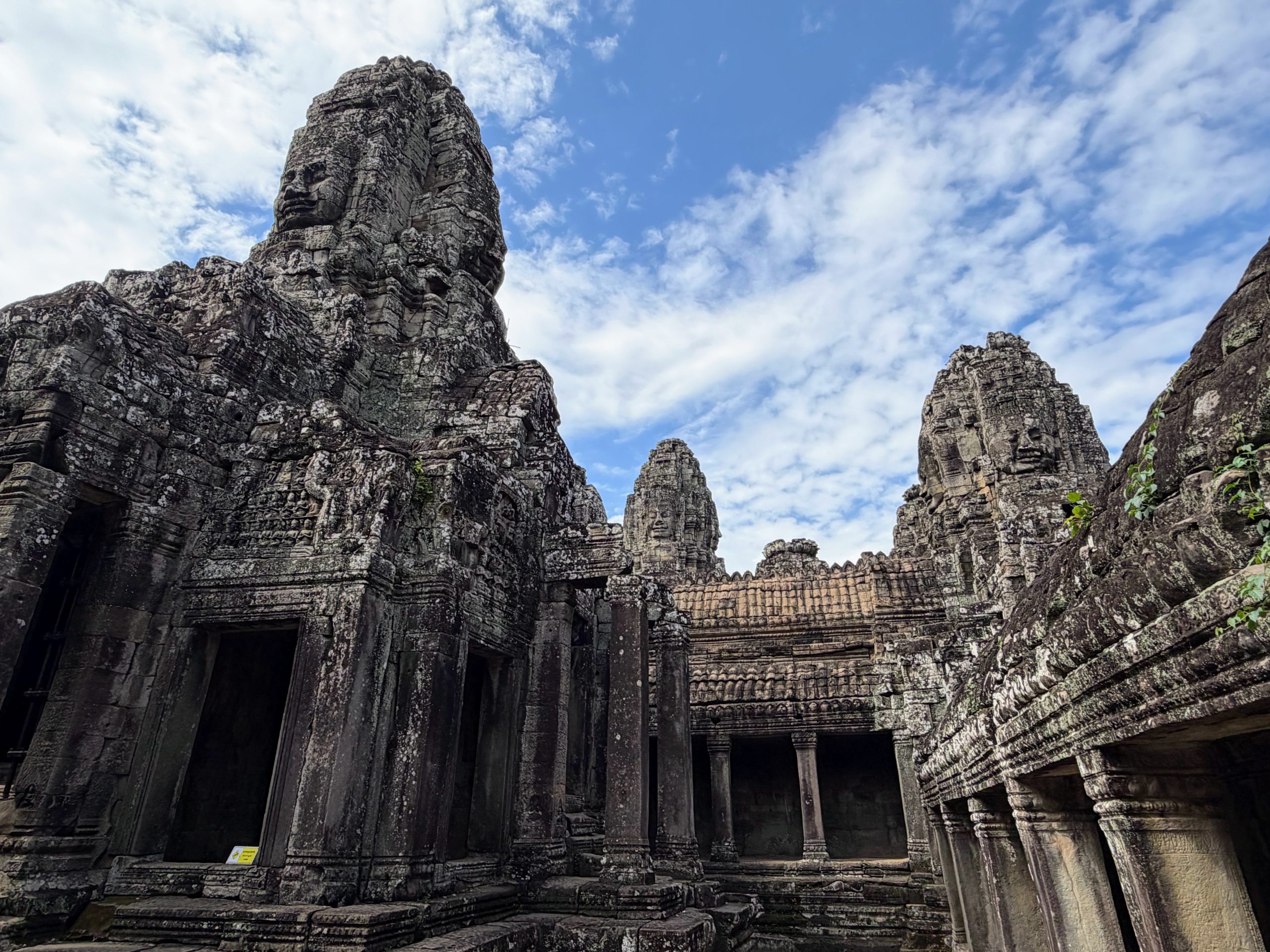
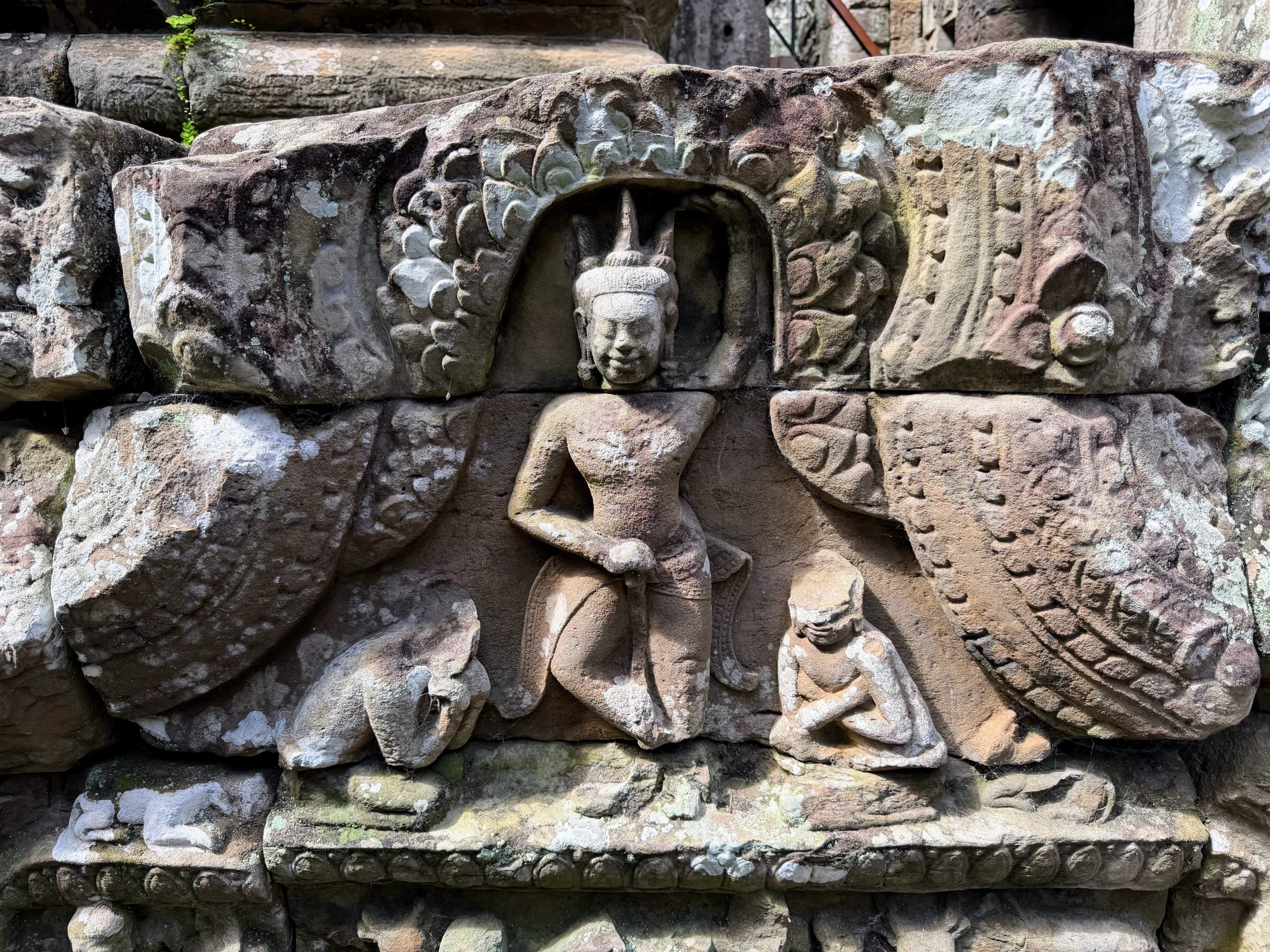
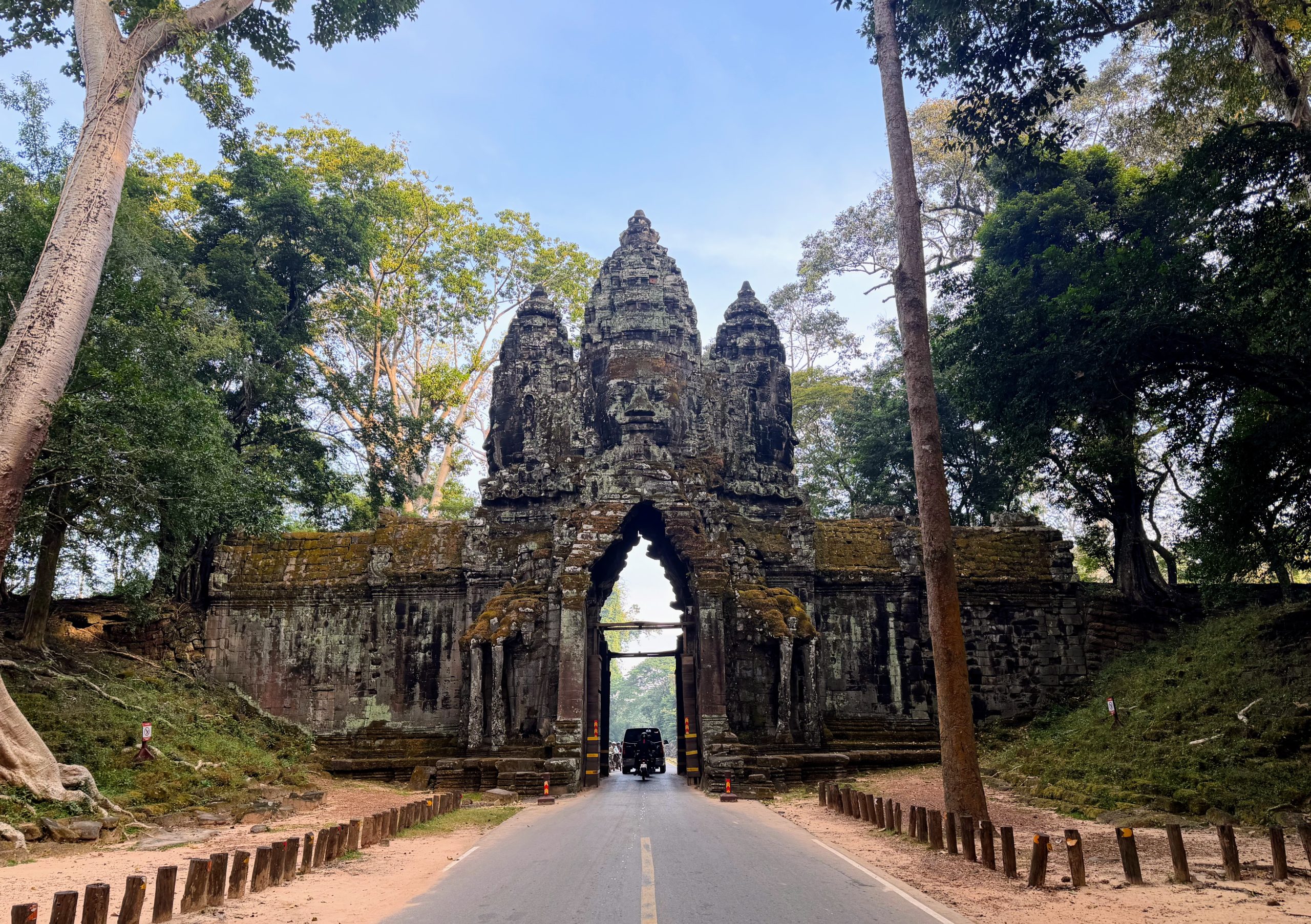
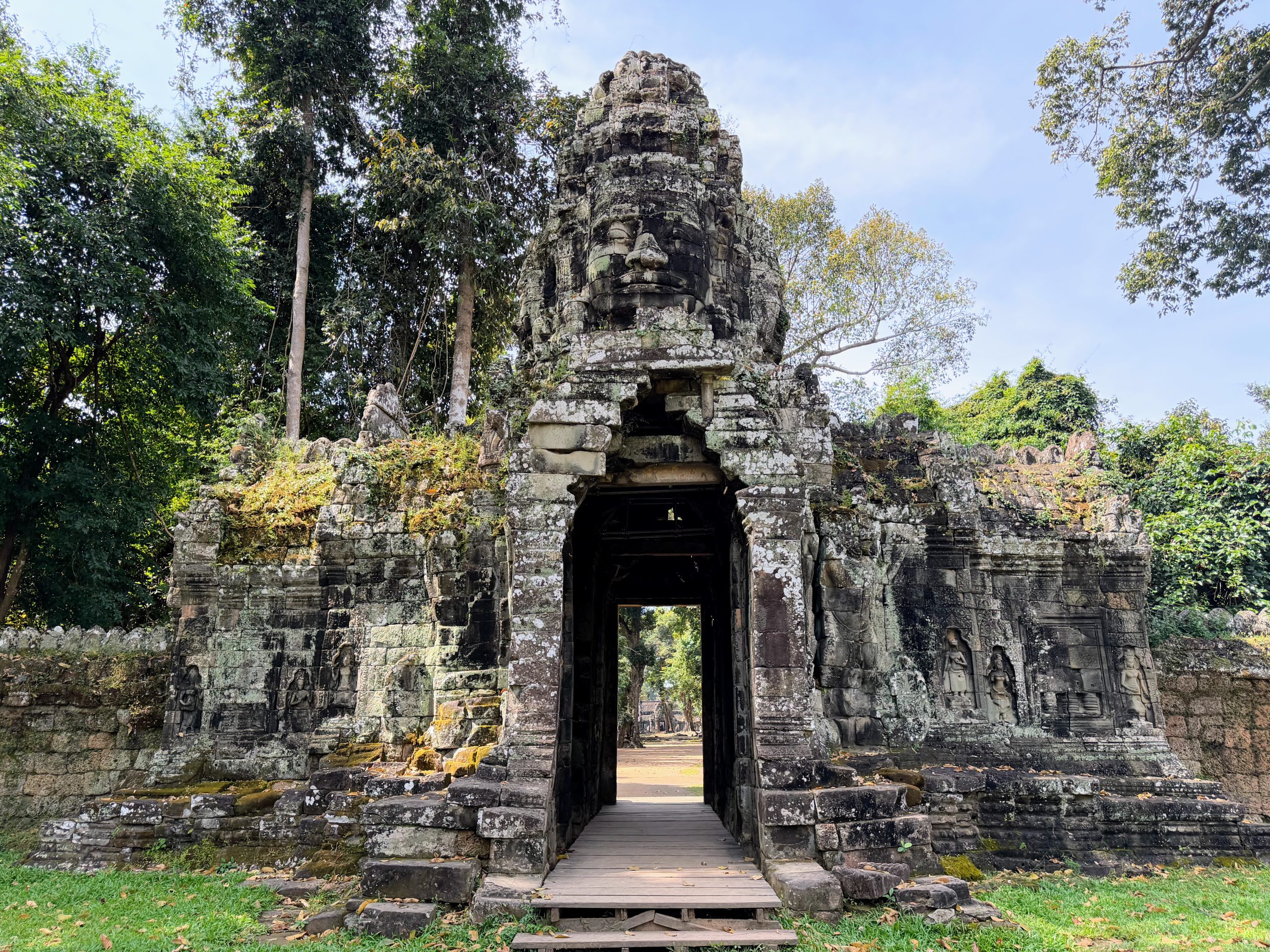
- Bayon Temple: Bayon felt massive and almost maze-like, with passageways that seem to go on forever. The defining feature here is the dozens and dozens of faces carved into the temple’s towers. It’s definitely worth exploring. It’s also close to a few other notable sites, including Baphuon and the Terrace of the Elephants.
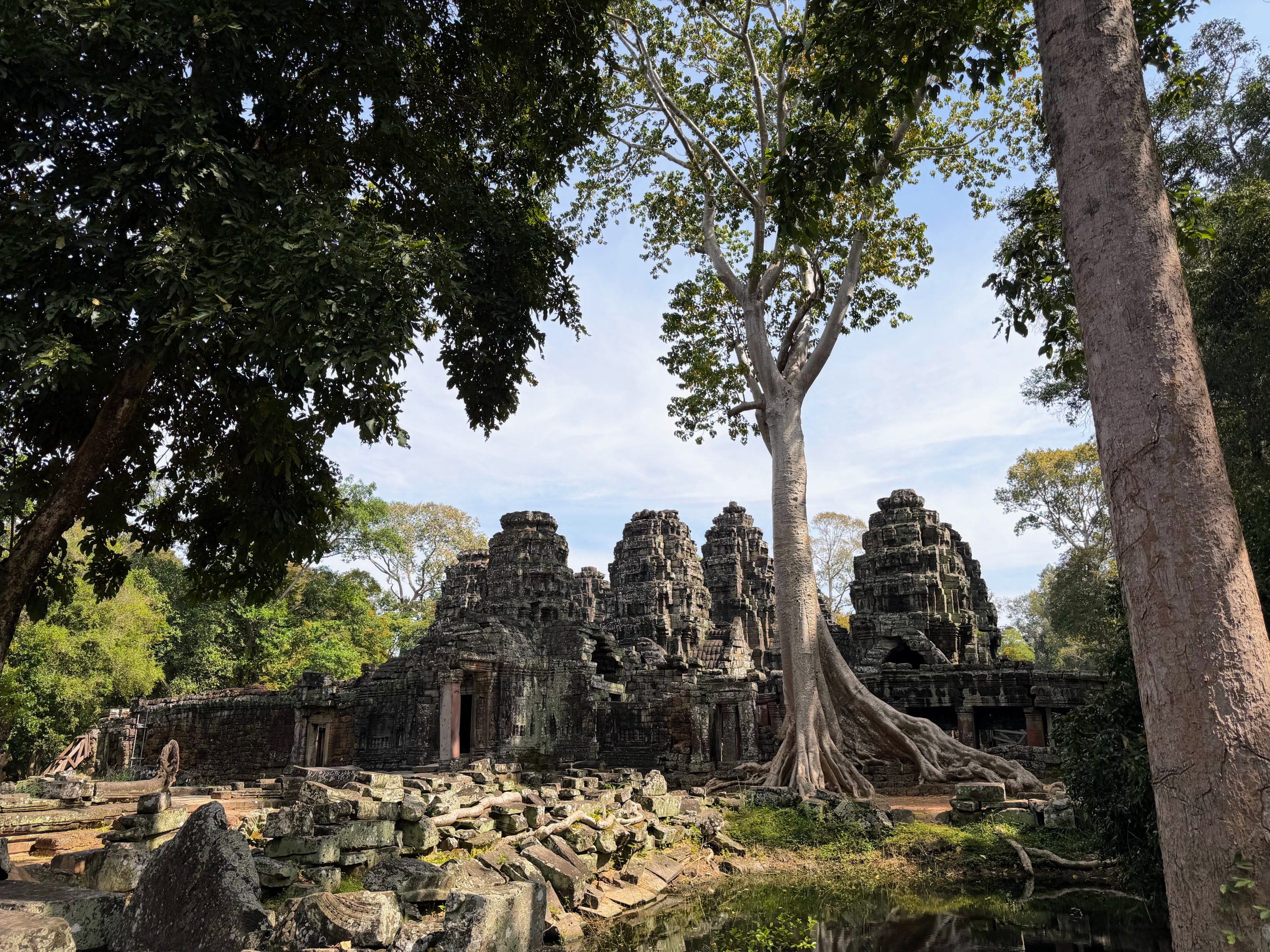
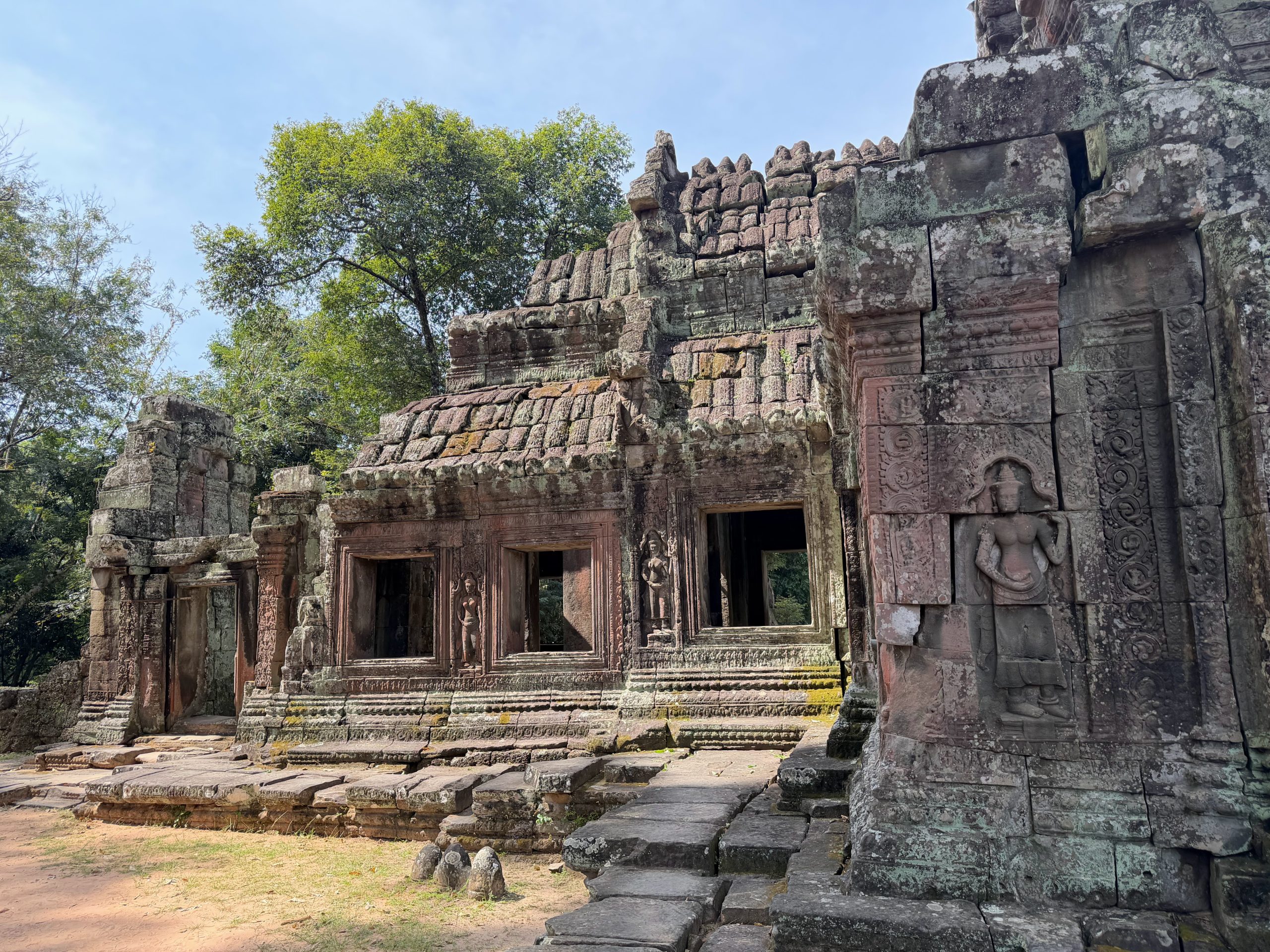
- Banteay Kdei Temple: Think of Banteay Kdei as “Tomb Raider lite.” It also features large trees growing through the ruins, though on a smaller scale than Ta Prohm. Still, it ended up being one of our more enjoyable stops and is well worth the visit.
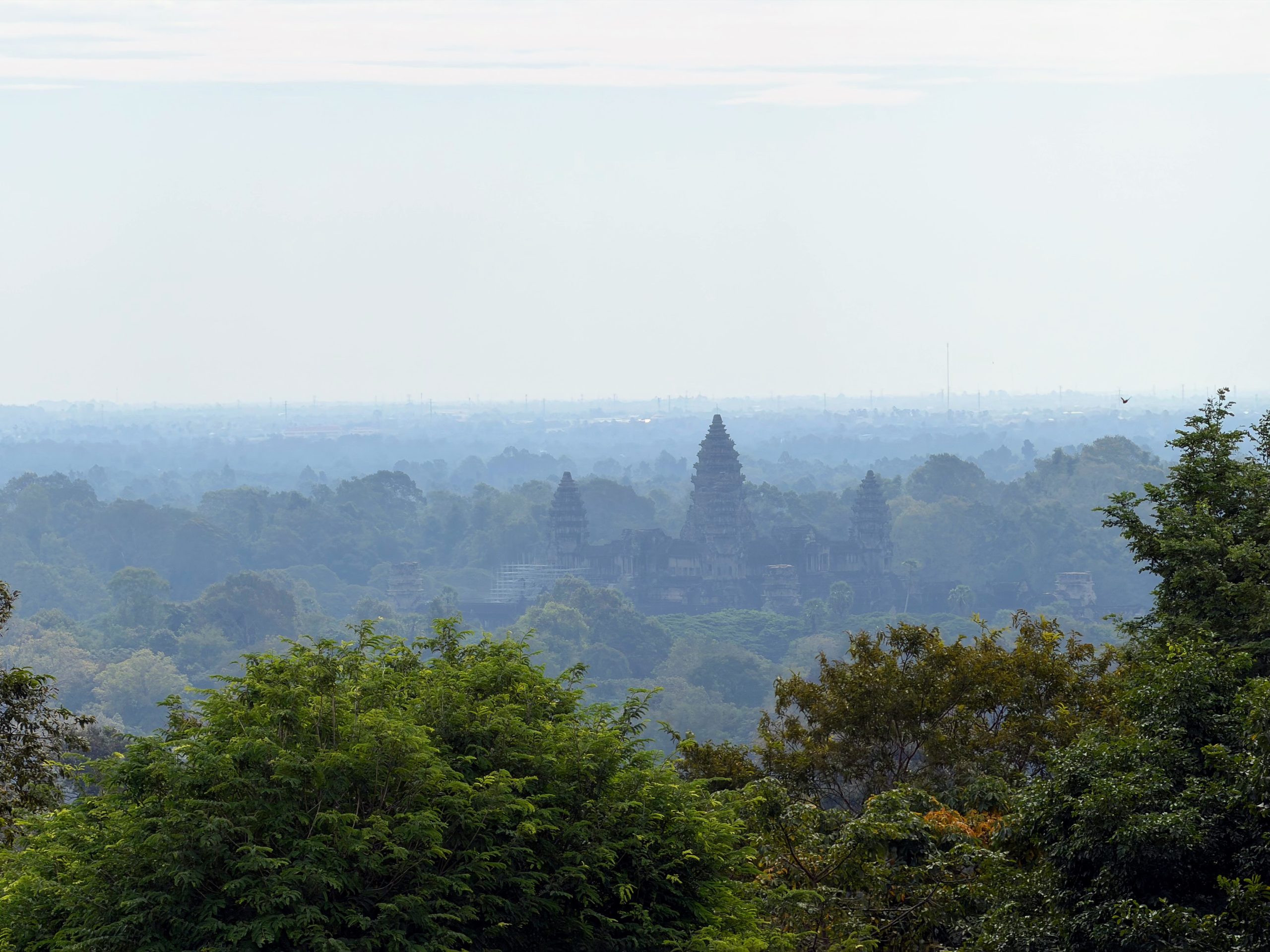
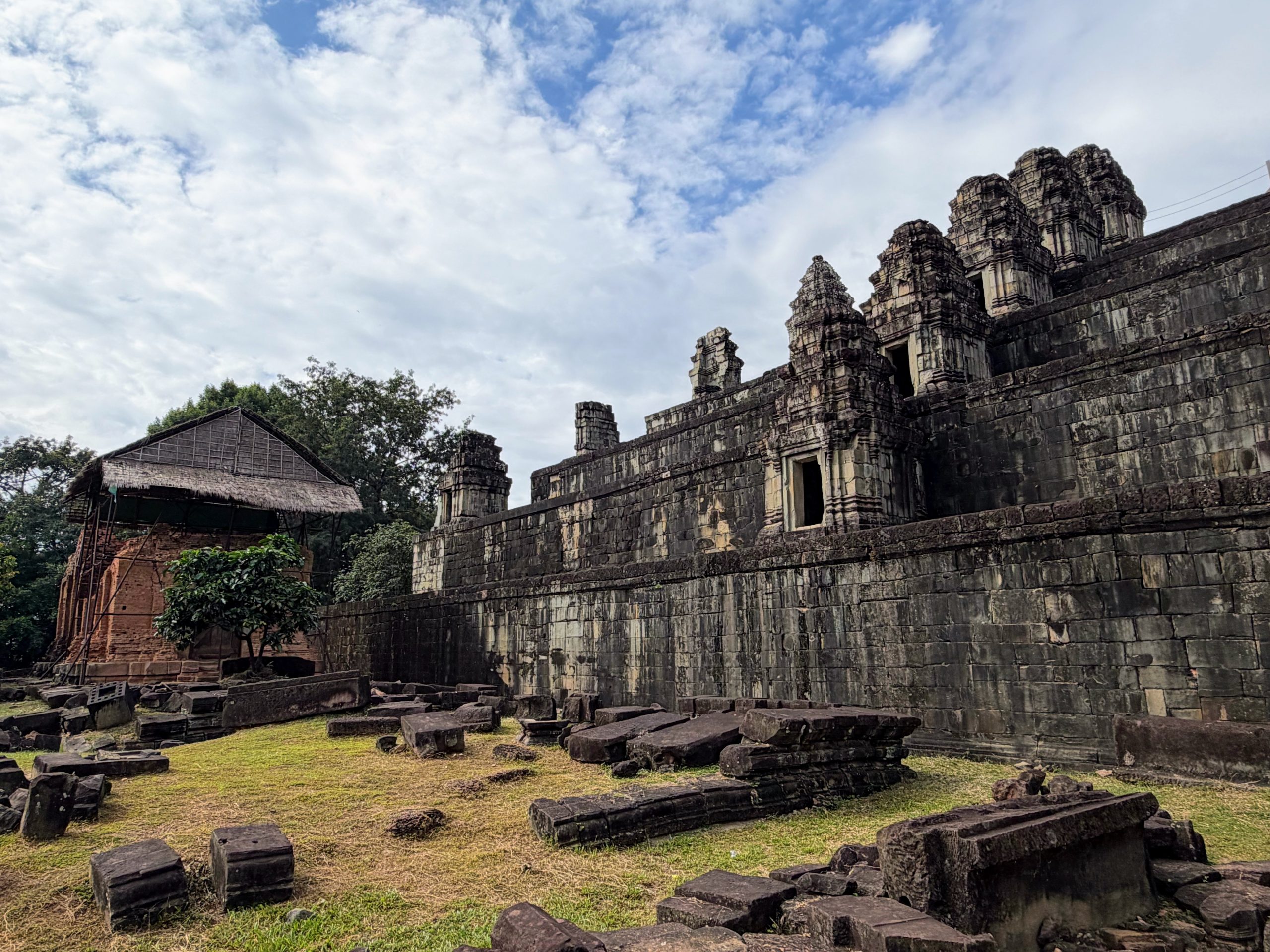
- Phnom Bakheng Temple: Admittedly, some of the temples do start to blend together a bit – they’re all impressive, but not all have truly distinct features. That said, Phnom Bakheng stands out for its elevated viewpoint. From the top, you can see Angkor Wat’s towers rising above the trees in the distance, which is a pretty cool perspective.
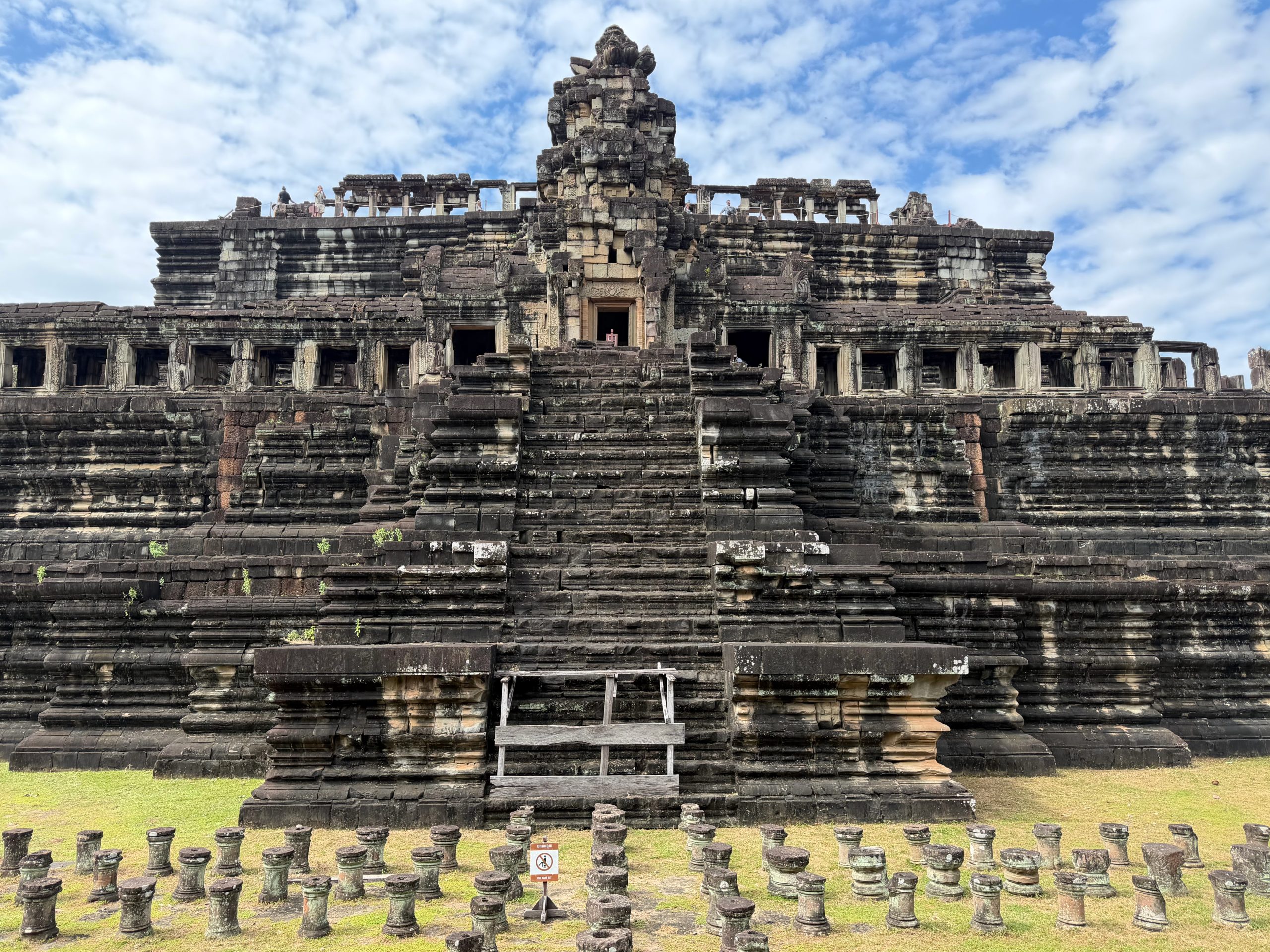
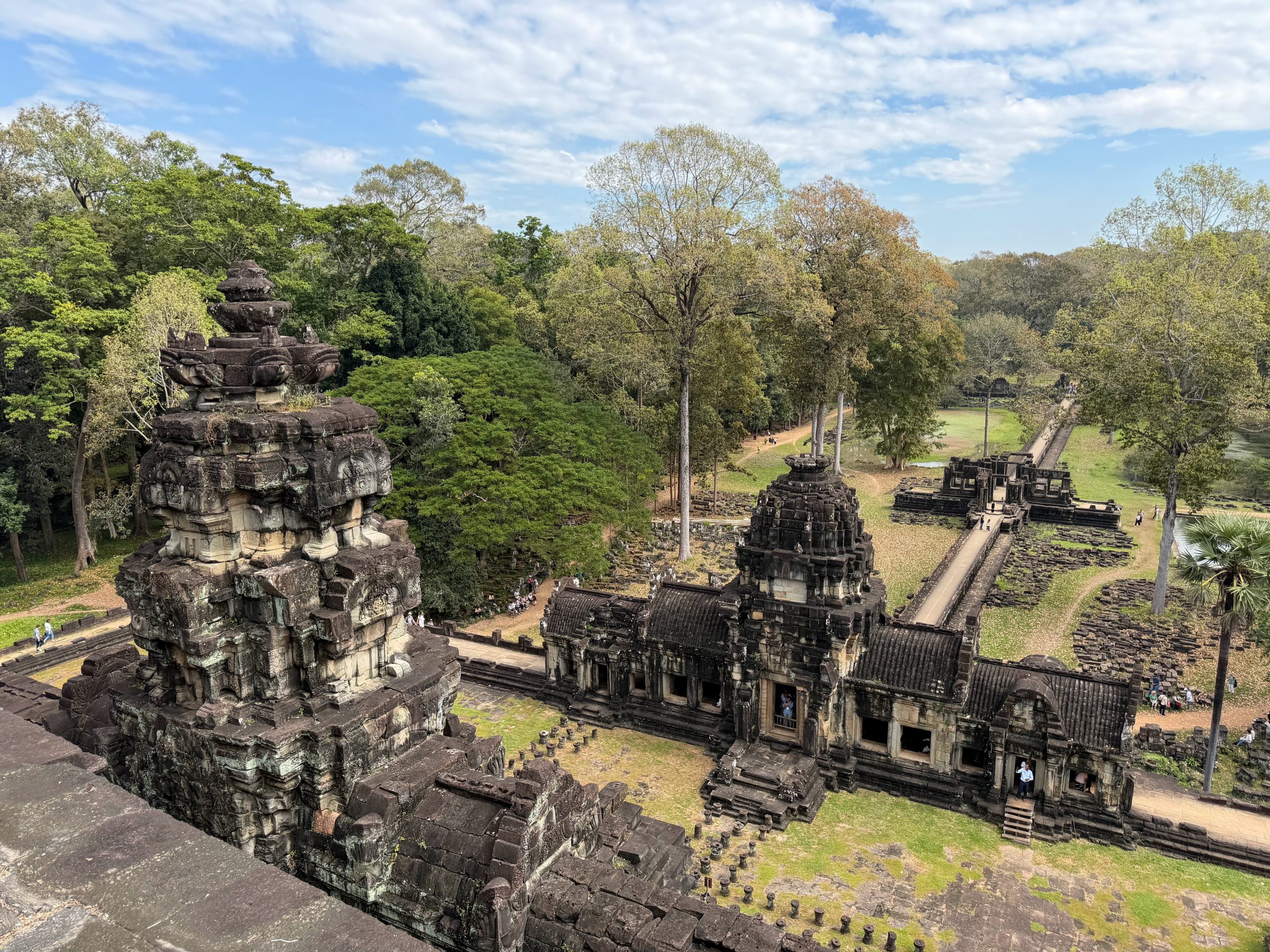
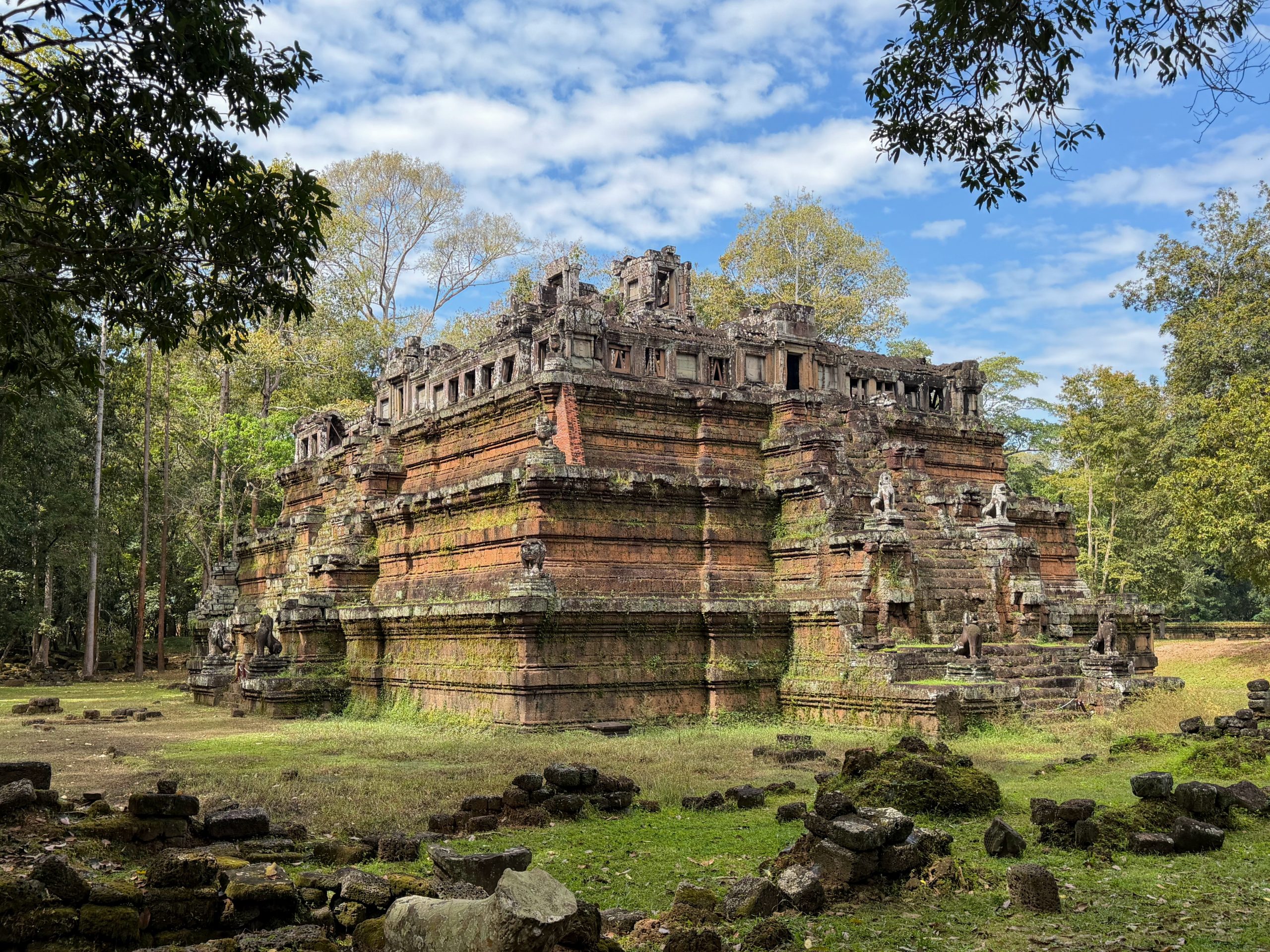
- Baphuon Temple: A quicker stop, but still a good one. Baphuon offers the chance to climb up and take in views of both the temple and the surrounding area.
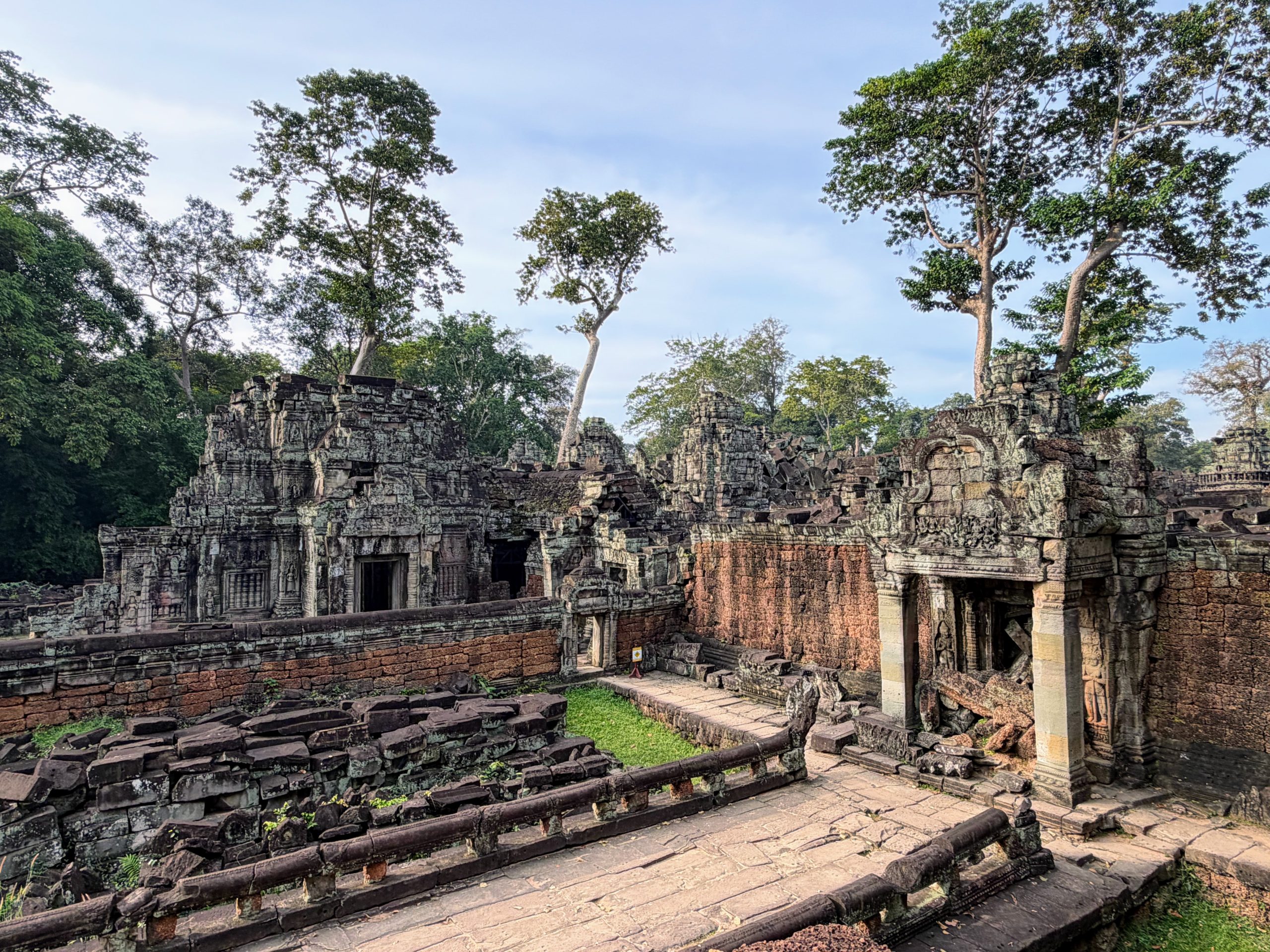
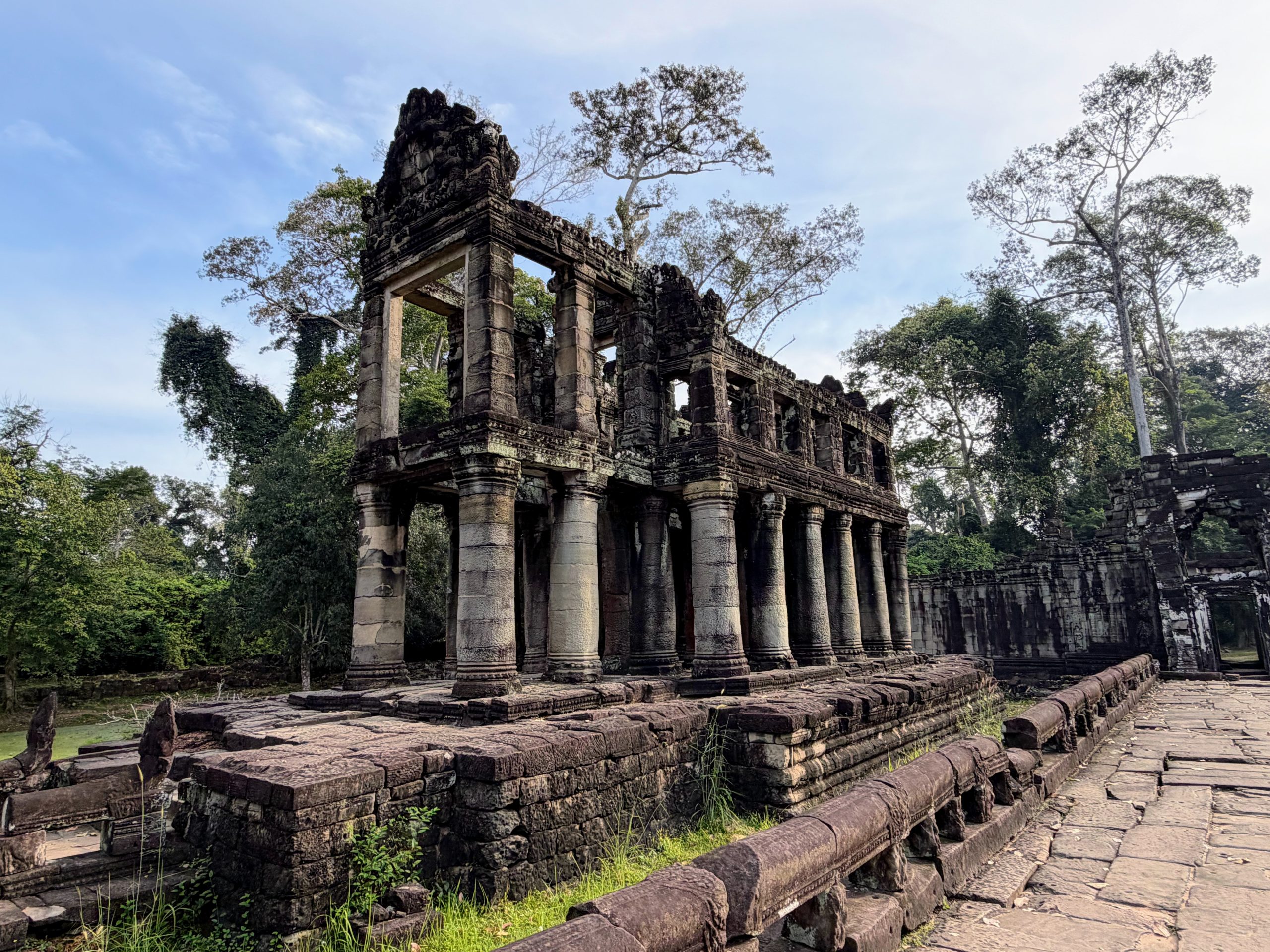
- Preah Kahn Temple: We kicked off our second day at Preah Khan. It’s undeniably impressive, though it didn’t have one standout feature that set it apart from the others we visited.
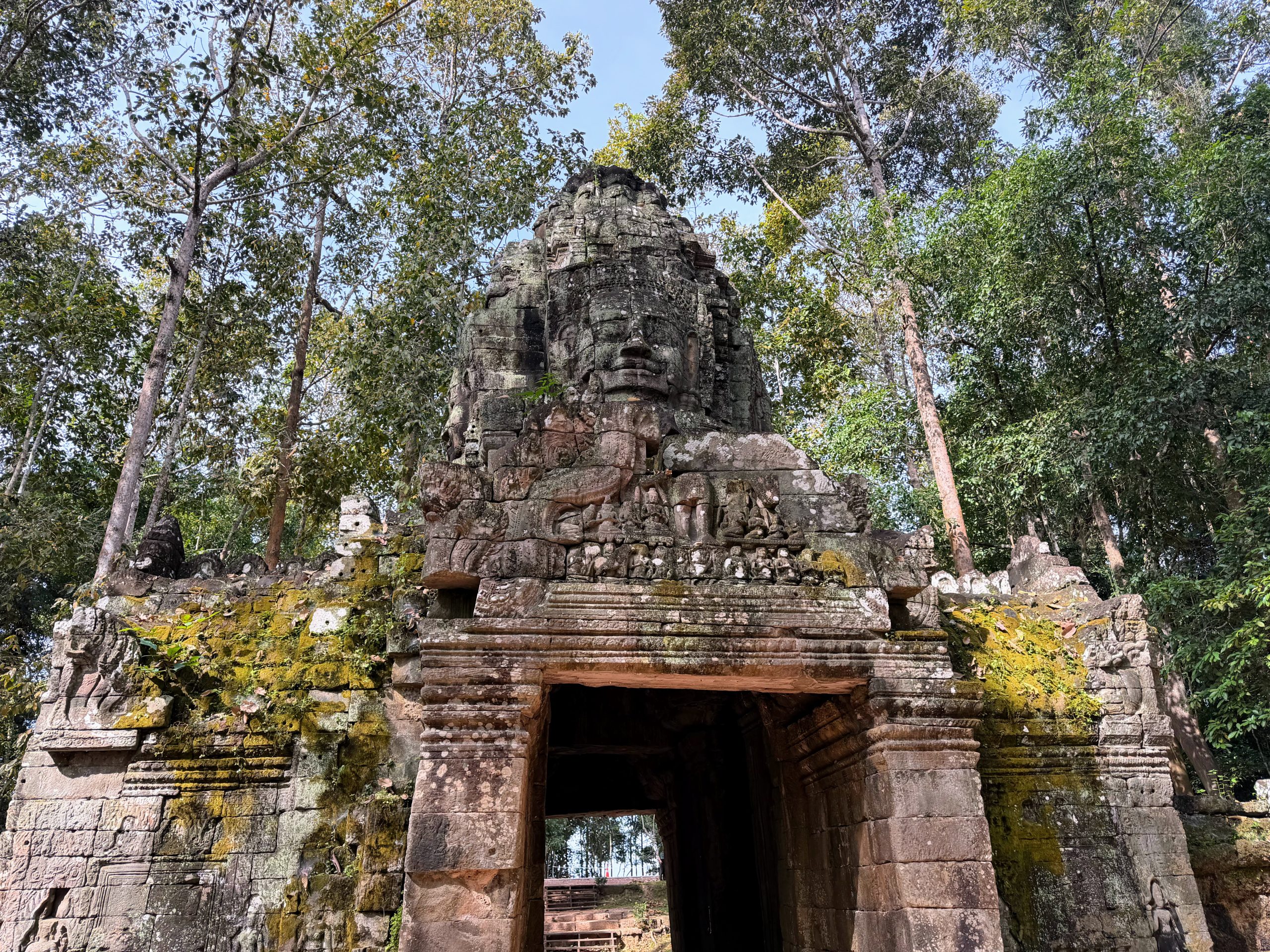
- Ta Som Temple: Ta Som was a very quick stop – a smaller temple near the water. Still worth seeing, but similar to a few others in that nothing in particular stood out.
Other Things to Do
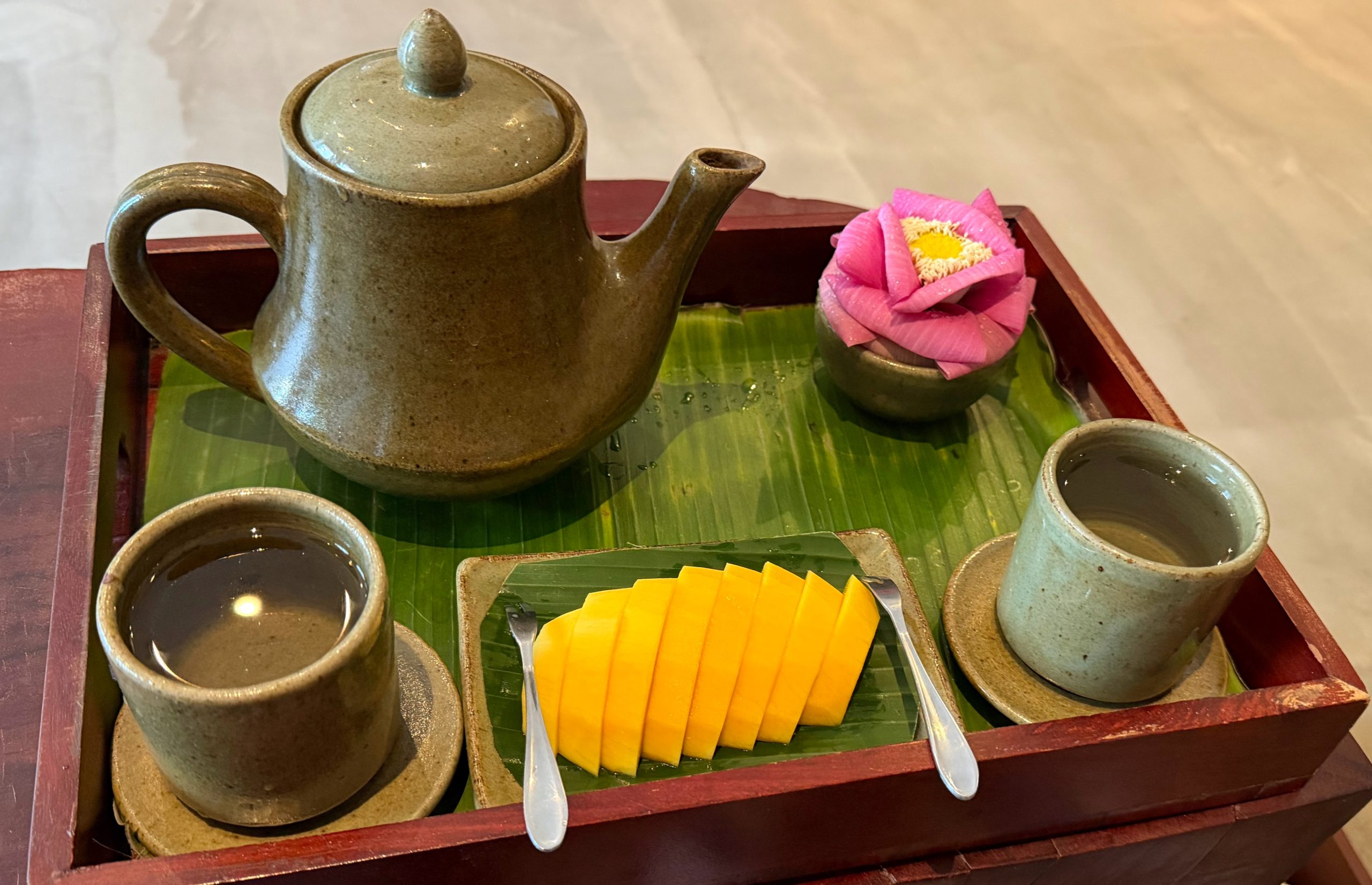
- Khmer Massage: One of the more pleasant surprises in Siem Reap was just how good the Khmer massages were – honestly, we found them to be better than the Thai massages we had while traveling through Thailand. We went to Relax Spa, and it was exactly what you want after a long, hot morning of temple-hopping: cool, calm, and genuinely relaxing. We all walked out feeling refreshed and reset. If you’re looking for a way to break up the day, a midday massage is a perfect excuse to get out of the heat and recharge.
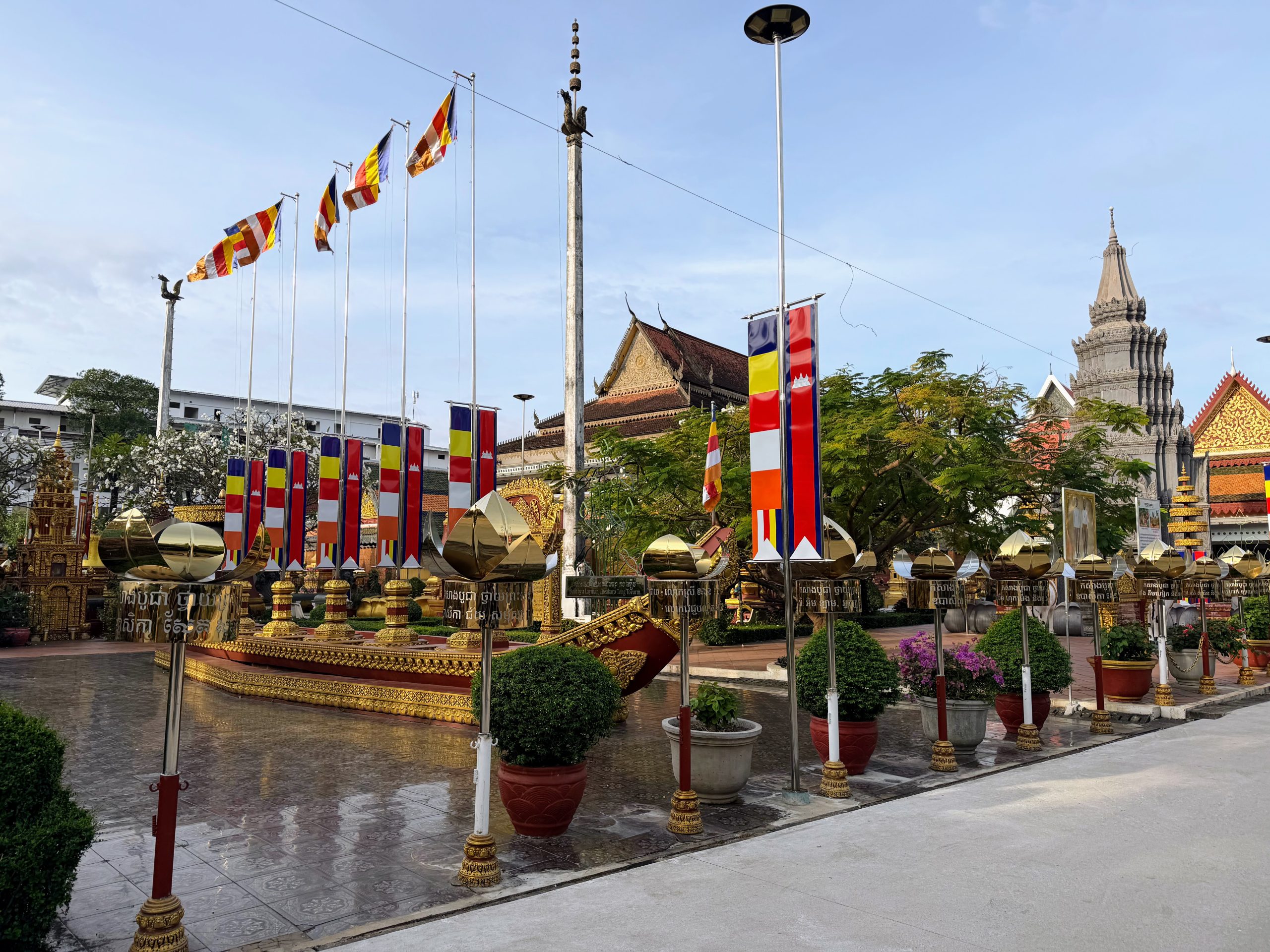
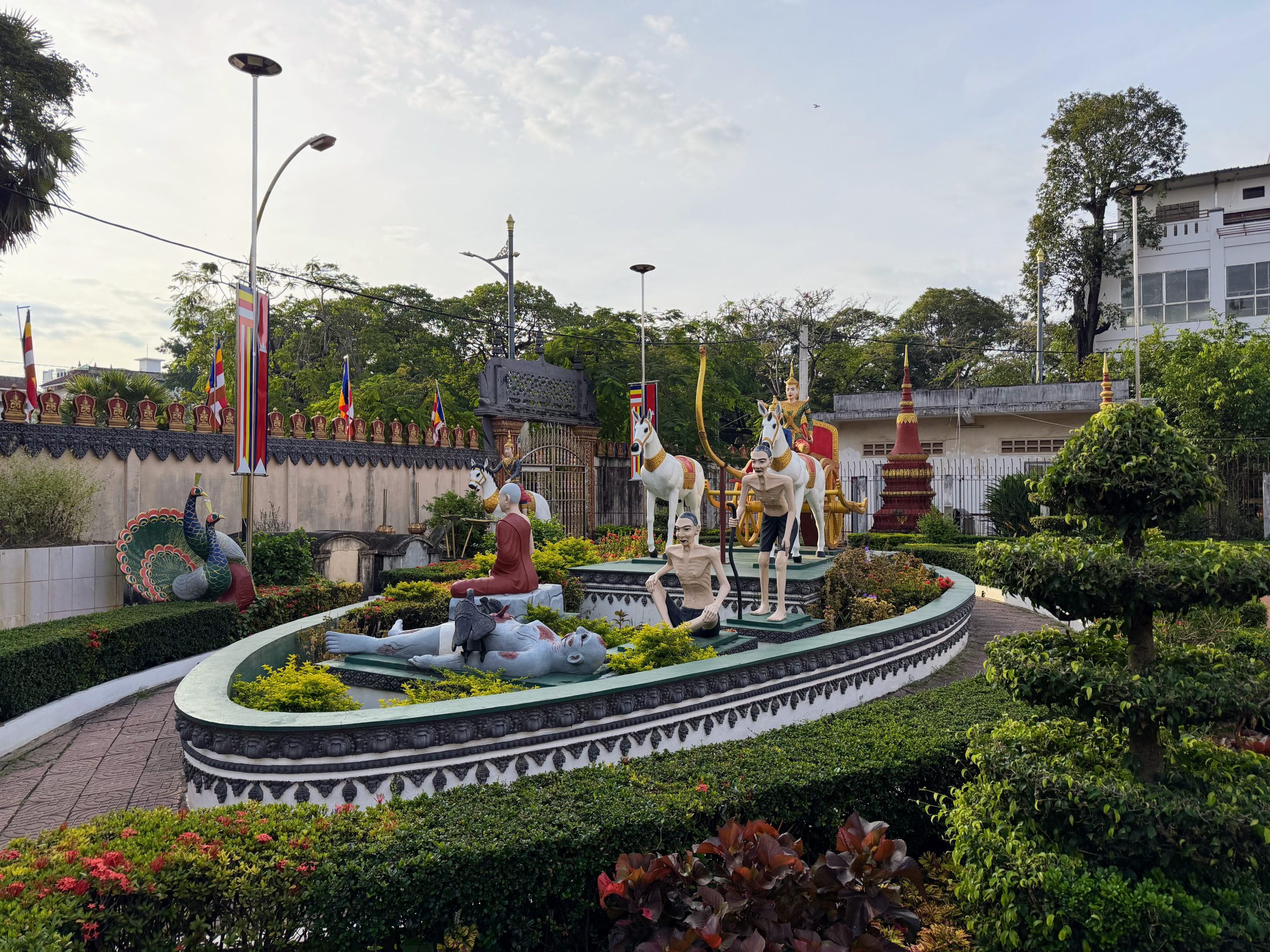
- Siem Reap Tuk-Tuk Tour: Our hotel offered a short tuk-tuk tour around Siem Reap, and it ended up being one of the more fun, low-effort ways to see the city. Riding in a tuk-tuk is an experience in itself, and we found ourselves using them multiple times to get to and from restaurants as well. The highlight of the tour was Wat Preah Prom Rath, a smaller but newer temple right in the city center. It’s not on the same scale as the Angkor temples, but it’s beautifully maintained and worth a quick stop.
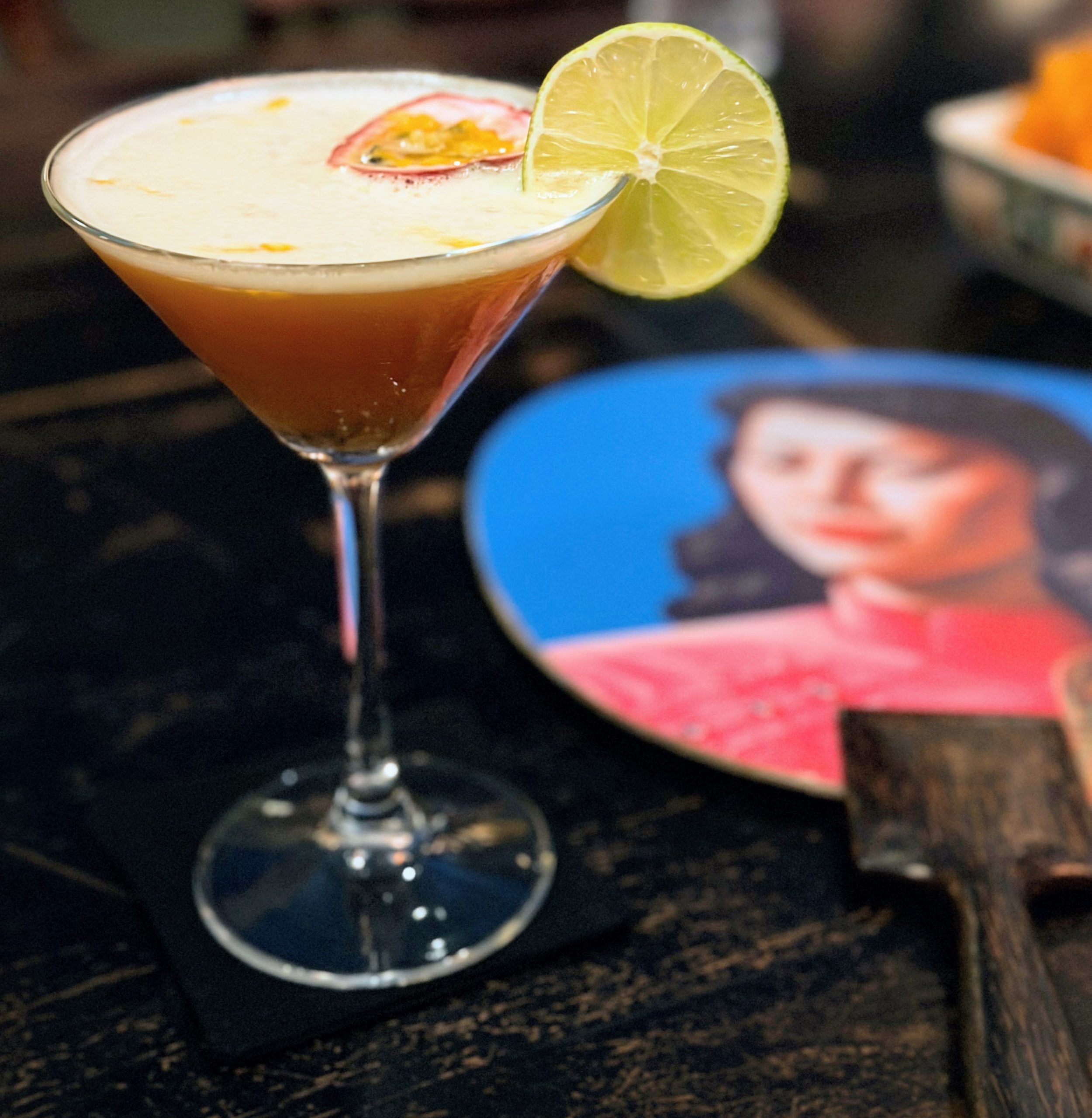
- Cocktails at Miss Wong’s: For pre-dinner drinks, Miss Wong Cocktail Bar is a great pick. It’s a popular spot with a menu that can feel almost overwhelming at first, but that’s part of the fun. Our advice: lean into the local ingredients – especially anything featuring fresh fruit. It’s a great way to try something unique, and the drinks definitely live up to the hype.
Where to Eat
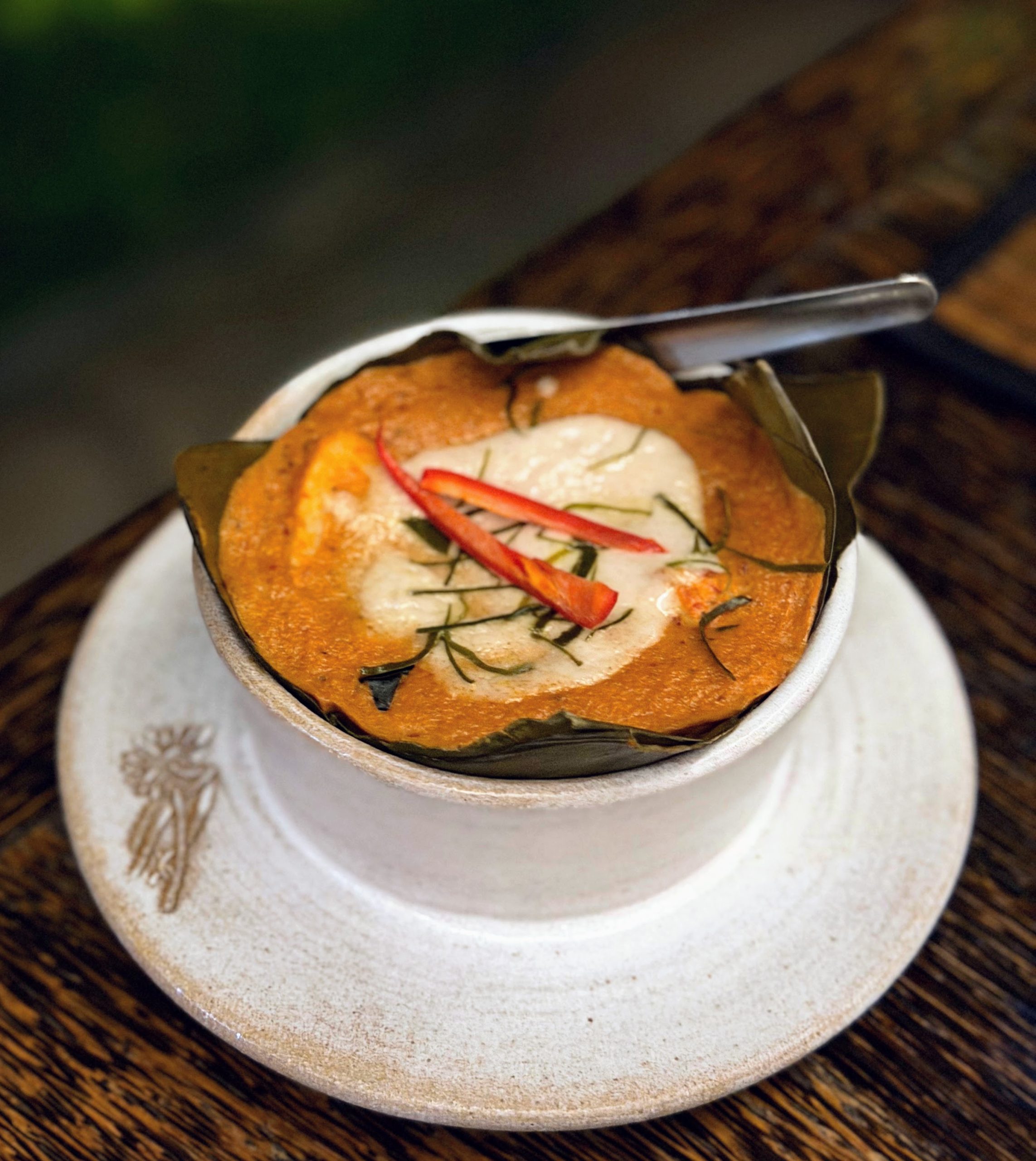
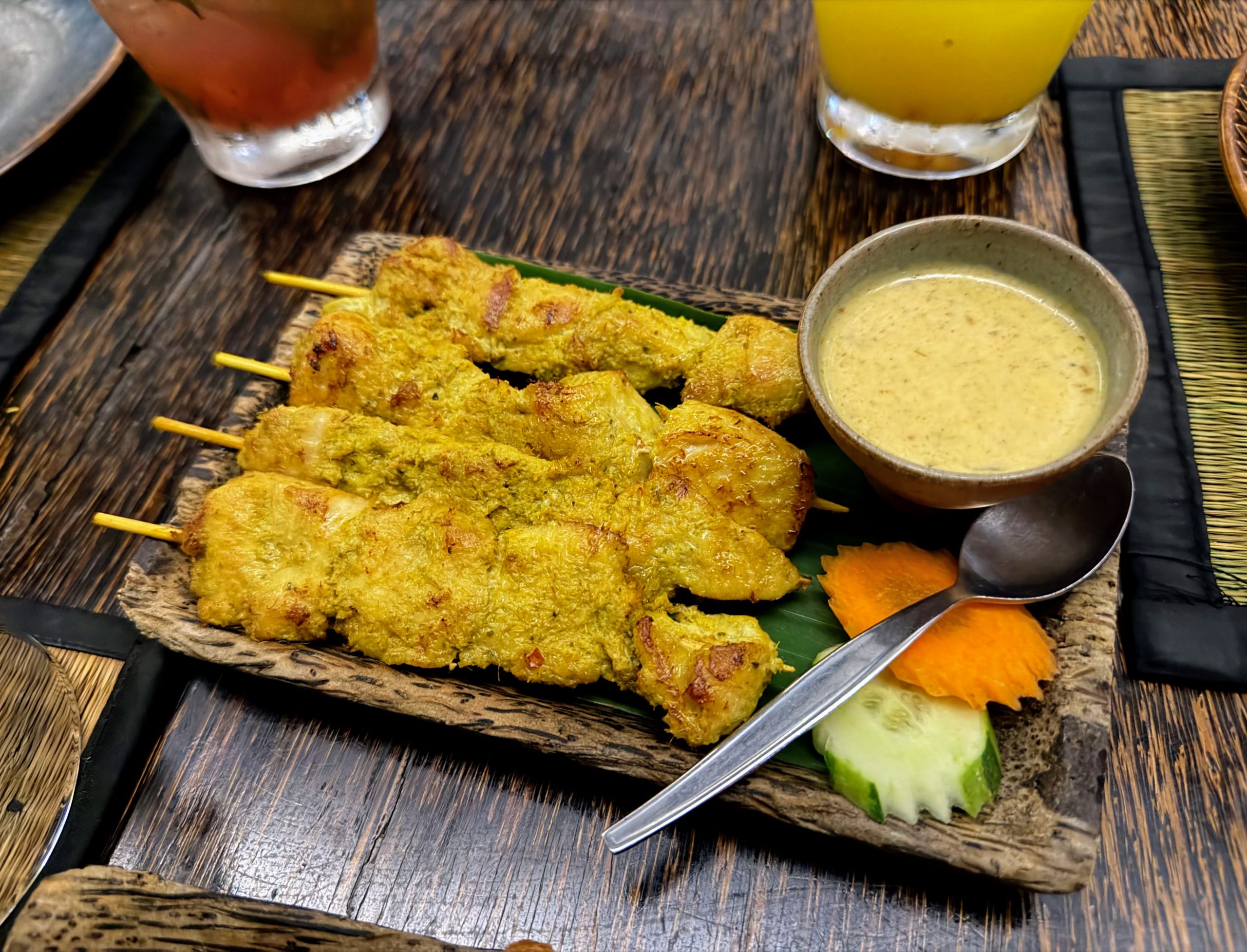
- The Sugar Palm: The Sugar Palm is one of the more well-known restaurants in town – and for good reason. It’s featured on the World’s 50 Best Discovery list, and it’s also where Gordon Ramsay famously learned to make fish amok. Not everything we ordered was a standout, but the signature fish amok absolutely lived up to the hype and is a must-order. Reservations aren’t strictly necessary, but we’d recommend making one to avoid a wait.
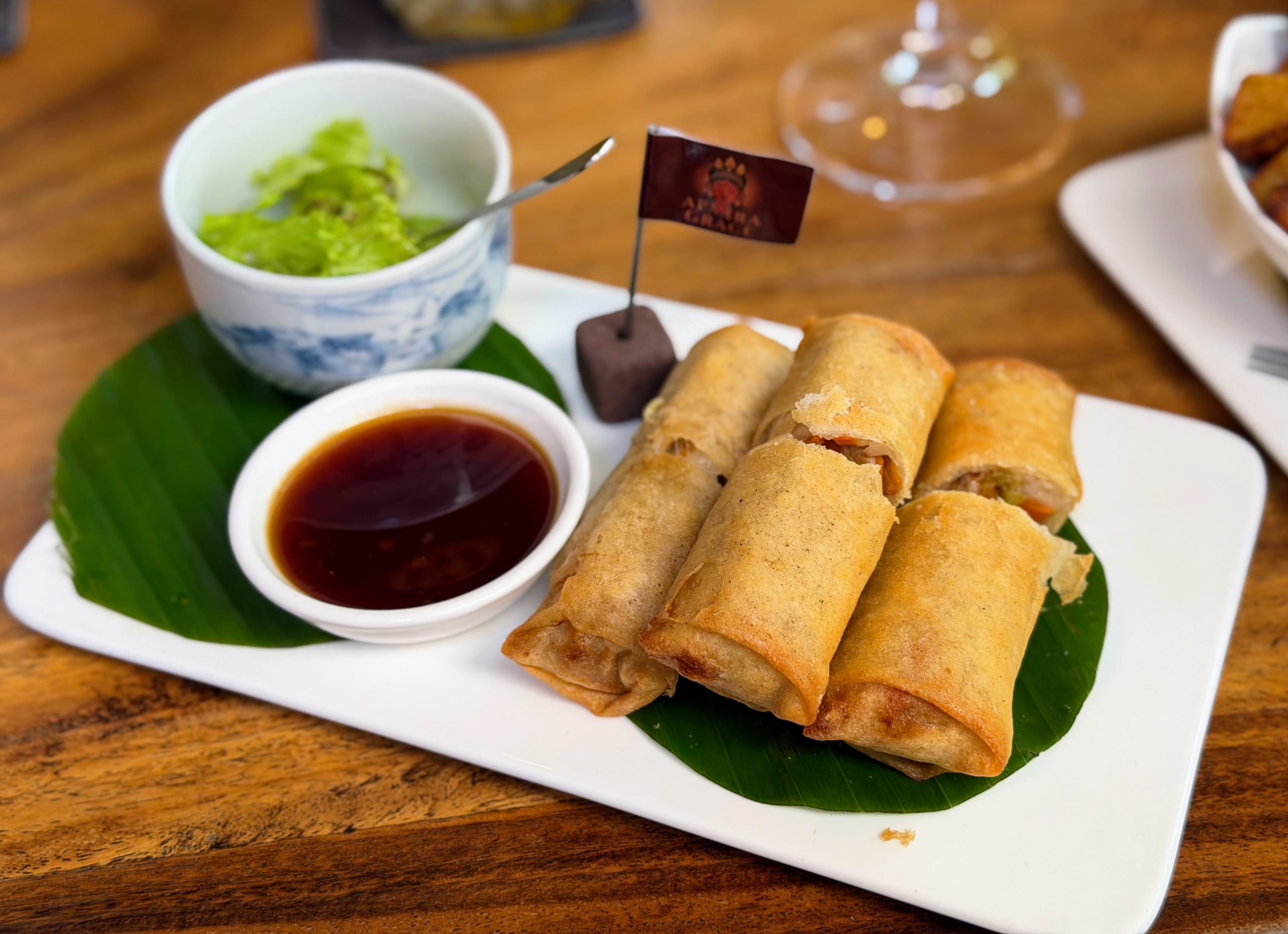
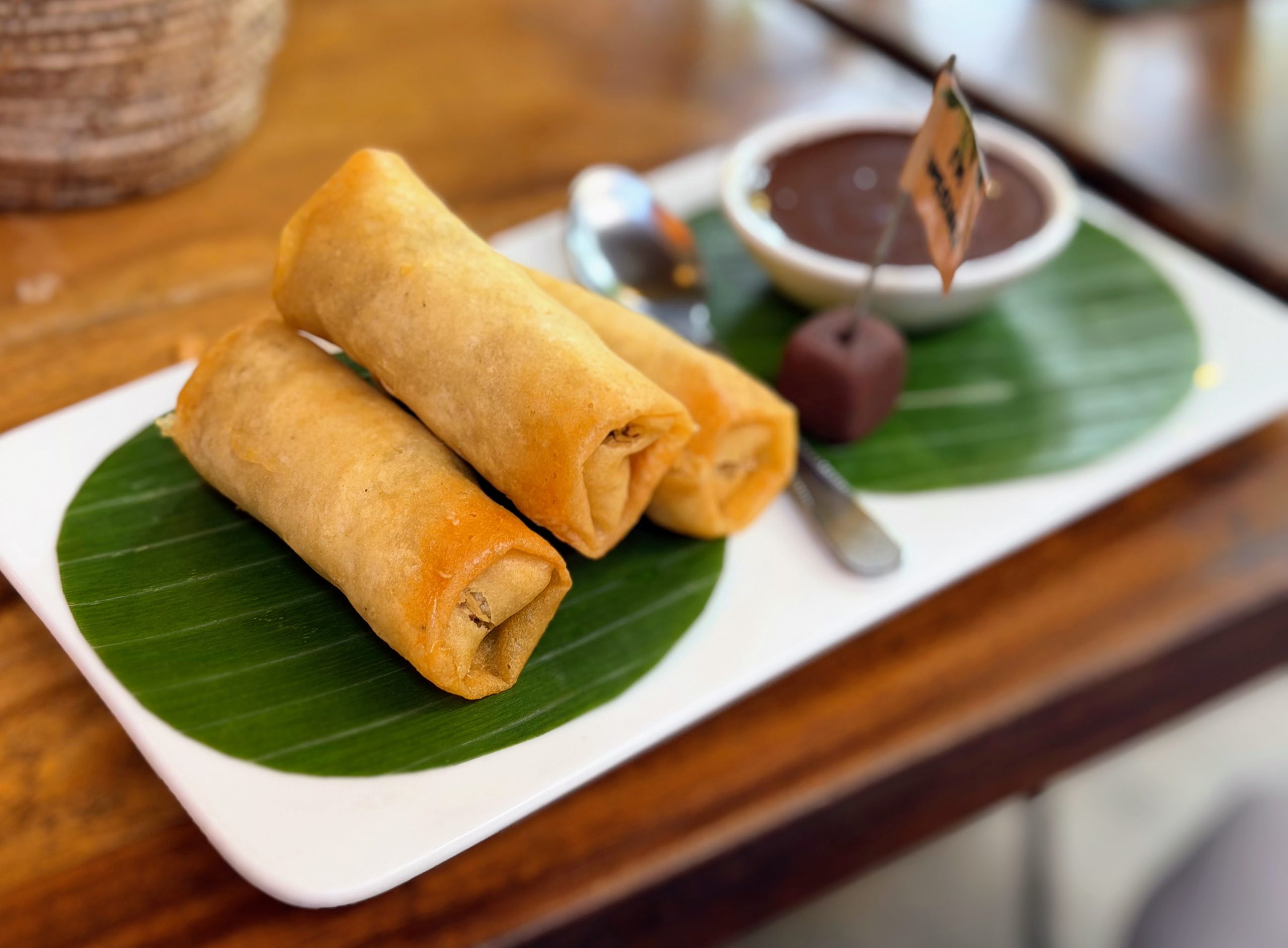
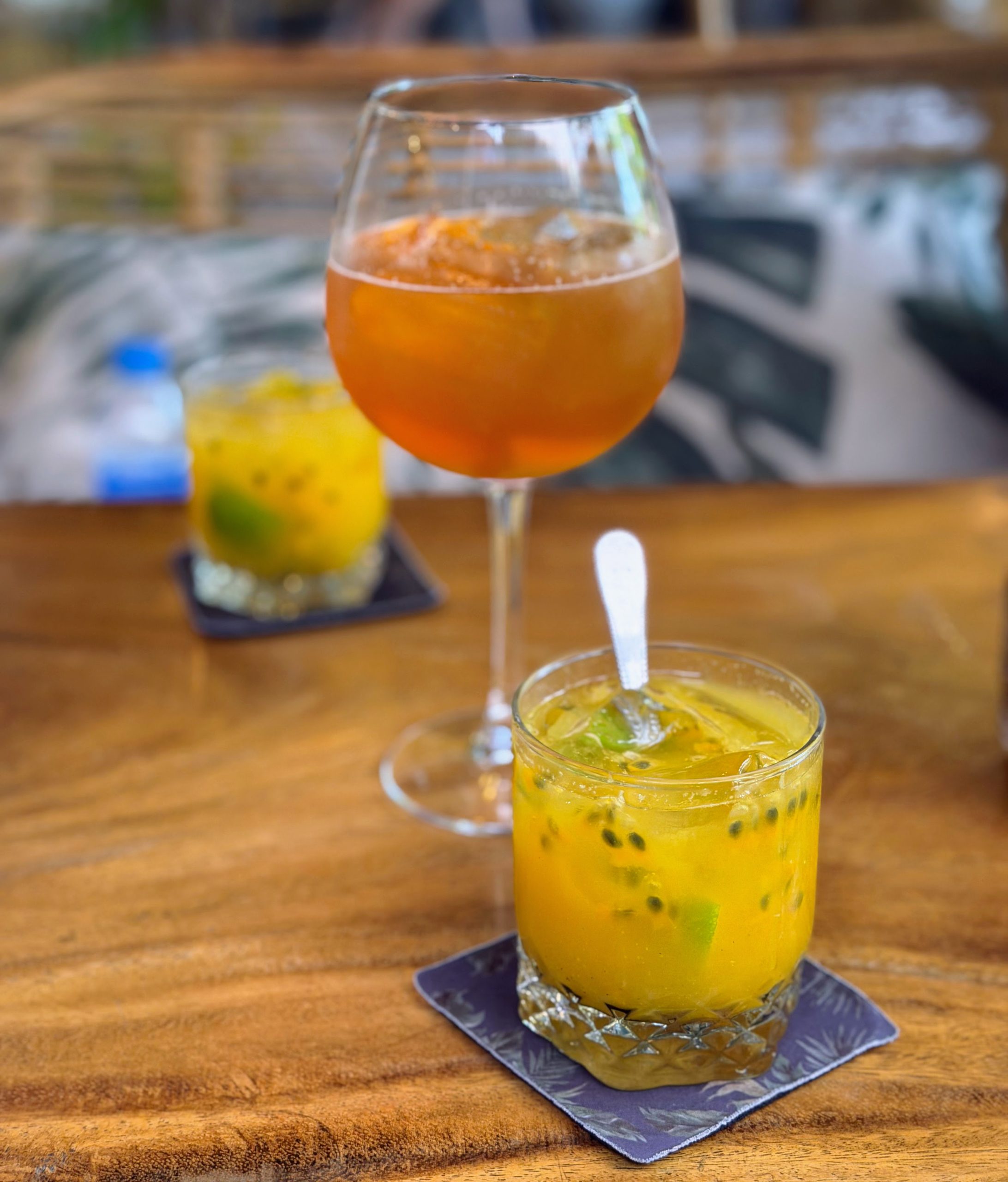
- Wild: WILD – Creative Bar & Spring Rolls Restaurant is a fun, casual spot offering a mix of Western and Cambodian flavors, with a menu centered around – you guessed it – spring rolls. There’s a huge range of options, from classic savory rolls to more creative spins like cheeseburger spring rolls. The real highlight, though, was dessert: the cookie dough spring roll was incredible and easily one of the most memorable bites of the trip. The cocktail menu is also worth exploring.
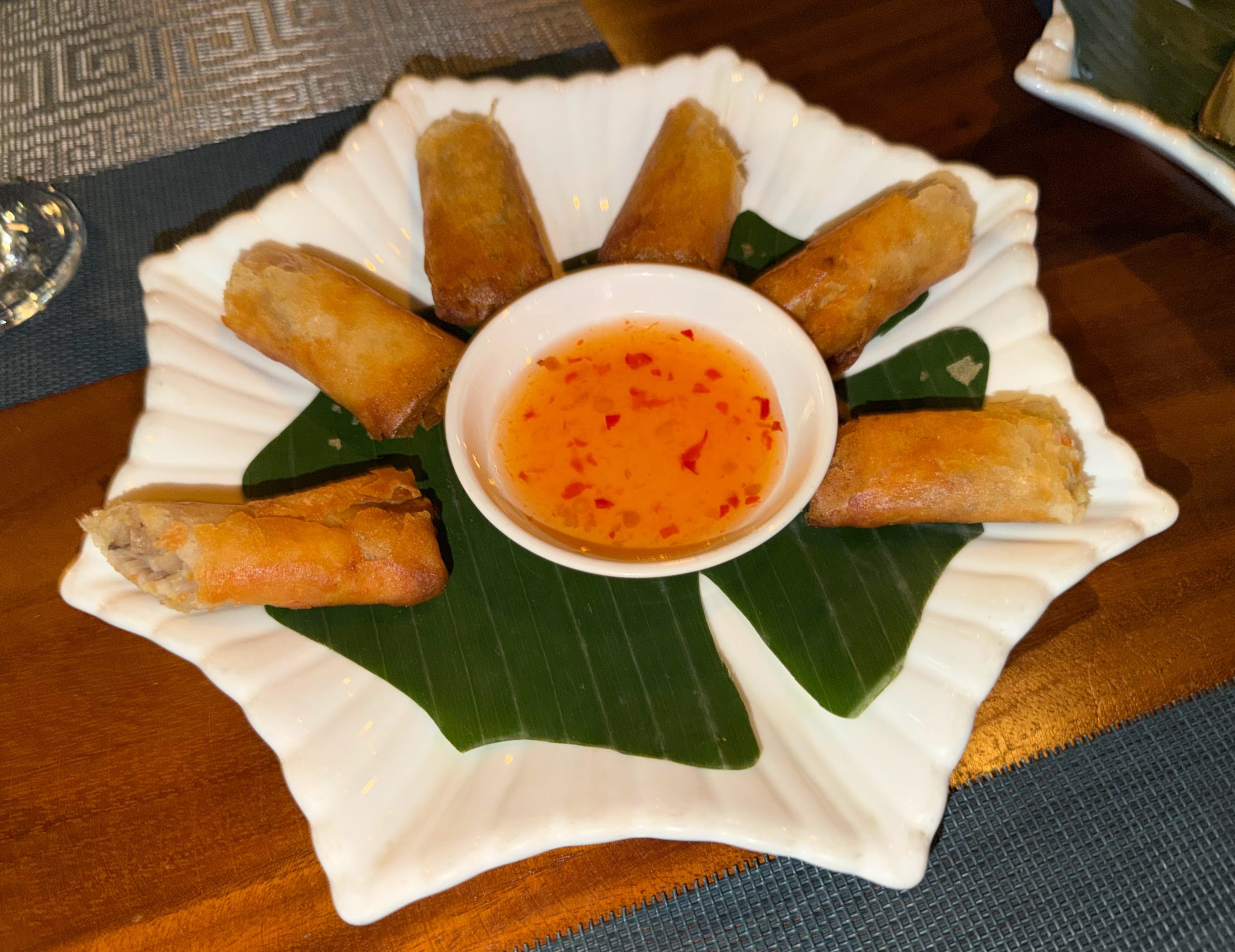
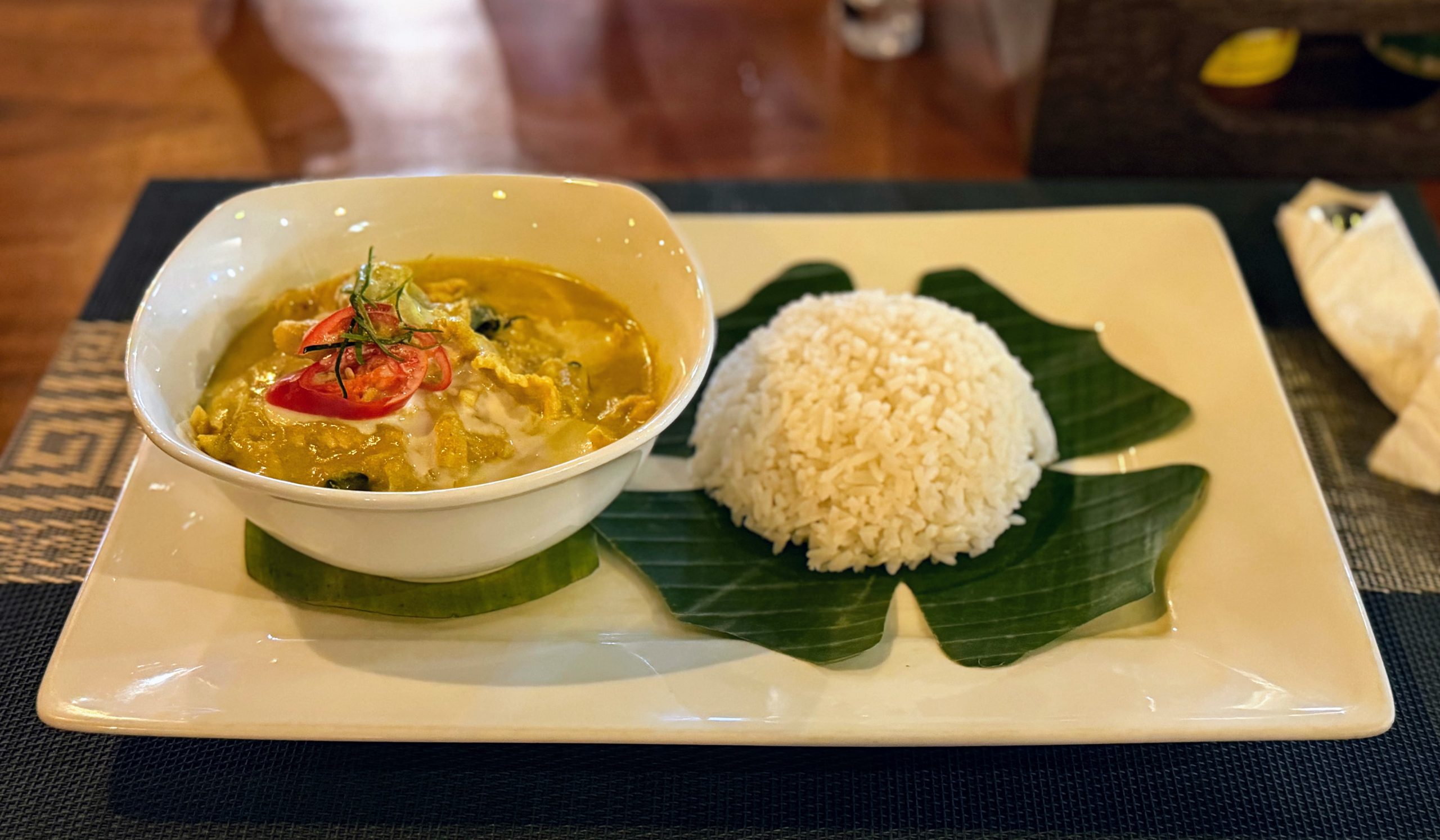
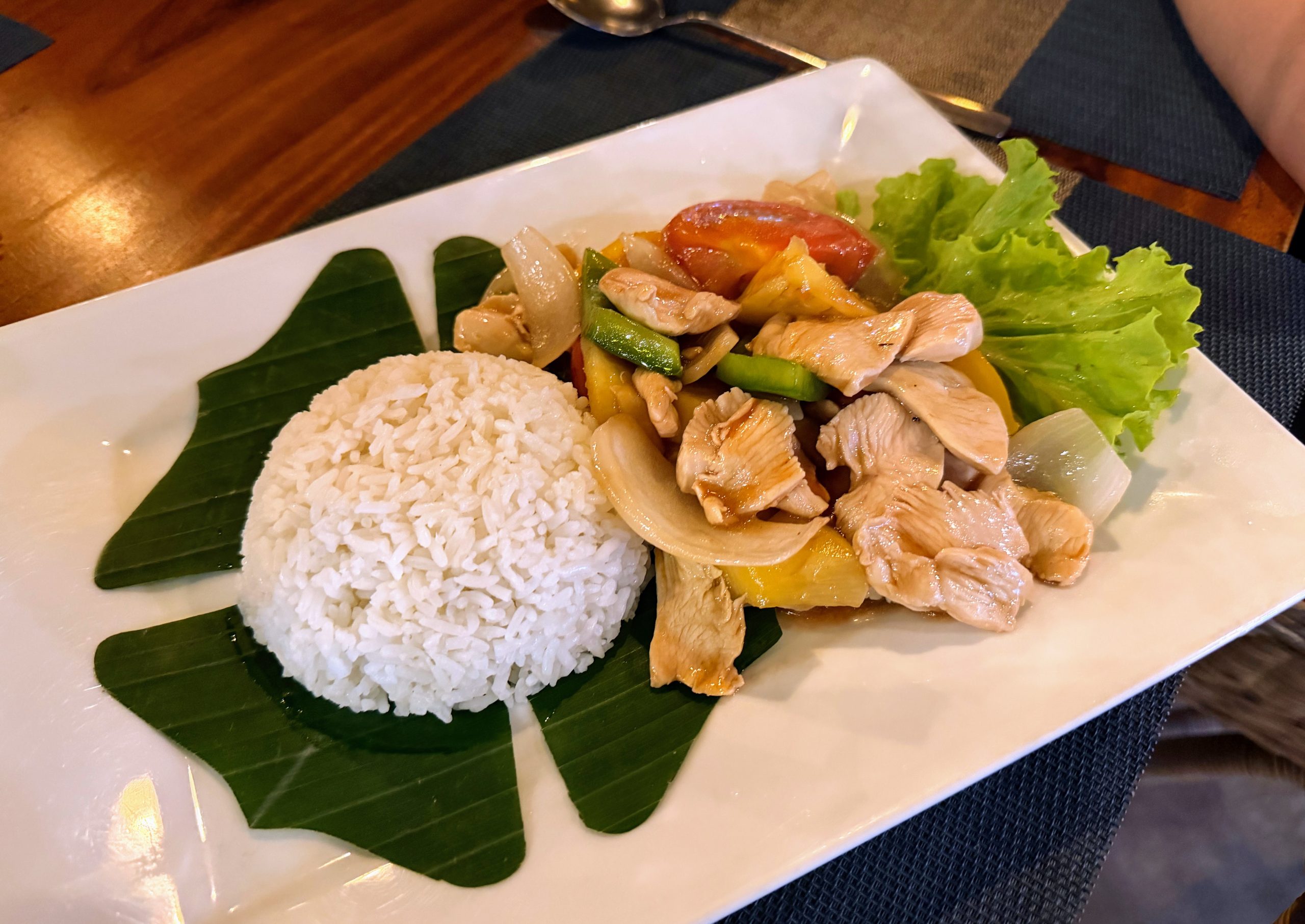
- Madam Moch Khmer Restaurant: Madam Moch Khmer Restaurant is a great budget-friendly option right in town. Like many places in Siem Reap, it has an indoor-outdoor setup that keeps things casual and lively. The standout here was the fried spring rolls – these were the best savory ones we had in Siem Reap.
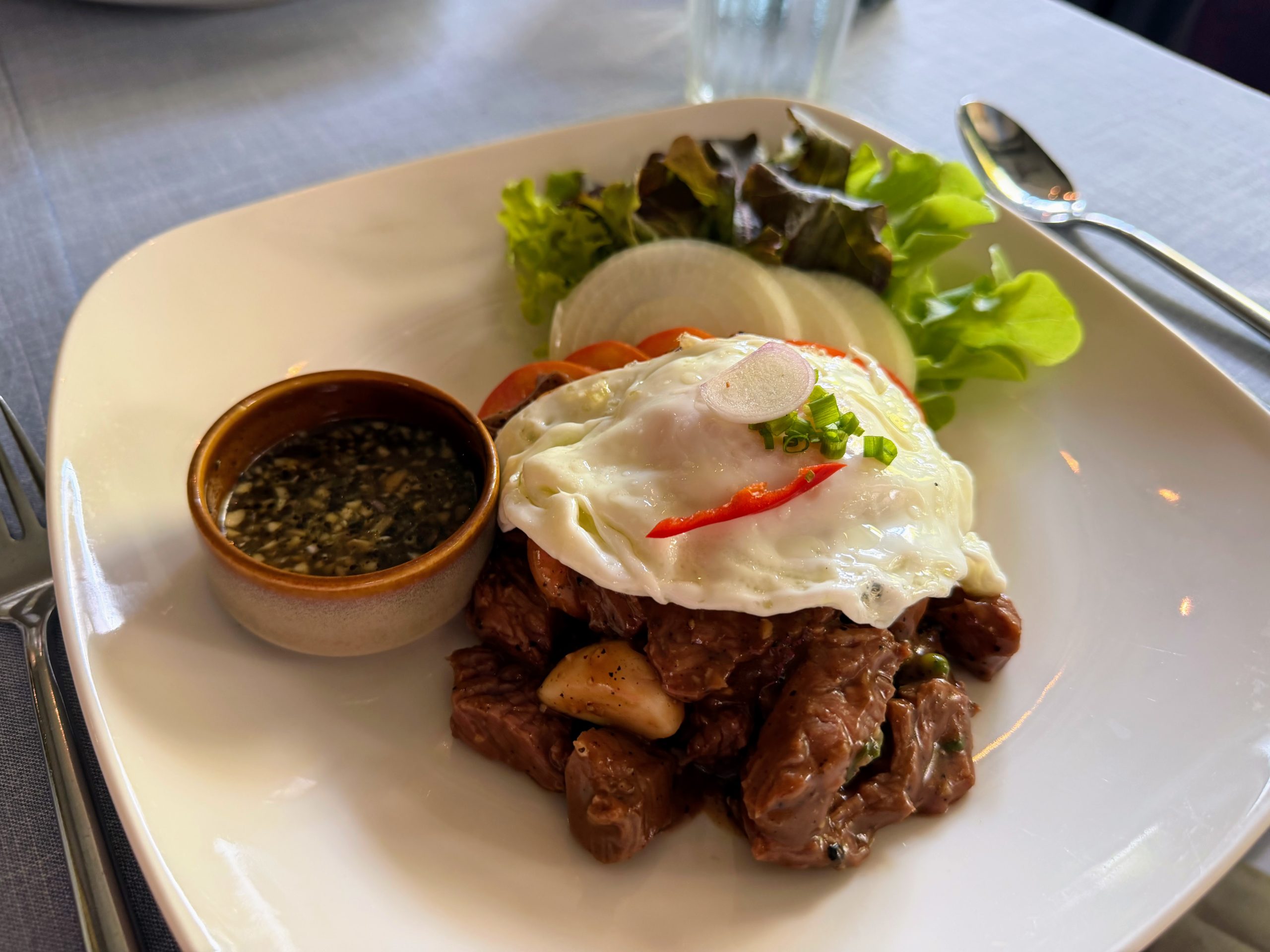
- Chanrey Tree: If you’re looking for something a bit more upscale, Chanrey Tree is a solid choice. While we personally preferred some of the cheaper, more casual spots, it was still a nice setting to try dishes like beef lok lak in a more refined environment.
- Temple of Cacao: Temple of Cacao is primarily a chocolate and dessert shop, but it’s absolutely worth a stop – especially in the heat. Their iced chocolate was exactly what we needed on a hot Siem Reap afternoon and really hit the spot.
Other Tips & Tricks
- Carry Cash: Cash is king in Cambodia. Many restaurants and temple-related services only accept cash, and tipping is appreciated for most tourist activities. Even places that do take credit cards will often tack on a small fee. It’s worth keeping a decent amount on hand at all times. The good news: there are plenty of legitimate currency exchange shops around Siem Reap offering solid rates, so it’s easy to top up when needed.
- Getting Around: Walking is manageable within central Siem Reap, but you’ll likely want rides for longer distances – especially when heading to the temples. The Grab app is a must-download. It’s cheap, reliable, and by far the easiest way to get around. You can choose between cars and tuk-tuks depending on your budget and how immersive you want the experience to feel.
- Language Barrier: For the most part, getting around without speaking Khmer is easy. At tourist attractions and restaurants, English is widely spoken, and we had no issues communicating throughout the trip. You’d have to go pretty far off the main tourist path before running into any real language barriers.
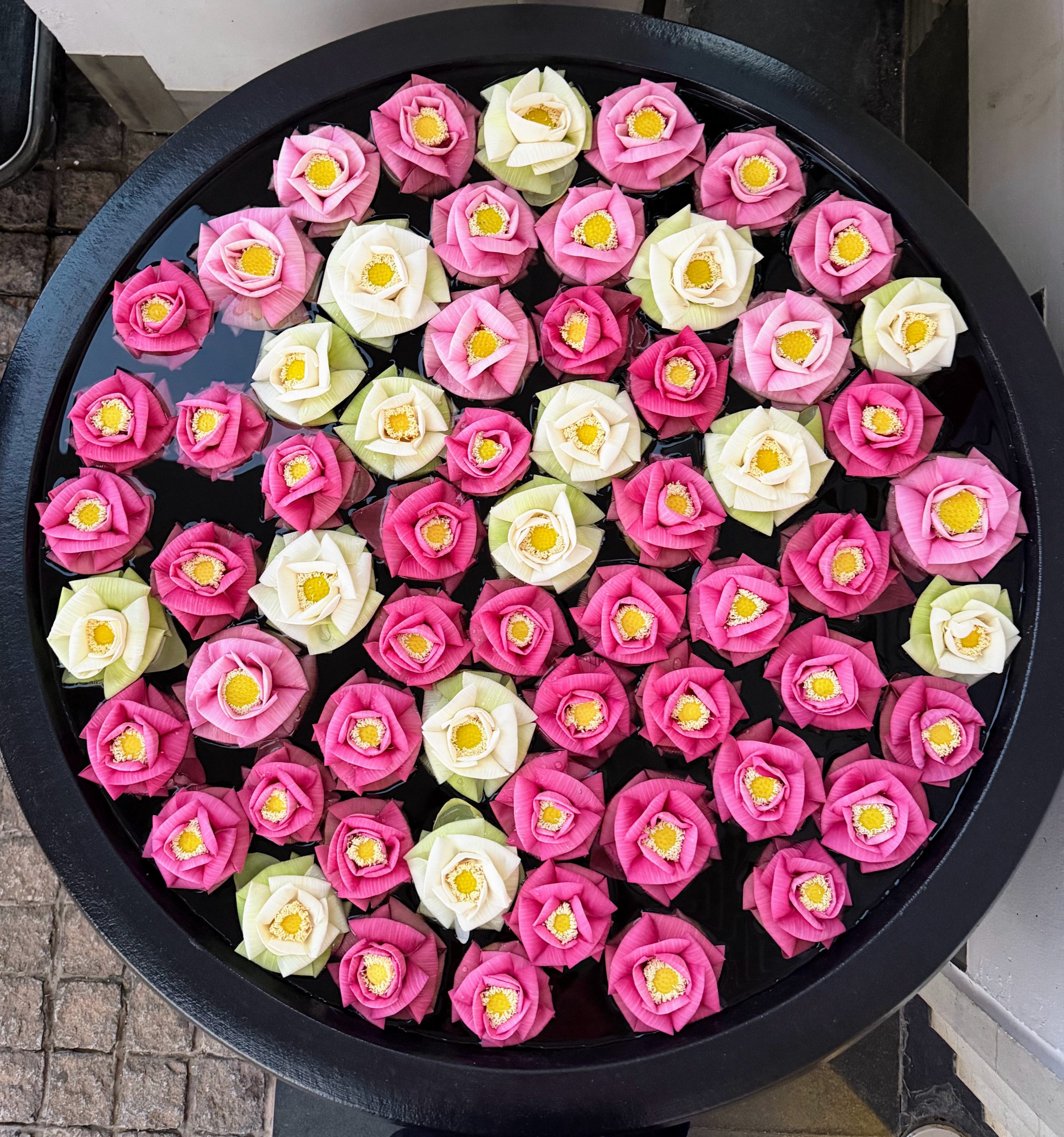
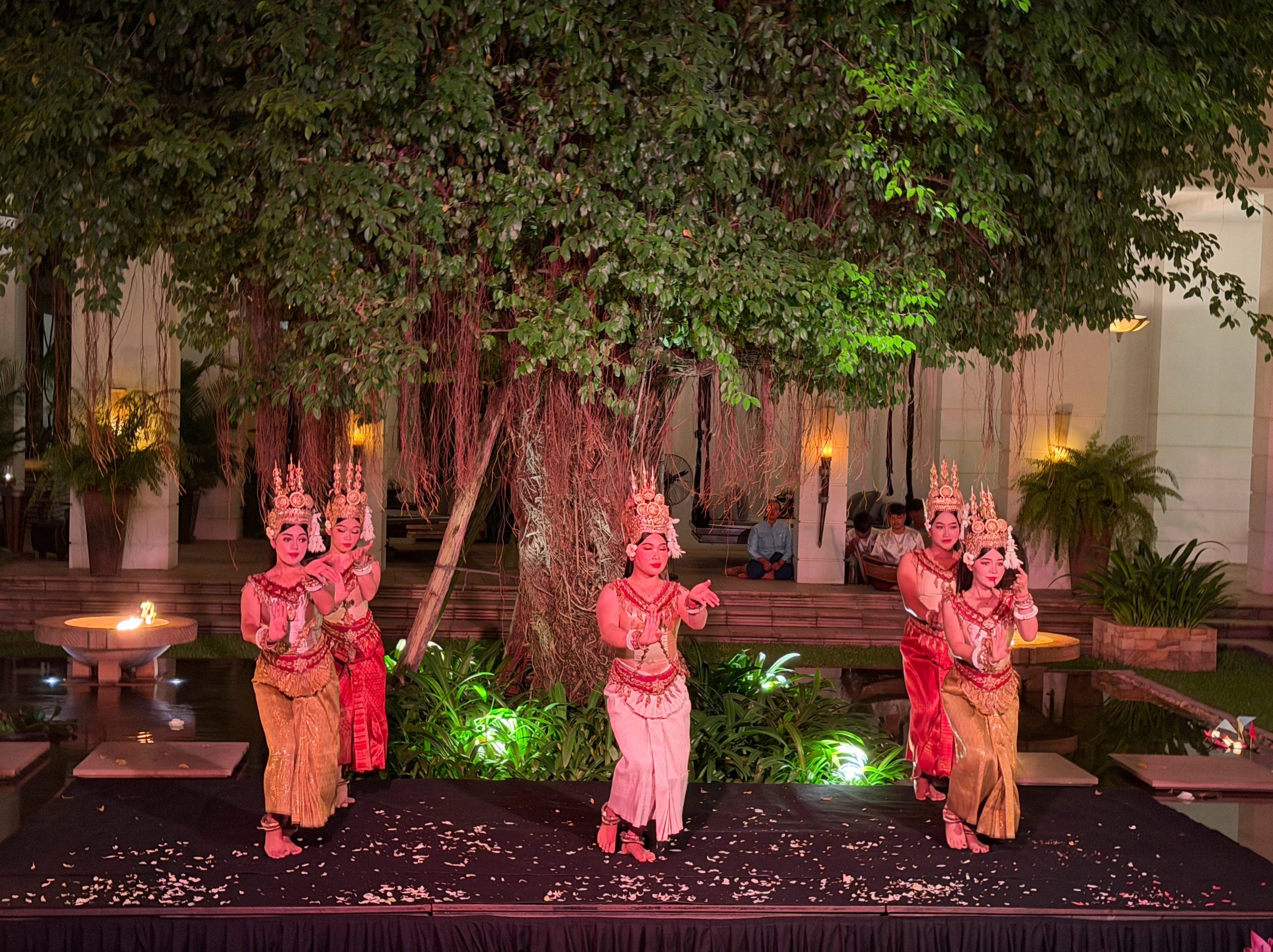
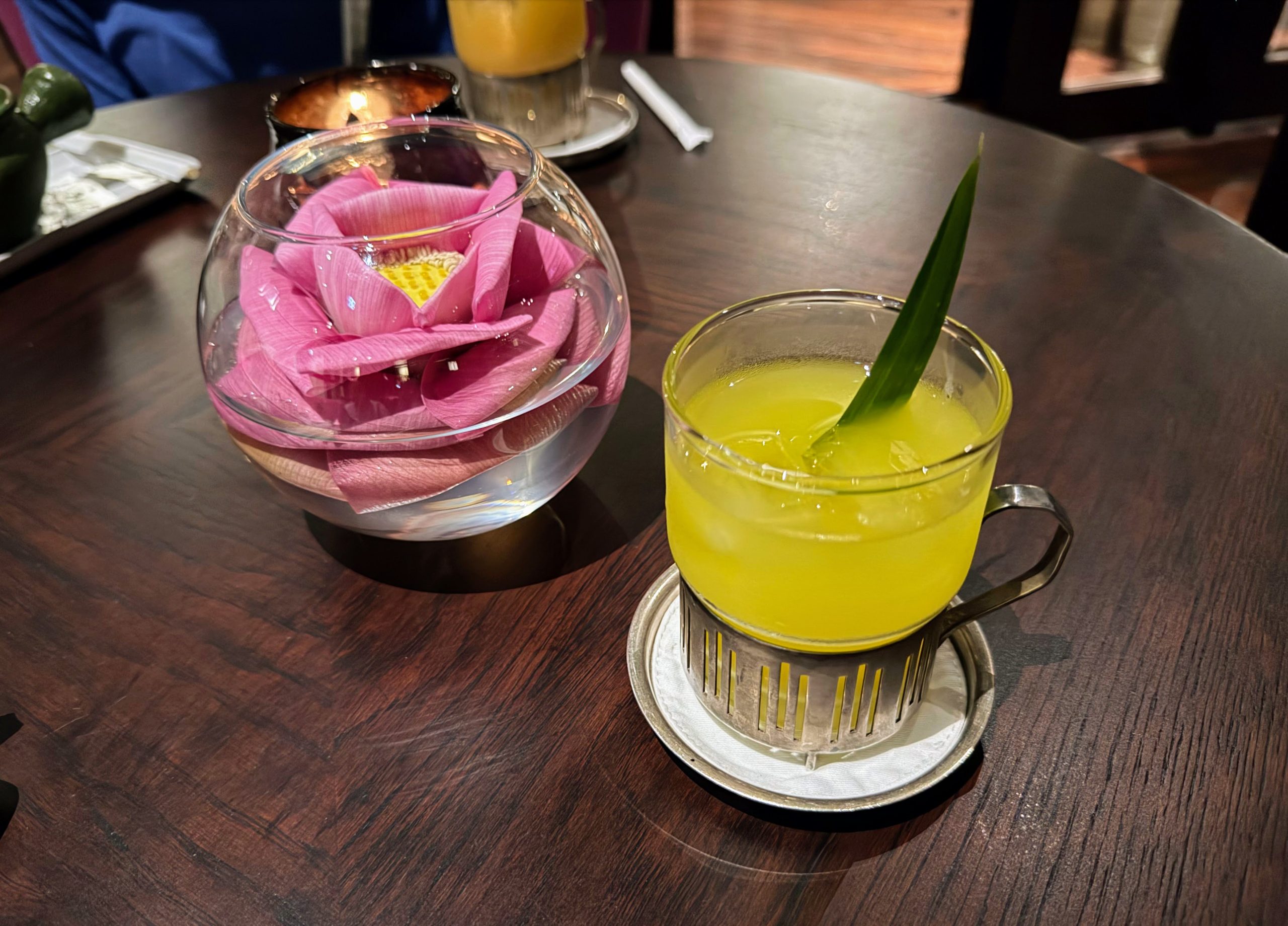
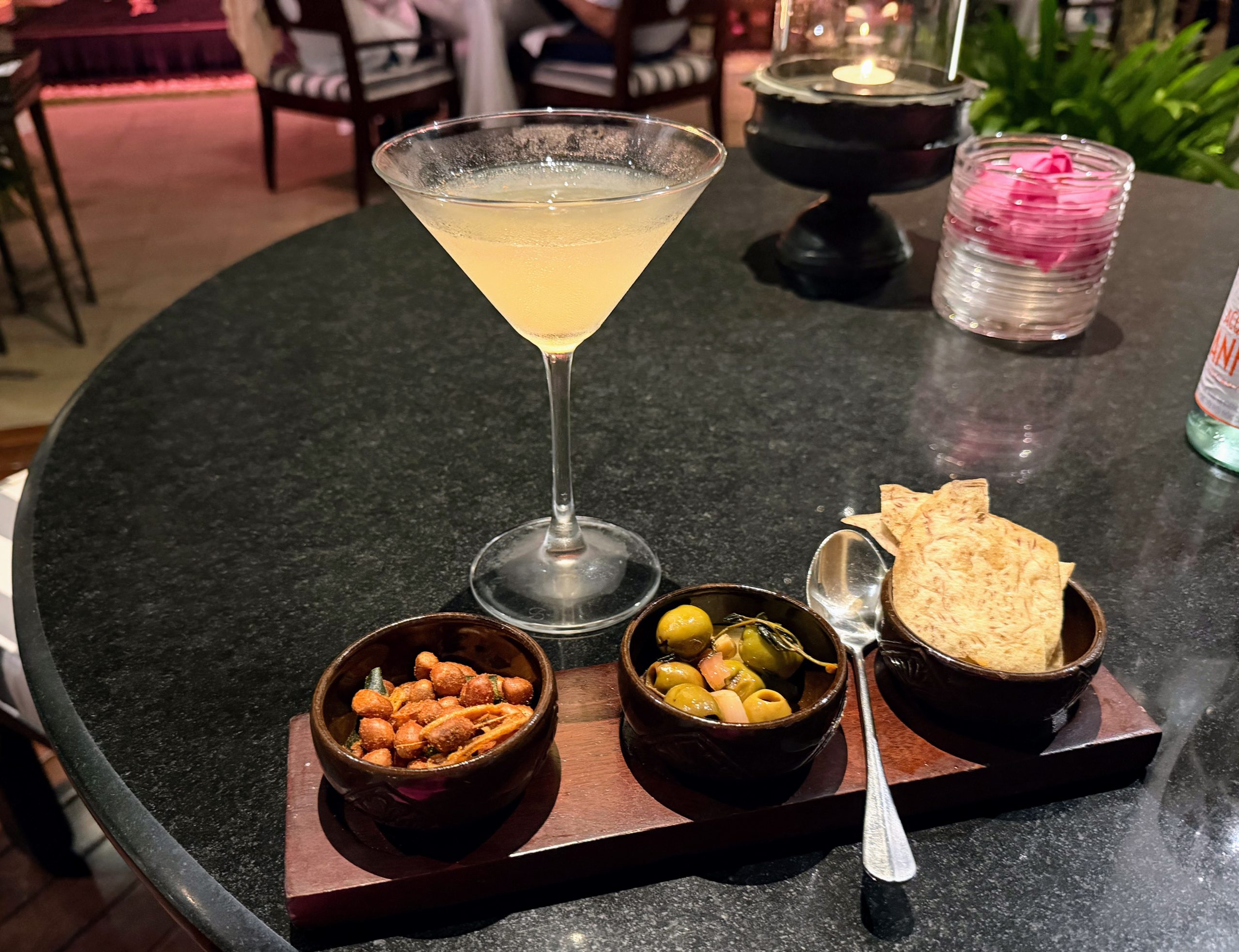
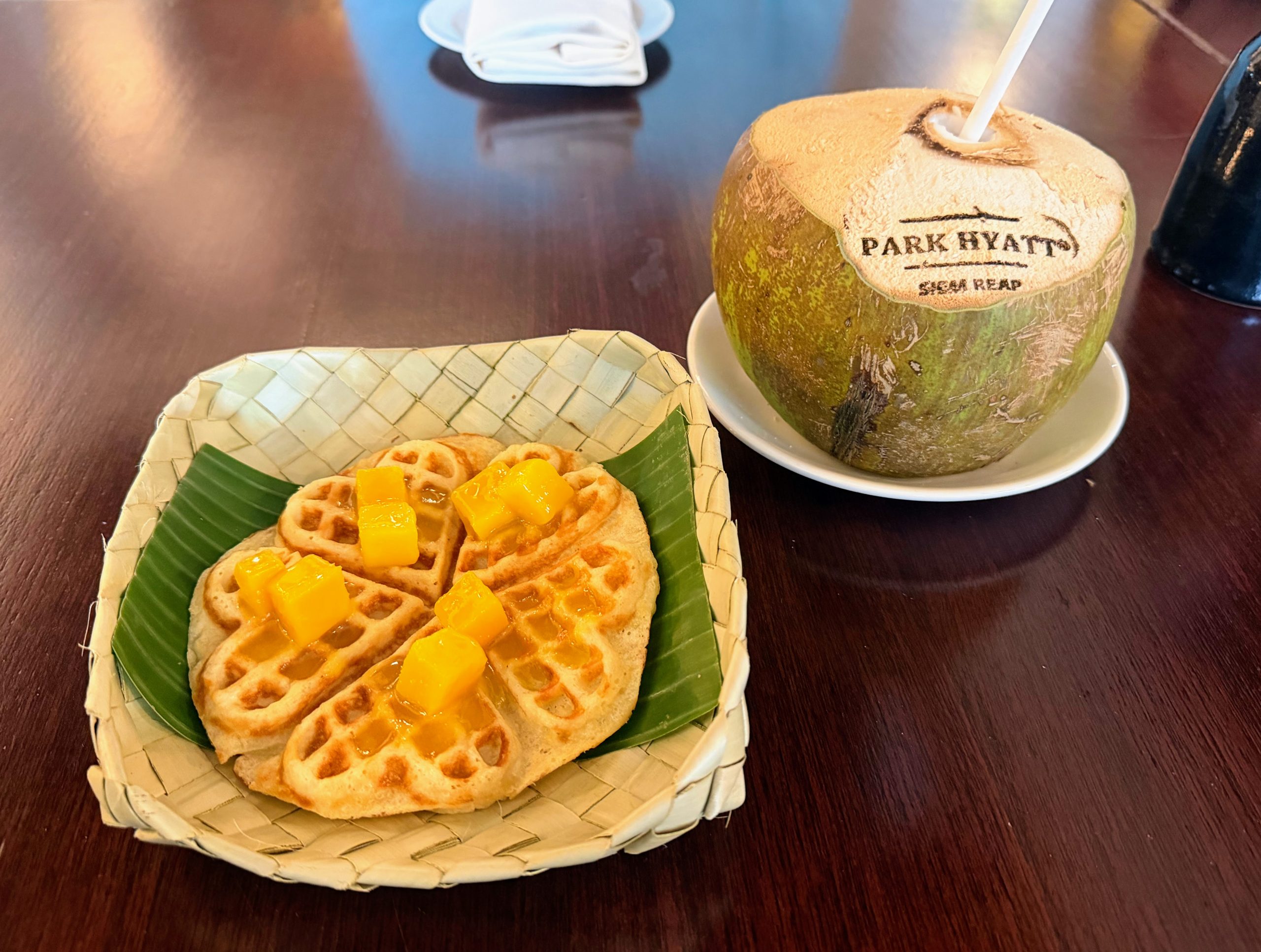
- Where to Stay: We decided to use hotel points and splurge on Park Hyatt Siem Reap, and it was a great call. The property is beautiful, the service was outstanding, and the rooms were incredibly comfortable. They also host cultural performances on-site in the evenings, which pair nicely with the bar’s happy hour, as well as morning flower folding classes. Breakfast was another highlight – definitely worth taking advantage of. The only downside was that the pools weren’t heated, so the water felt a bit too cold to fully enjoy. Even if you stay elsewhere, we’d recommend choosing a hotel in this general area. Being within walking distance of restaurants and having easy access to tuk-tuks makes a big difference in overall convenience.
Happy traveling!
Kitrina & Jordan