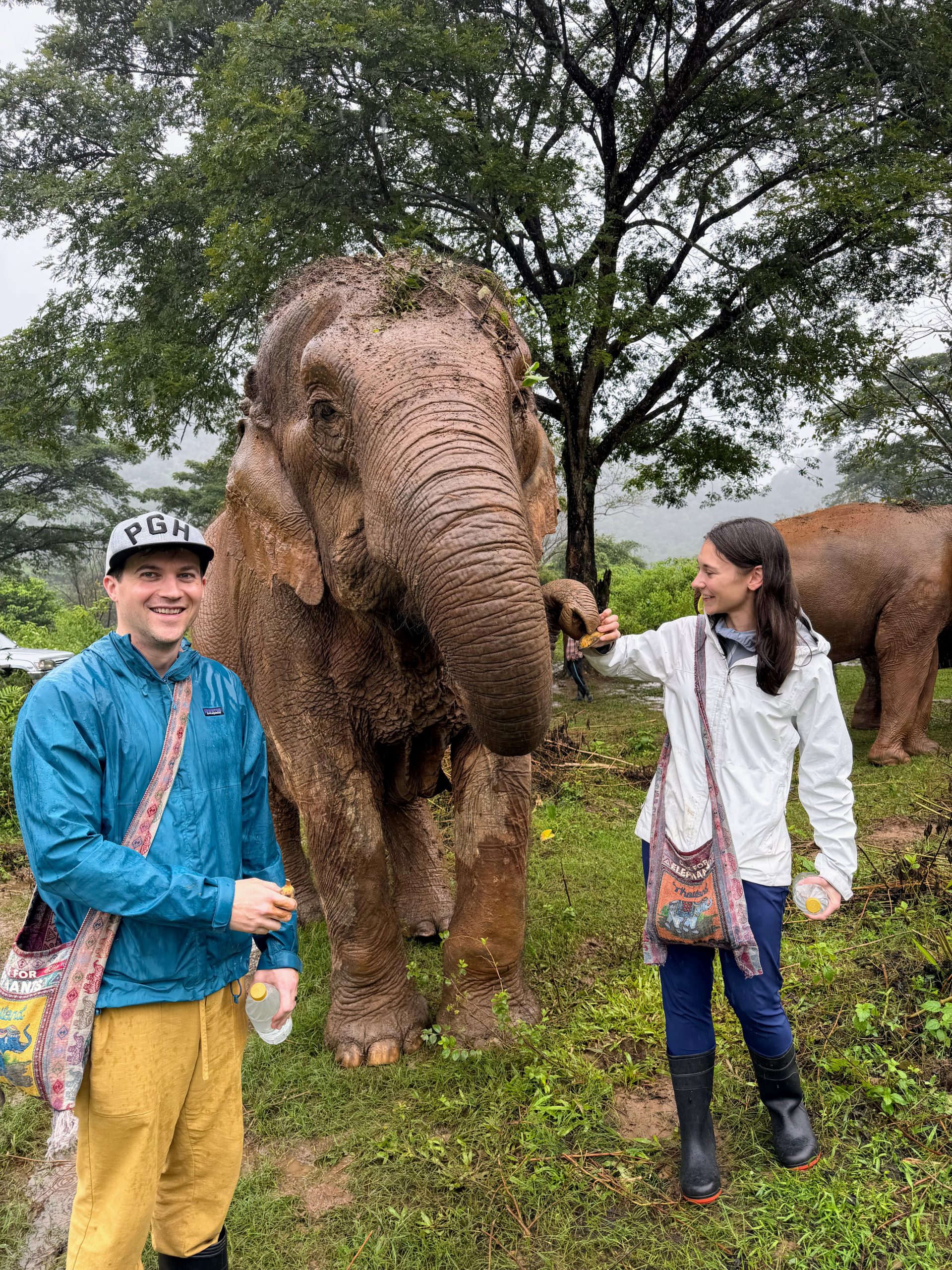
Chiang Mai blends beautiful temples, vibrant markets, and deeply rooted food traditions with a slower, more soulful pace than Bangkok. Over three days, we explored an ethical elephant sanctuary, temple-lined streets, unforgettable Northern Thai meals, and everyday moments that made this city feel welcoming, meaningful, and easy to love.
Elephant Nature Park
We love animals, so choosing an elephant sanctuary was something we took seriously. We did extensive research ahead of time to make sure we selected an experience that was truly ethical—one that prioritizes the elephants’ wellbeing and avoids any unnatural or inhumane practices. We ultimately chose Elephant Nature Park, located north of Chiang Mai, and specifically booked their Care for Elephants full-day experience. It ended up being one of the most meaningful days of our entire trip.
The day began with a convenient pickup from our Airbnb in a comfortable, air-conditioned van. After about a 1.5-hour drive, we arrived at the Care for Elephants farm, which is affiliated with Elephant Nature Park. We were given an overview of the day, changed into the mud boots provided, and then climbed into the back of a truck for a short ride to where the elephants were spending their morning.
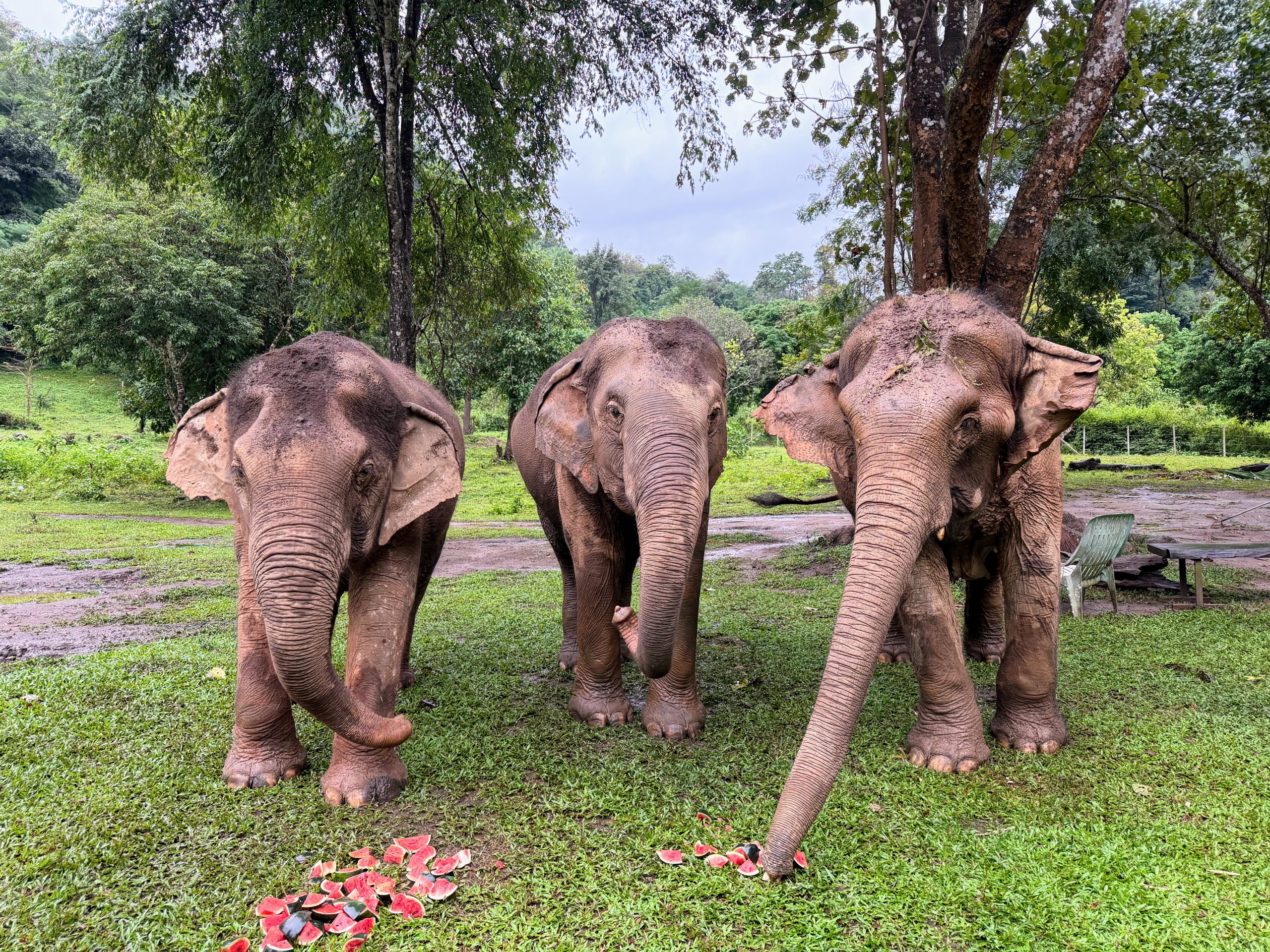
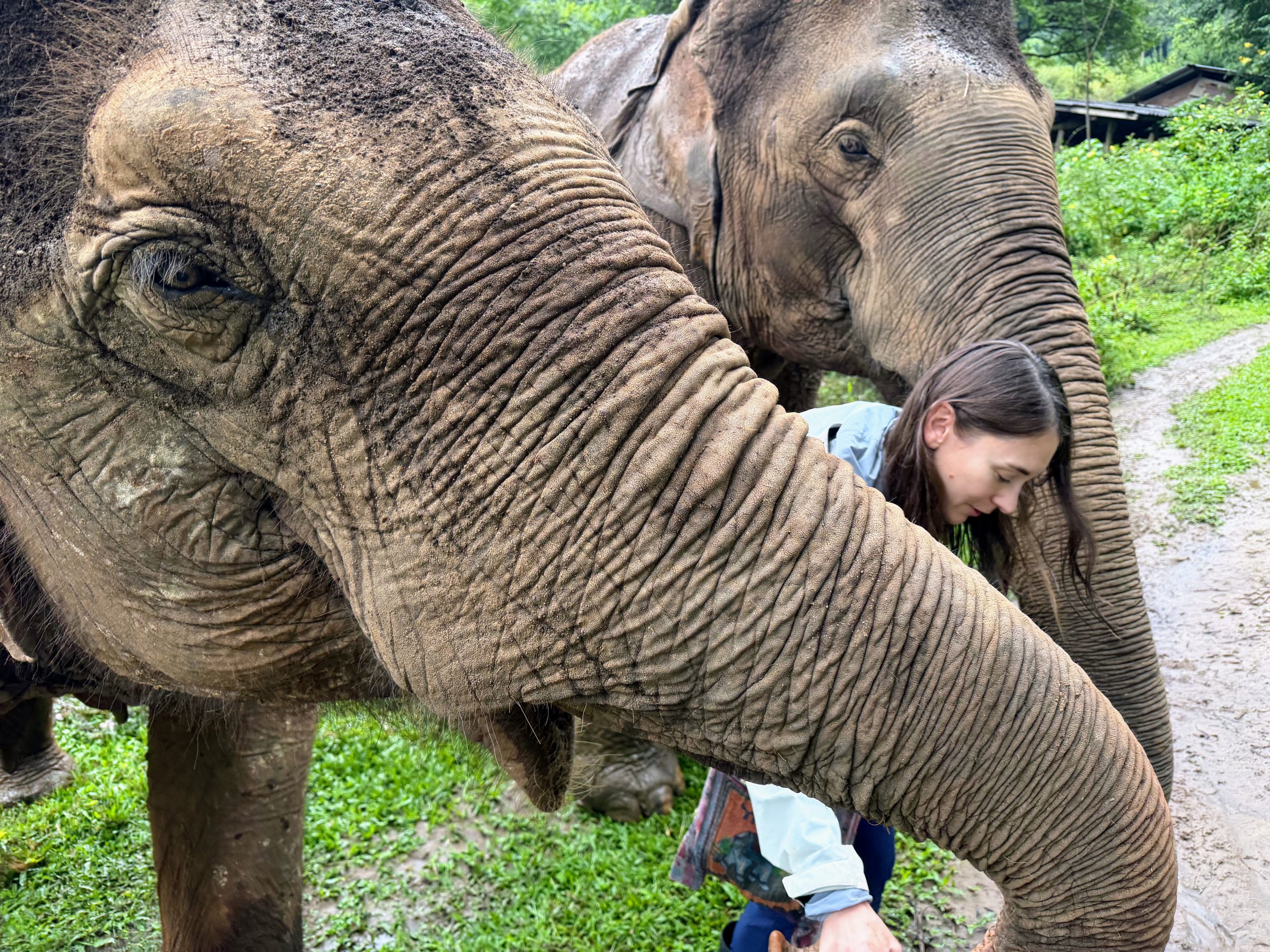
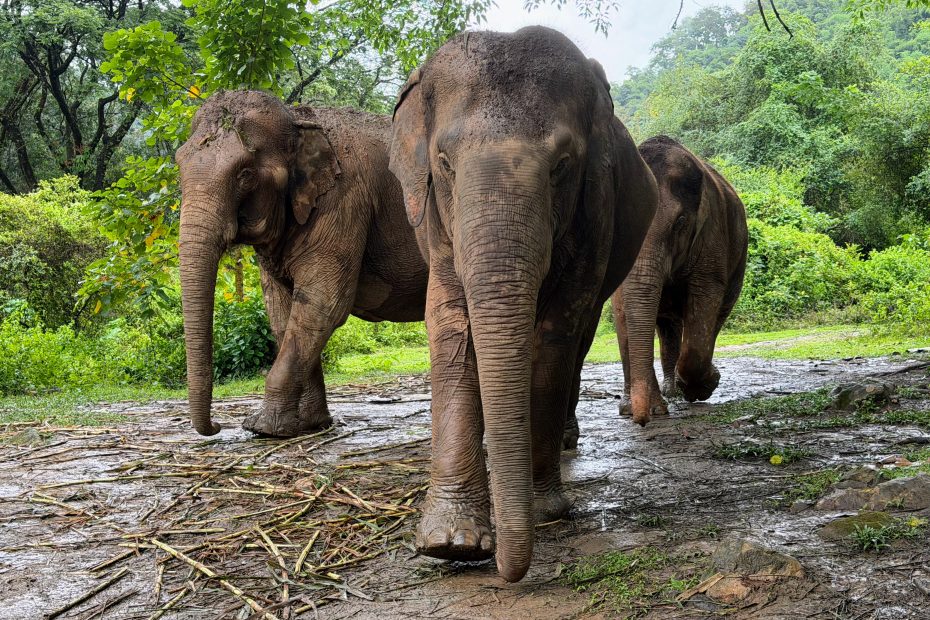
What followed was truly special. The farm is home to just three adult elephants, and our small group of eight people spent a large portion of the day simply being with them. We walked alongside them through the jungle, feeding them bananas as we went. We helped prepare rice balls, offered them whole watermelons (they eat a lot), and mostly just observed them doing elephant things at their own pace. There was no riding, no bathing, and no forced interaction—no touching beyond incidental contact while feeding, or the occasional gentle nudge from a trunk asking for more food. At one point, one elephant decided to go for a swim, and we watched quietly from land as she enjoyed herself. Everything about the day felt calm, respectful, and entirely on the elephants’ terms. As an added bonus, a few friendly dogs tagged along during our walks, which somehow made the experience even more perfect.
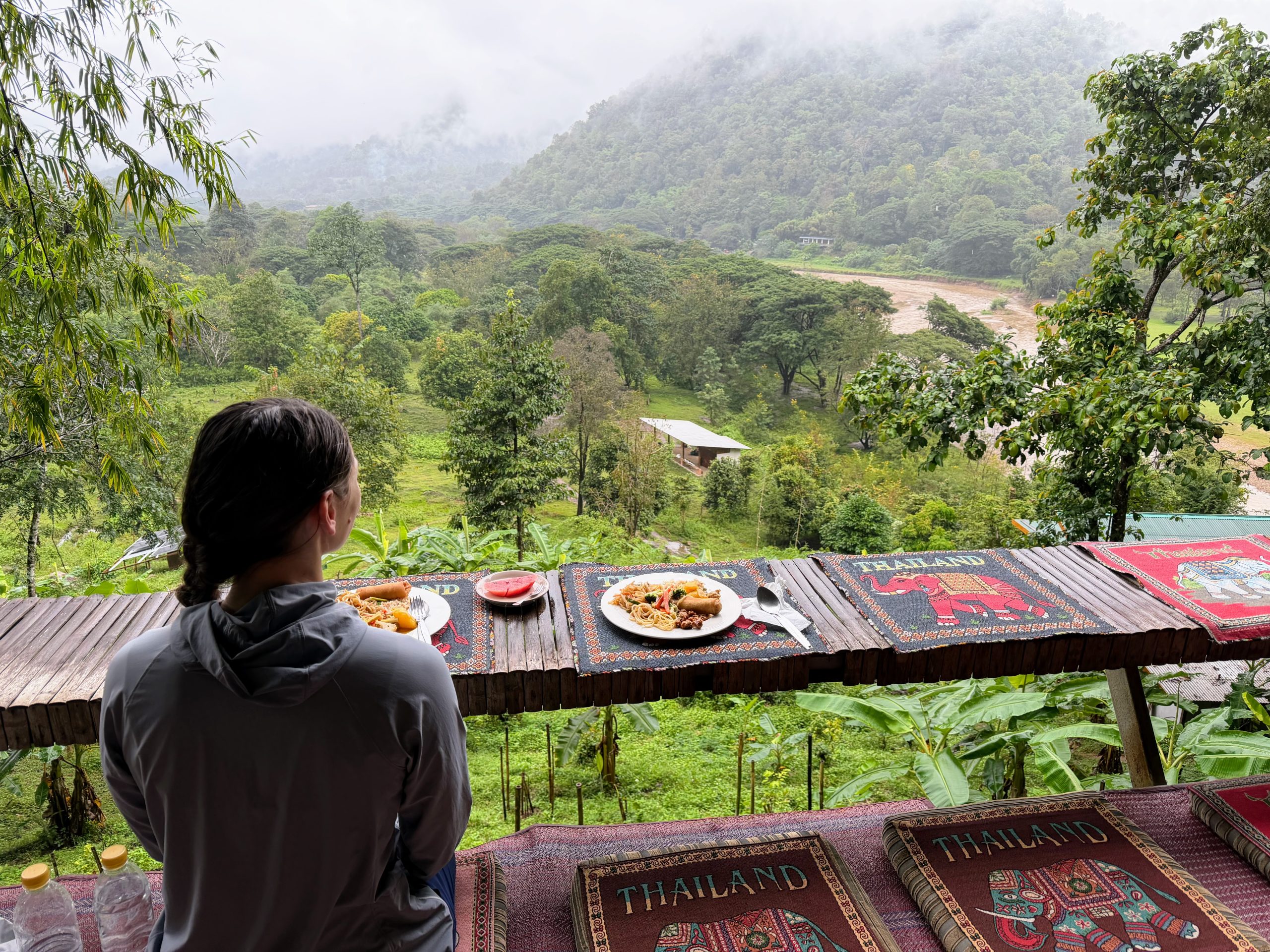
After our time with the elephants, we sat down to a delicious vegan lunch in a covered dining area overlooking the farm. It was essentially all-you-can-eat, and we happily took advantage. One small note: keep an eye out for leeches—especially during the rainy season—as they’re fairly common here and throughout the day.
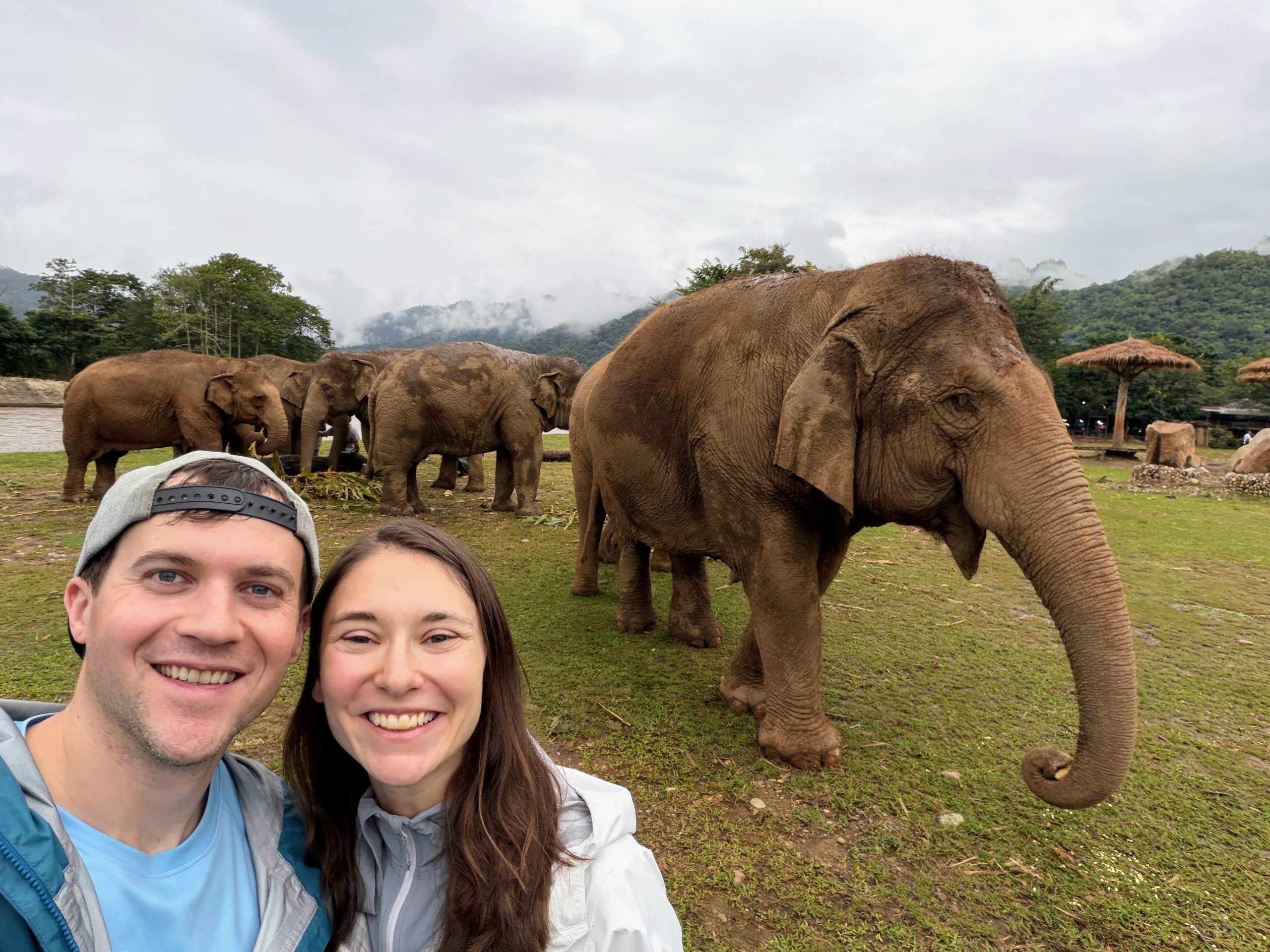
In the afternoon, we headed by van to the main Elephant Nature Park. While the experience was very different from the intimate setting of the farm, it still felt deeply ethical and moving. Instead of three elephants, there were many more, most staying close to their family groups and spending time within their packs. Many of their rescue stories are heartbreaking—these sanctuaries exist because elephants need saving in the first place, often after enduring the brutal “breaking spirit” process used in logging and riding industries. Still, witnessing the bond between the elephants and the park’s founder was incredibly powerful. At one point, about ten elephants gathered around her as she sat on a log singing, with one repeatedly reaching out to wrap her in its trunk.
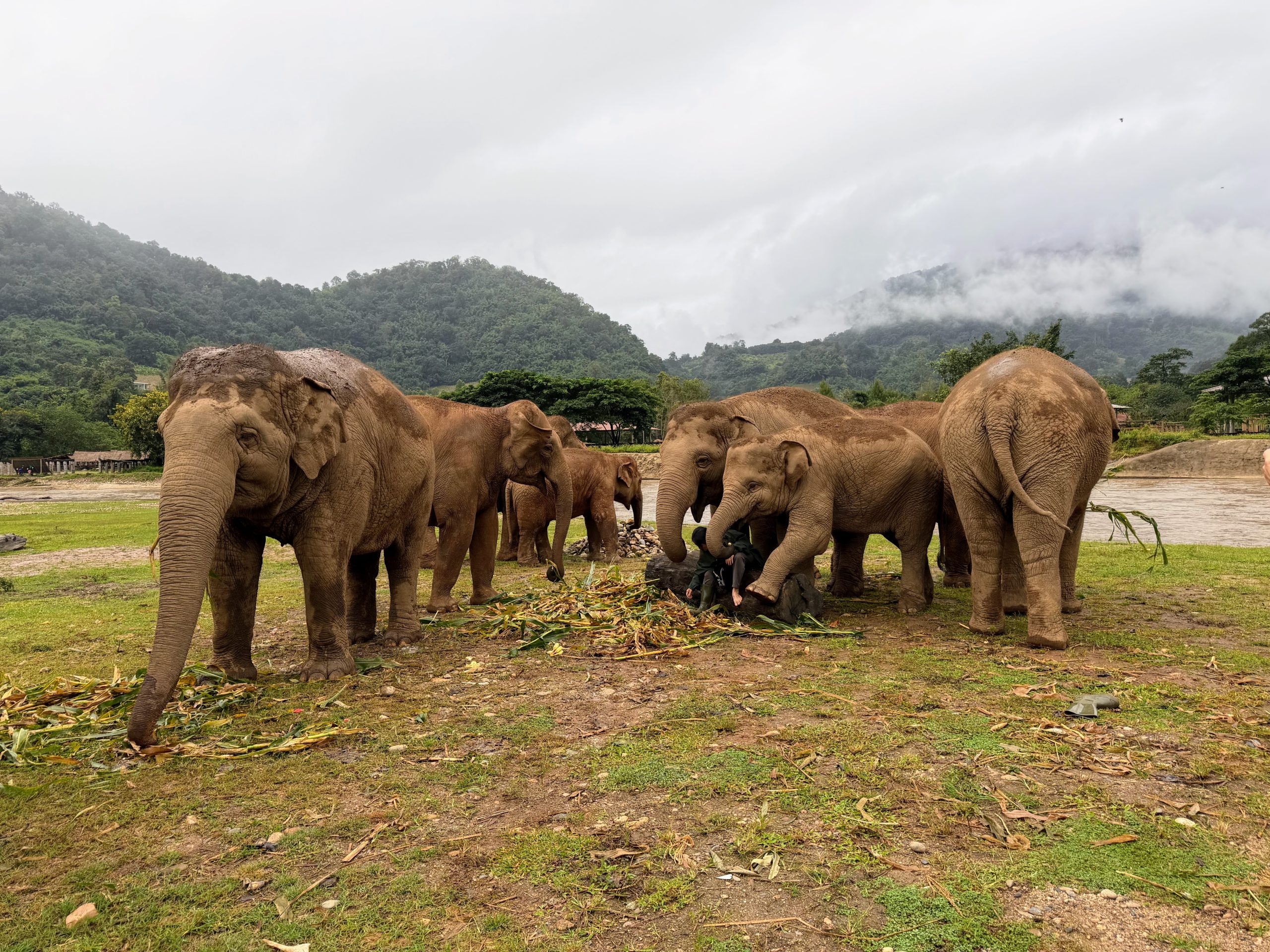
While it wasn’t as intimate as the Care for Elephants farm, it was a beautiful and emotional way to round out an already unforgettable day. We truly can’t recommend this experience enough.
Temples to Visit
Chiang Mai is overflowing with temples—so many, in fact, that you could easily spend an entire trip doing nothing but temple-hopping. Throughout our stay, we stumbled upon plenty of smaller temples that made for quick, unplanned stops. Below, however, are the temples we intentionally sought out and think are most worth your time.
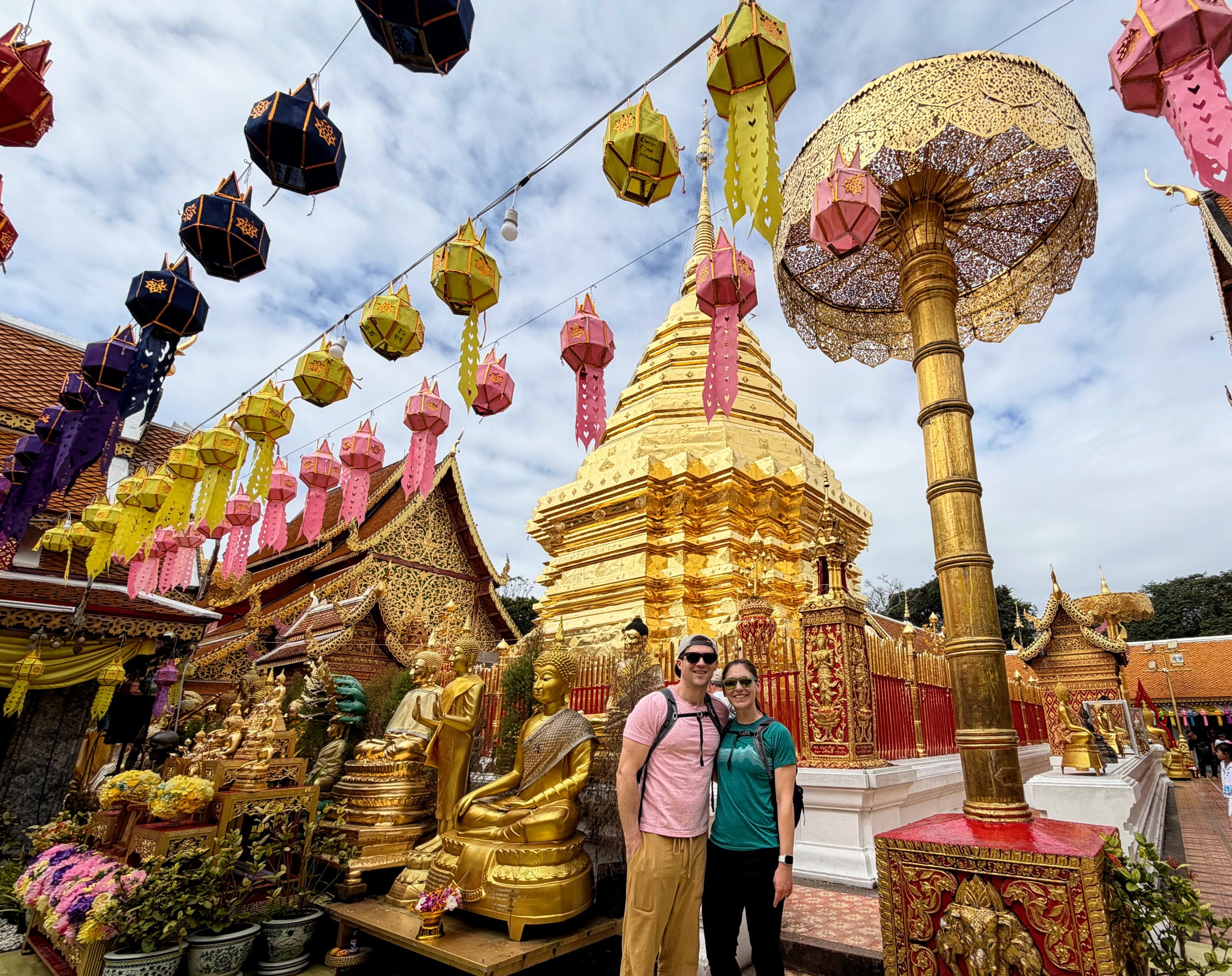
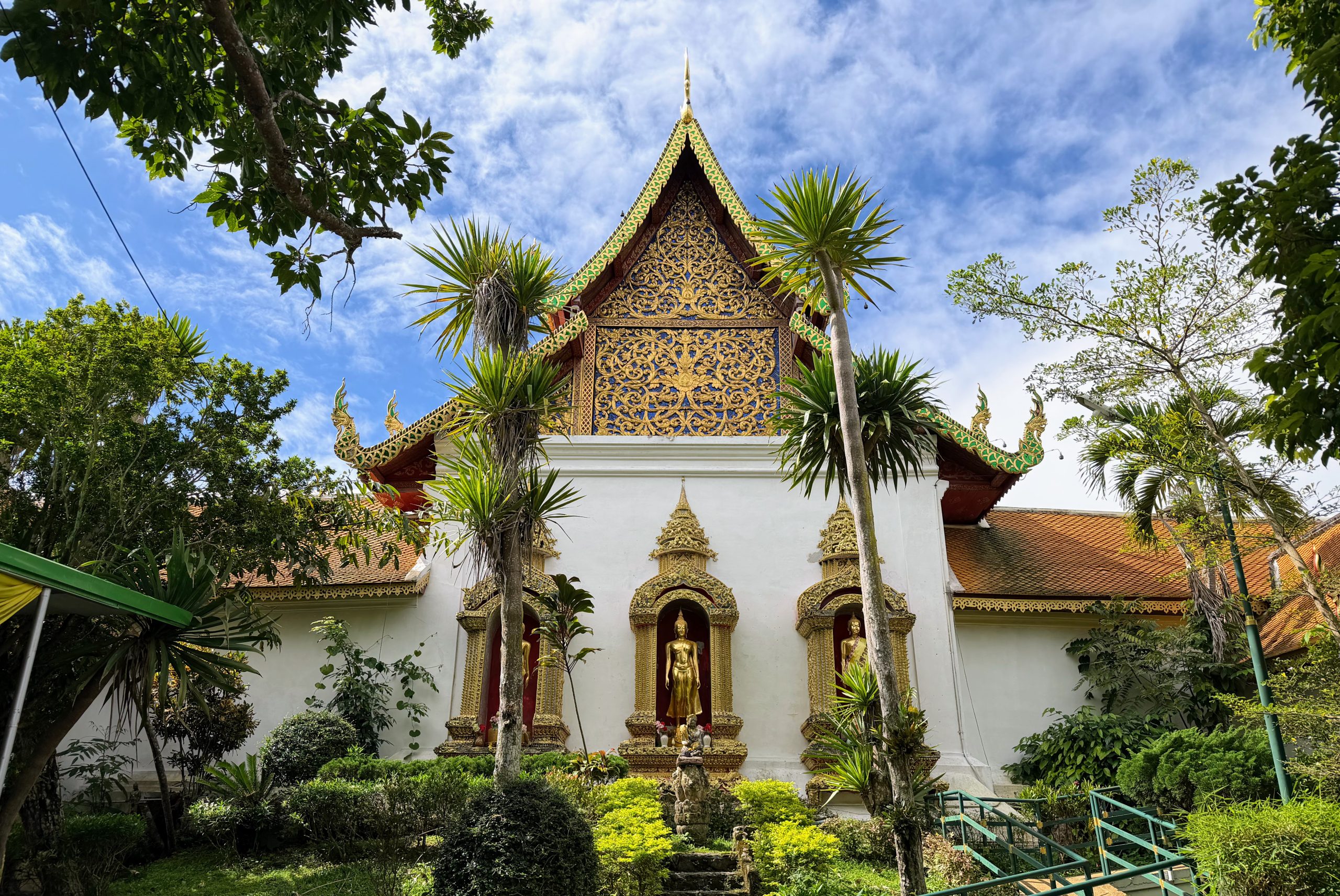
- Wat Phra That Doi Suthep: Perched on a hill just outside the city, this large temple complex was the first one we visited—and it immediately set the bar high. The scale and intricate details were genuinely impressive (even if we didn’t yet realize how many more incredible temples were still to come). There are also beautiful views over Chiang Mai from the top. It’s absolutely worth visiting if you have the time, just be sure to budget extra time for the drive up and back.
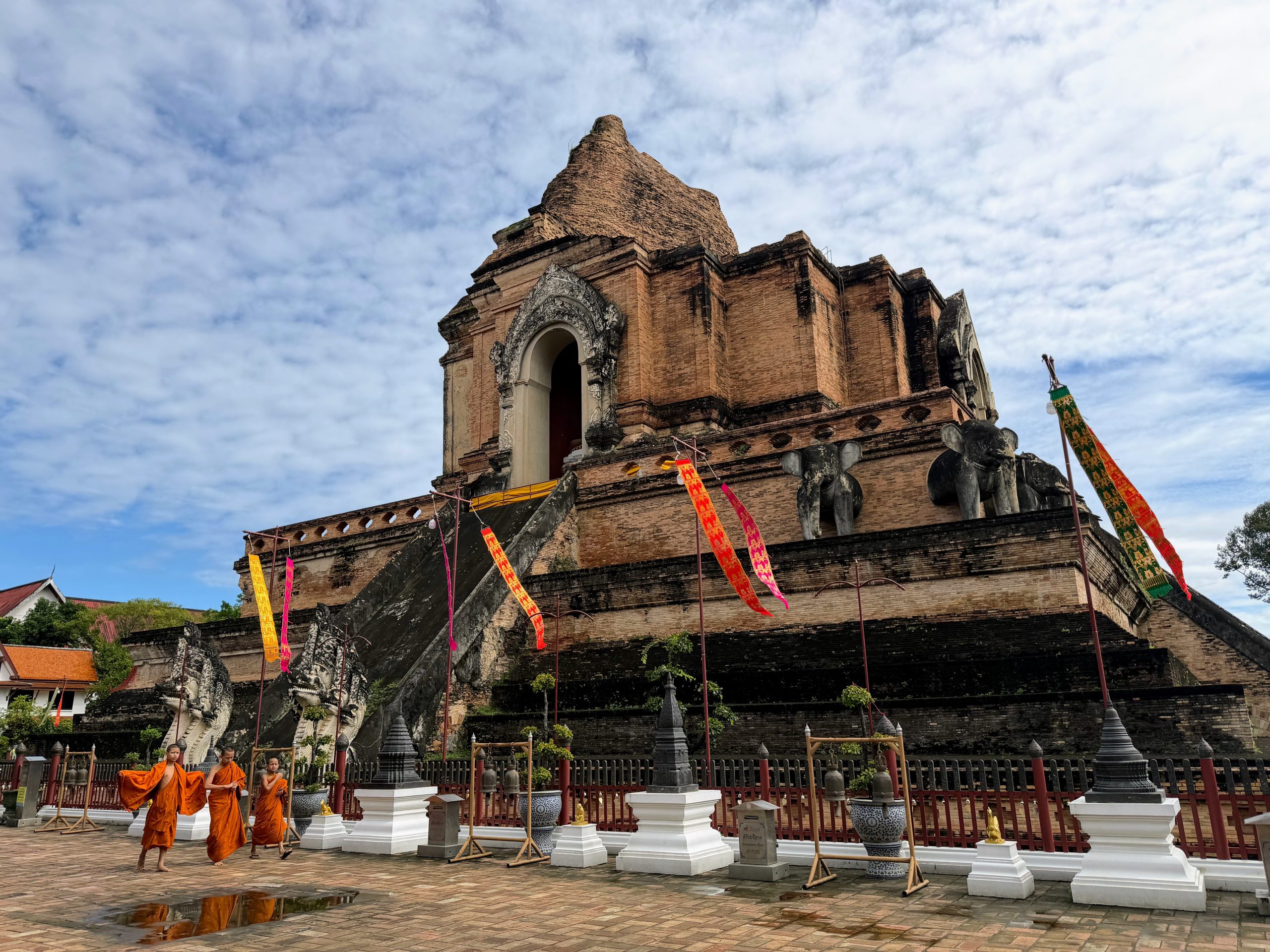
- Wat Chedi Luang: This was our favorite temple in Chiang Mai. The massive, partially ruined chedi feels both historic and incredibly well cared for, striking a rare balance between old and new. There were gongs positioned around the main structure that visitors could strike, which added an unexpectedly atmospheric element to the experience. The combination of scale, history, and energy made this temple especially memorable.
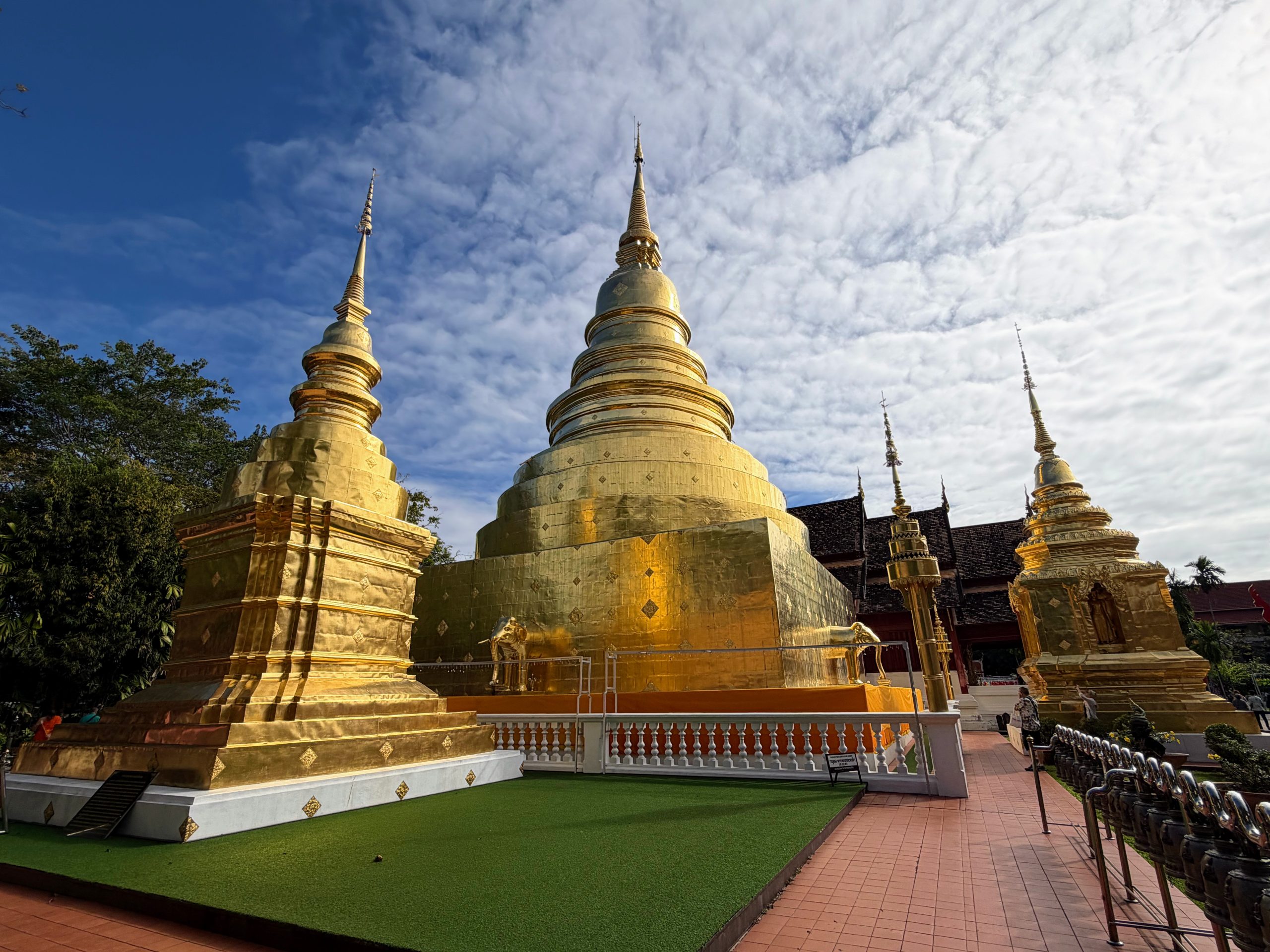
- Wat Phra Singh Woramahawihan: Located right in the heart of the Old City, this is a stunning, golden temple that’s slightly smaller than Wat Phra That Doi Suthep but just as impressive in its own way. One important note: there are known scammers in the area who pose as fellow tourists and try to lure visitors into visiting shops or tailors. We’d recommend sticking with your group and avoiding conversations with strangers here.
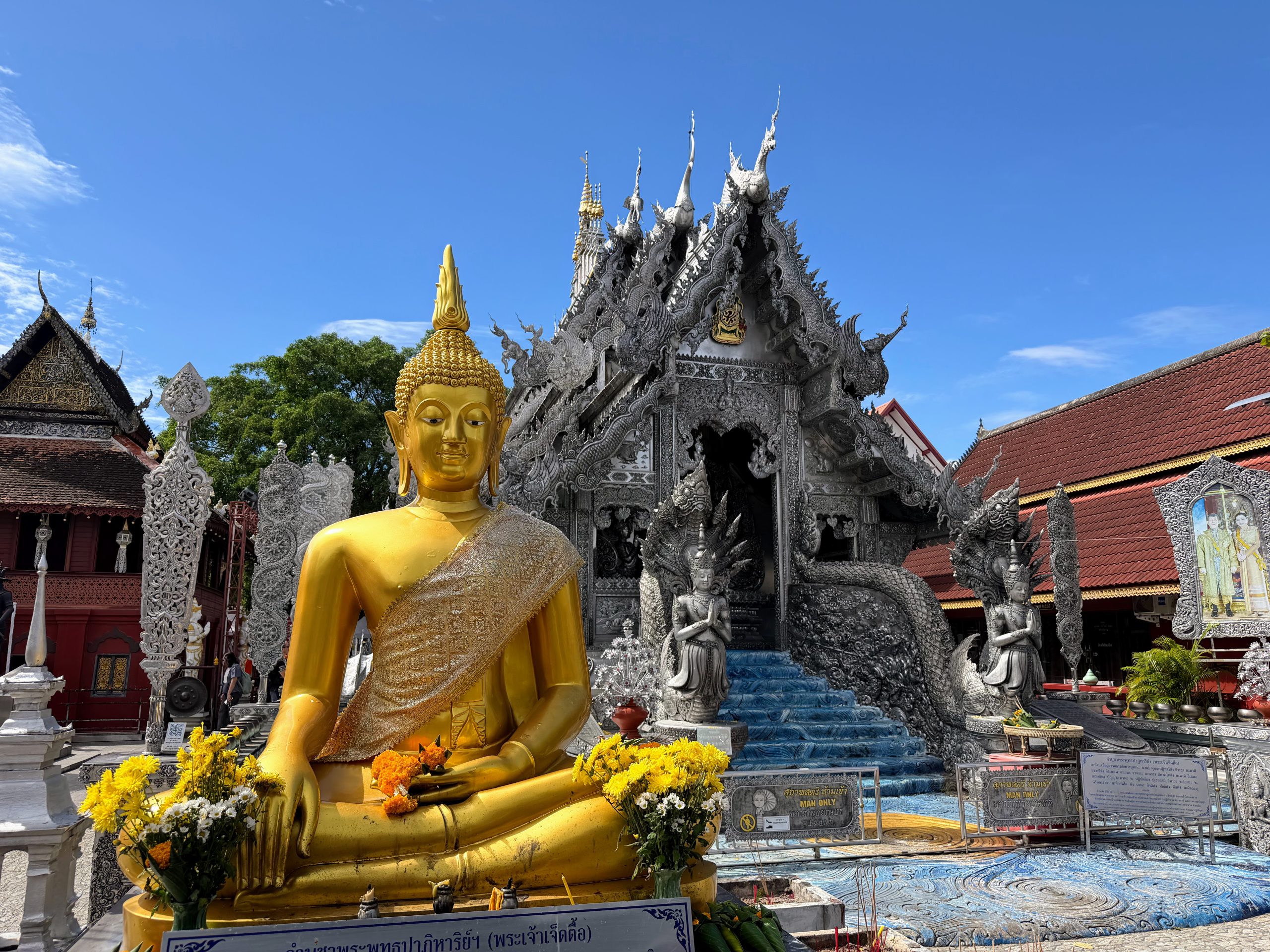
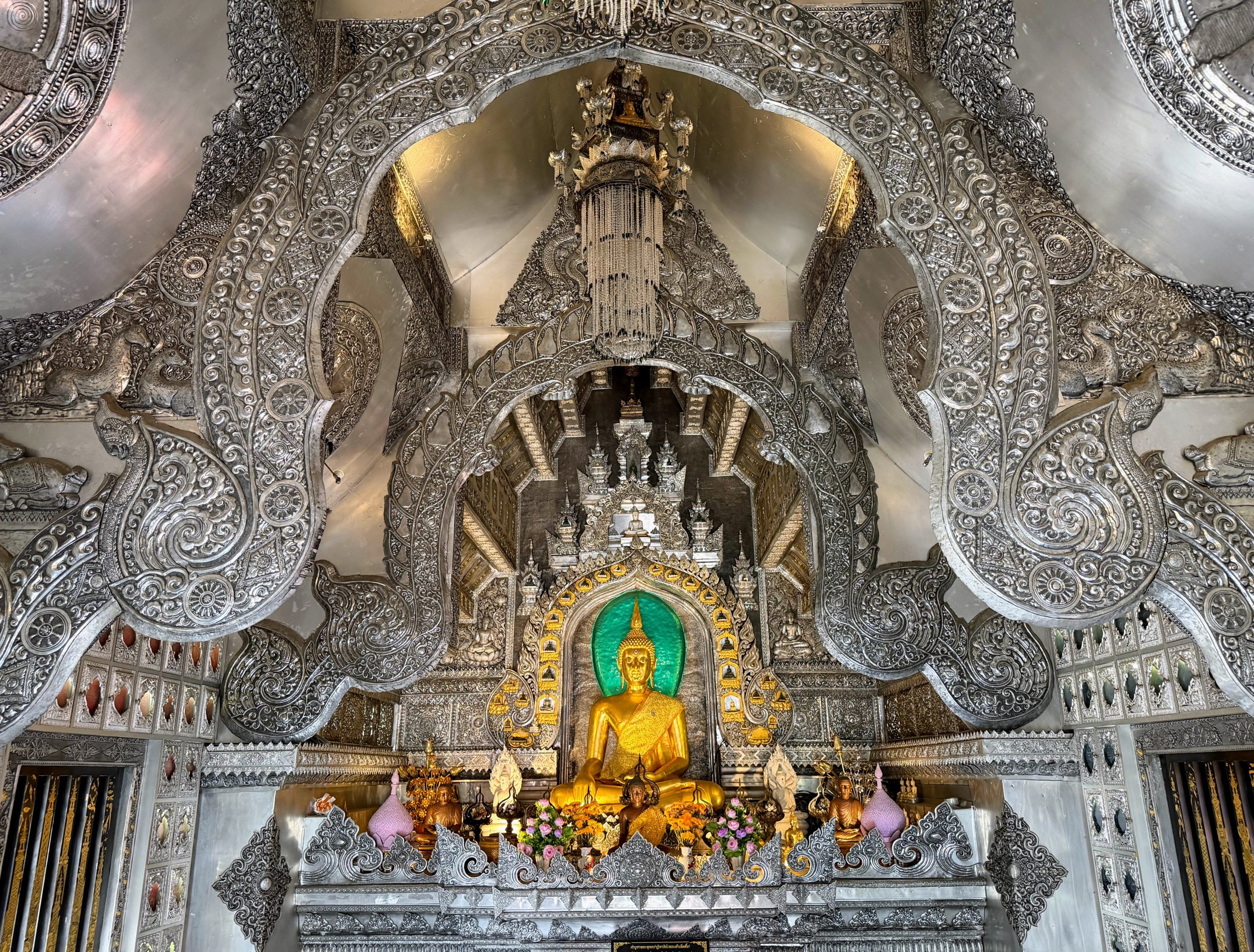
- Wat Sri Suphan (Silver Temple): Situated just outside the Old City, Wat Sri Suphan feels noticeably more modern—so much so that we even spotted a hidden Despicable Me reference worked into the temple walls. Despite its modern touches, it’s still incredibly beautiful and unique. The complex is fairly small, so about 30 minutes is plenty of time to explore. Women are not permitted inside the main temple, which is important to know before visiting.
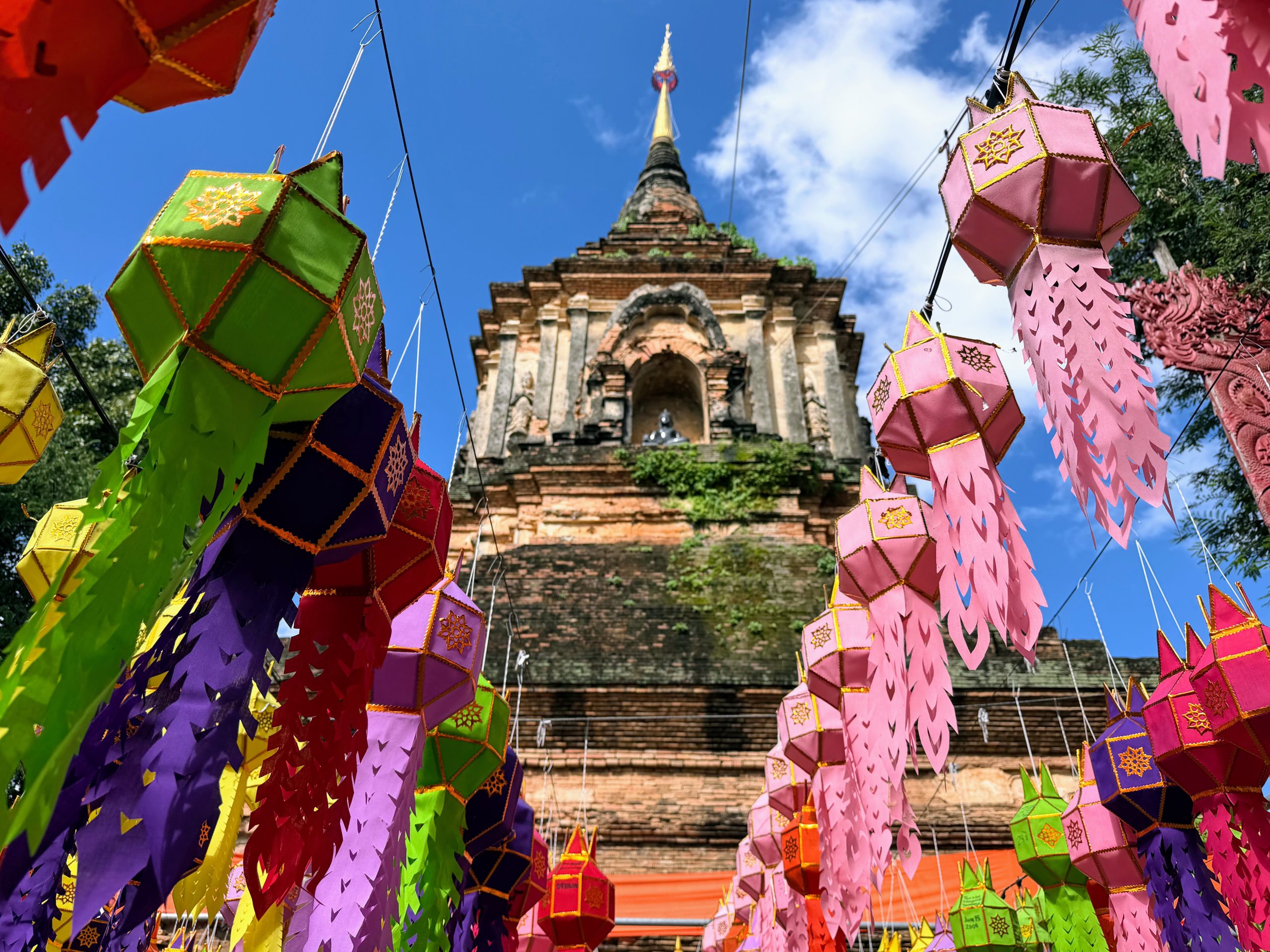
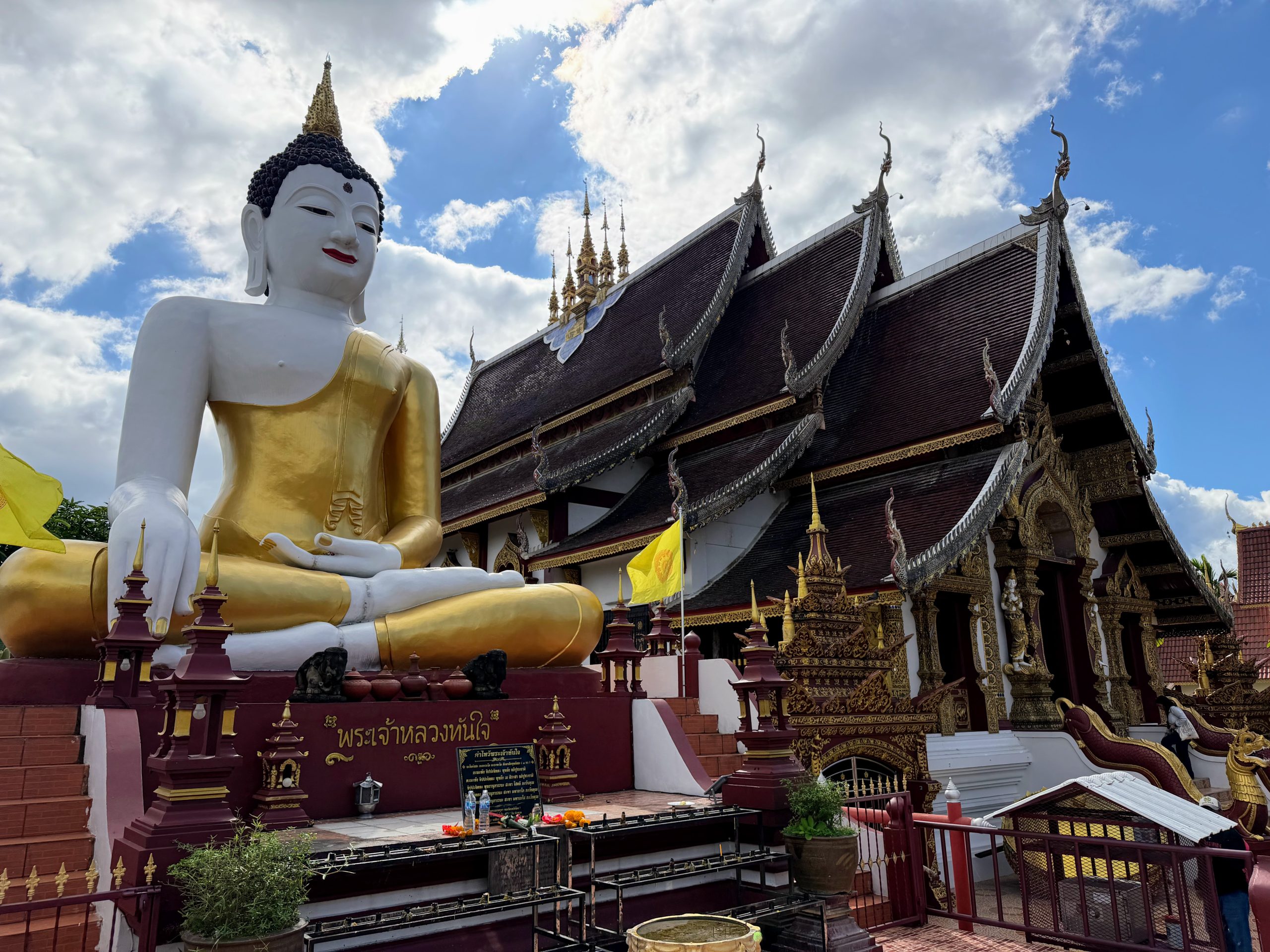
- Wat Lok Moli and Wat Rajamontean: We’re grouping these two together since they sit directly across the street from one another just north of the Old City. Both are smaller, quieter temples, but visiting them back-to-back highlights an interesting contrast. Wat Lok Moli feels much older, with sections that almost resemble ruins, while Wat Rajamontean is noticeably more modern and polished.
Other Things to Do
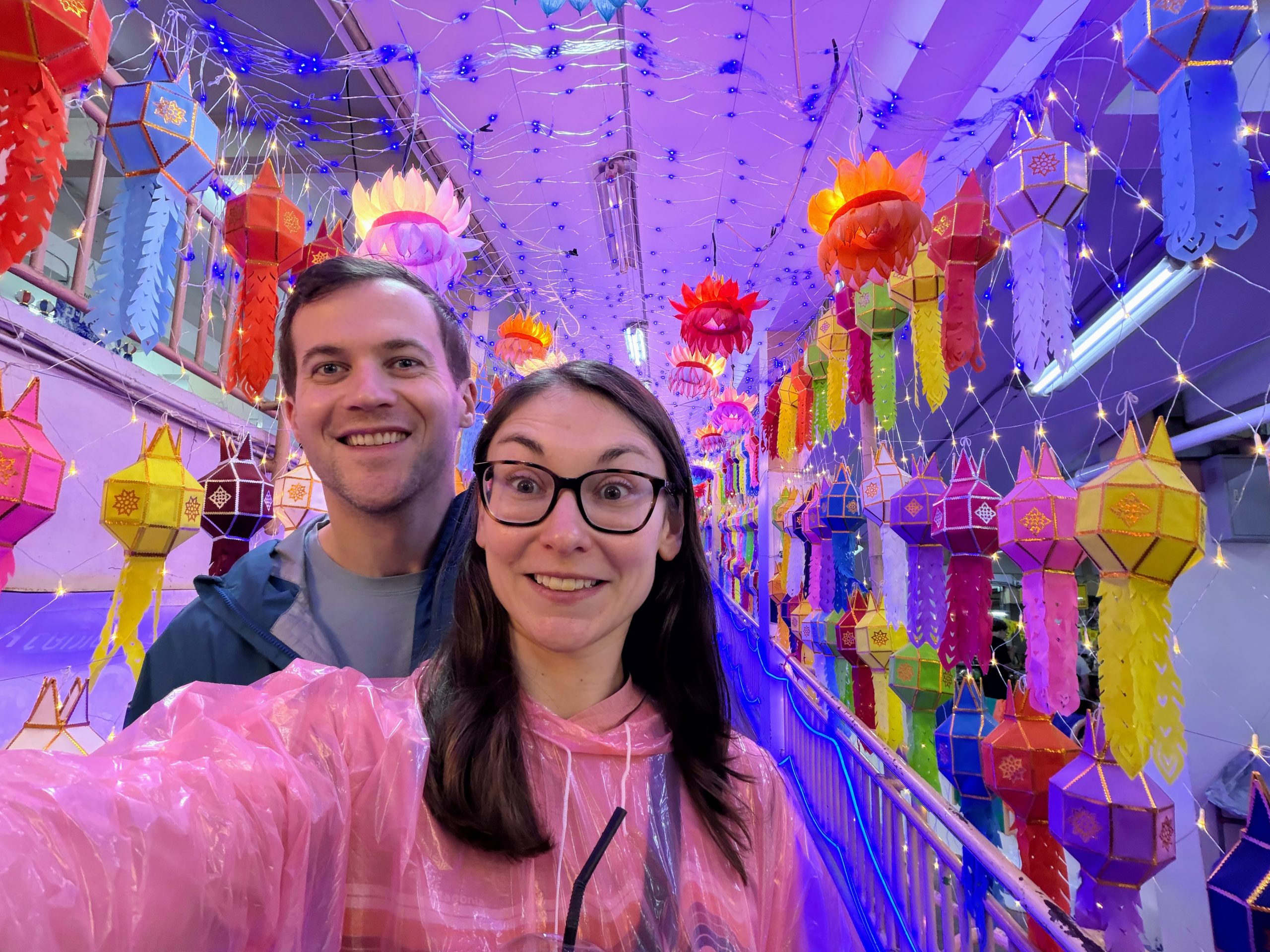
- Markets: Chiang Mai is a shopper’s paradise, with bargain-level prices and an almost overwhelming number of options. During our three days in the city, we visited several markets, including the Chiang Mai Night Bazaar, Warorot Market, and Anusarn Market. All three were lively and chaotic in the best way—packed with people, stalls, and seemingly endless things to browse. While each had its own appeal, our favorite by far was the Chiang Mai Night Bazaar. We easily could have spent an entire evening there wandering, eating and drinking, and hunting for deals.
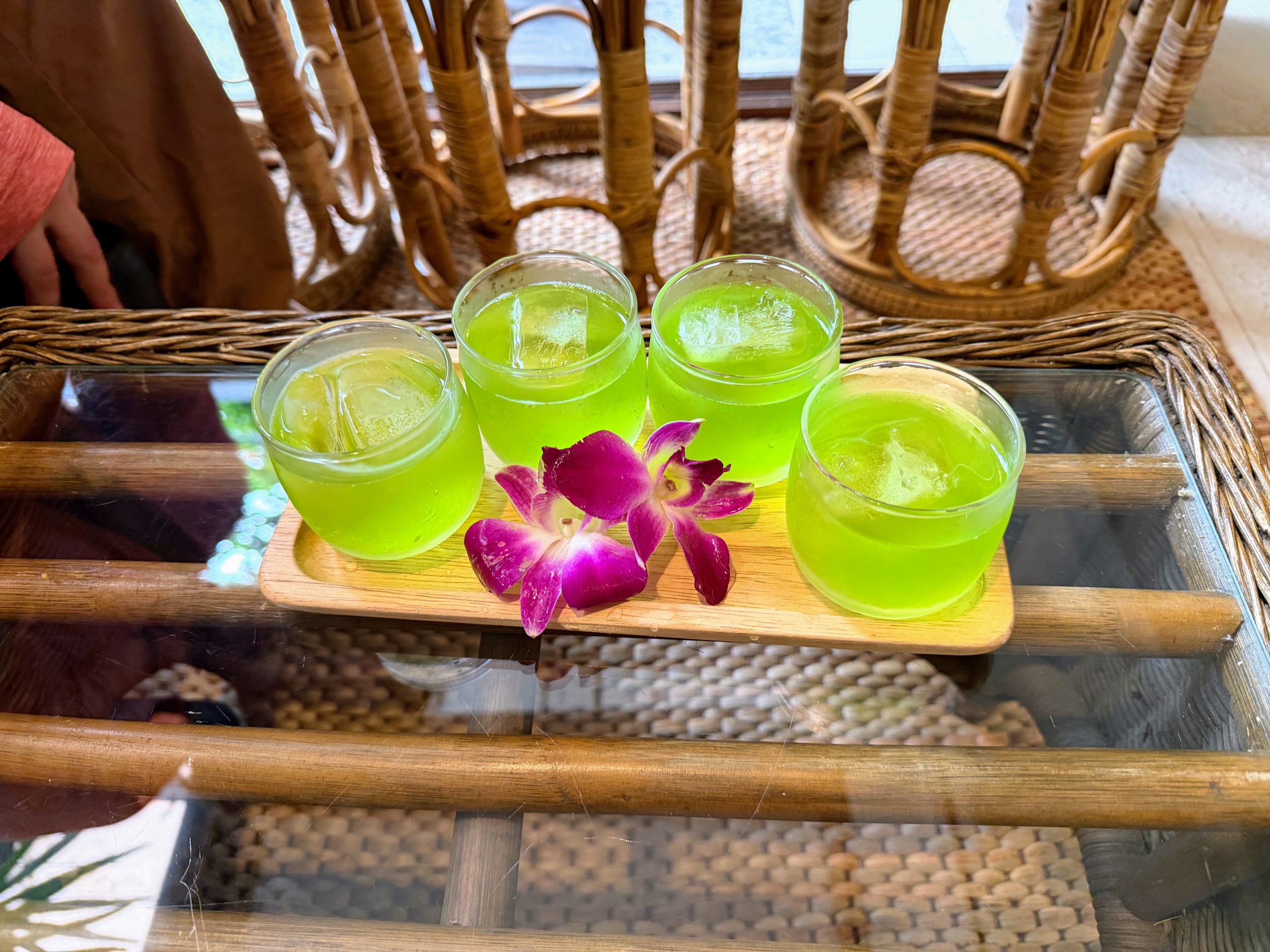
- Massages: A trip to Thailand wouldn’t feel complete without at least one Thai massage, and we took full advantage of the rainy weather by booking two while in Chiang Mai. We tried both ChabaPrai Spa and Calm Massage. While Calm was more affordable, we enjoyed ChabaPrai significantly more. At Calm, even requesting “moderate” pressure ended up being fairly intense—borderline painful at times. It’s worth noting that traditional Thai massages involve a lot of stretching, bending, and firmer pressure than many people expect, so if you’re unsure, don’t hesitate to ask for “light” pressure.

- Kaew Gallery: We loved the artwork at Kaew Gallery so much that we ended up bringing home two paintings. If you enjoy collecting local art while traveling, this is absolutely worth a stop—wander through, take your time, and see if something speaks to you.
Where to Eat
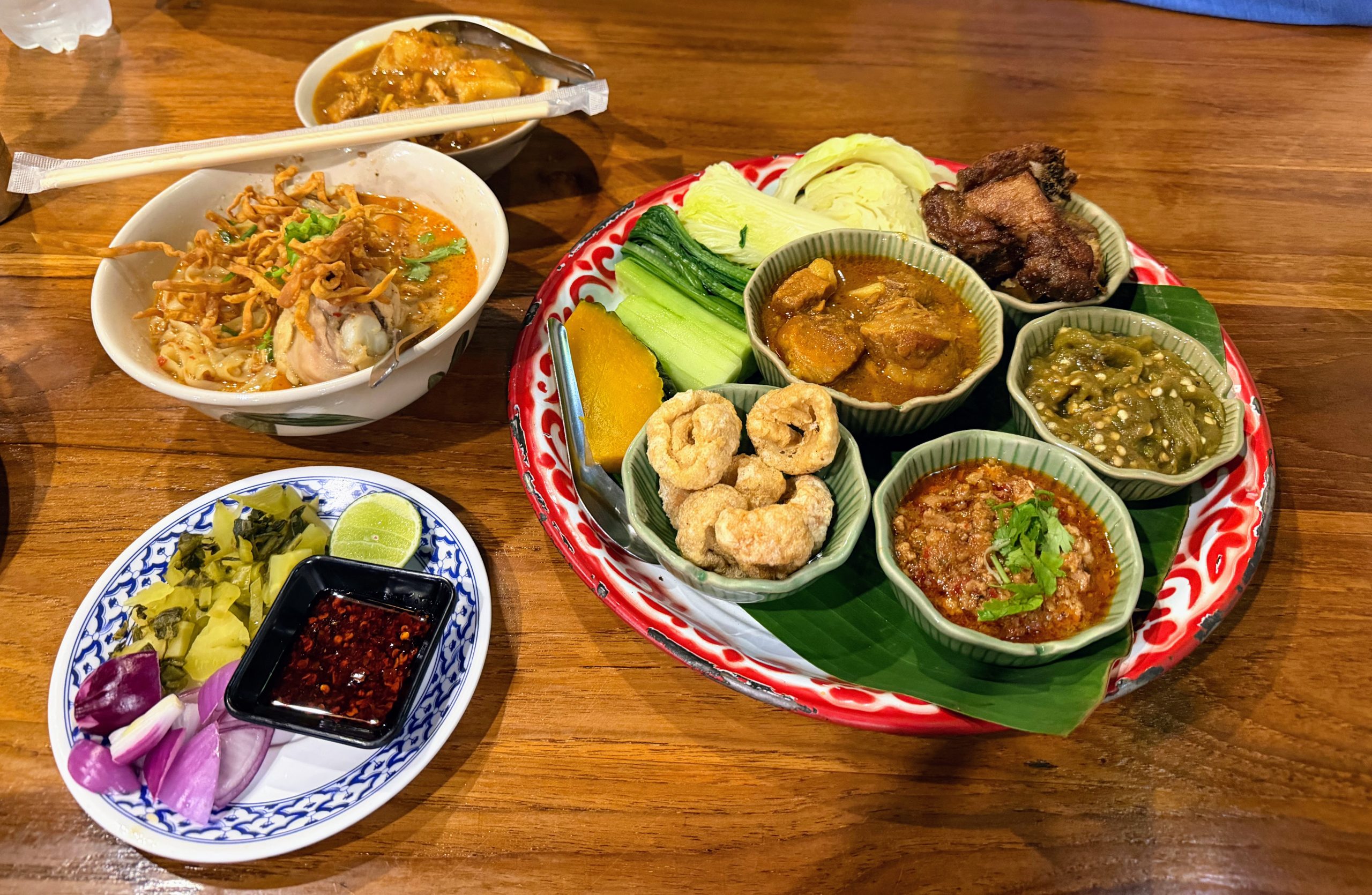
- Huen Muan Jai: This Michelin Bib Gourmand Northern Thai restaurant was one of our favorites in Chiang Mai—and easily the best value. It has a strong reputation (well deserved), which means waits can be long; we waited about 35 minutes for a table. Once seated, though, the food came out quickly. We ordered a full spread to share among the four of us, and everything was excellent. Standout dishes included the Khao Soi Gai, Khai Jeaw Moo Sub, Gaeng Hung Lay, and Ka Prao Moo – Khai Dao Rad Khao. Most dishes leaned spicy, so keep that in mind when ordering.
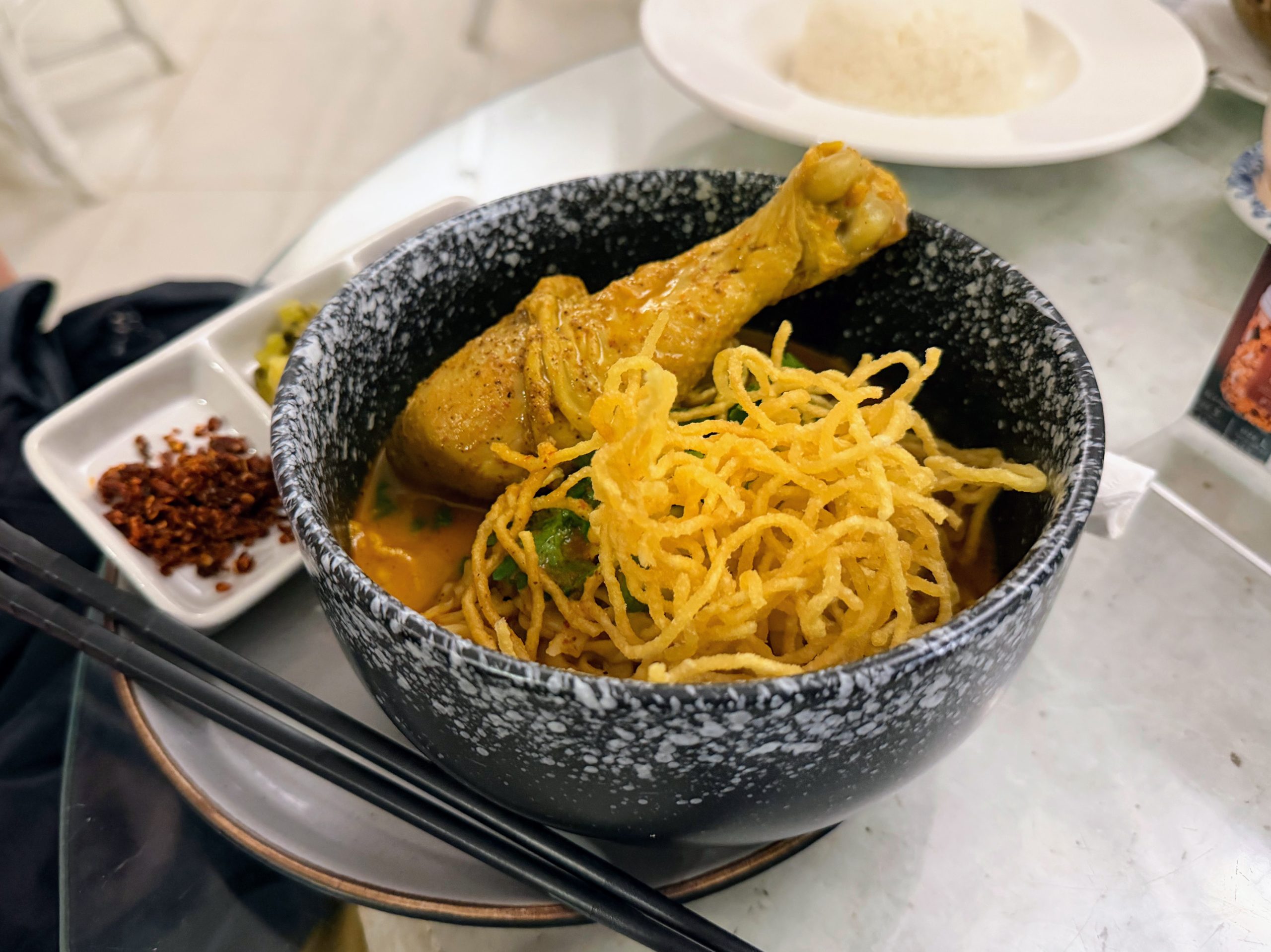
- Fern Forest Cafe & Bakery: Our Airbnb host recommended Fern Forest for breakfast, but we ended up visiting for dinner and loved it. The atmosphere feels a bit more Western than some of the other spots on this list, but the Northern Thai Curry Noodle with Chicken was outstanding—and among the best versions we had in the city.
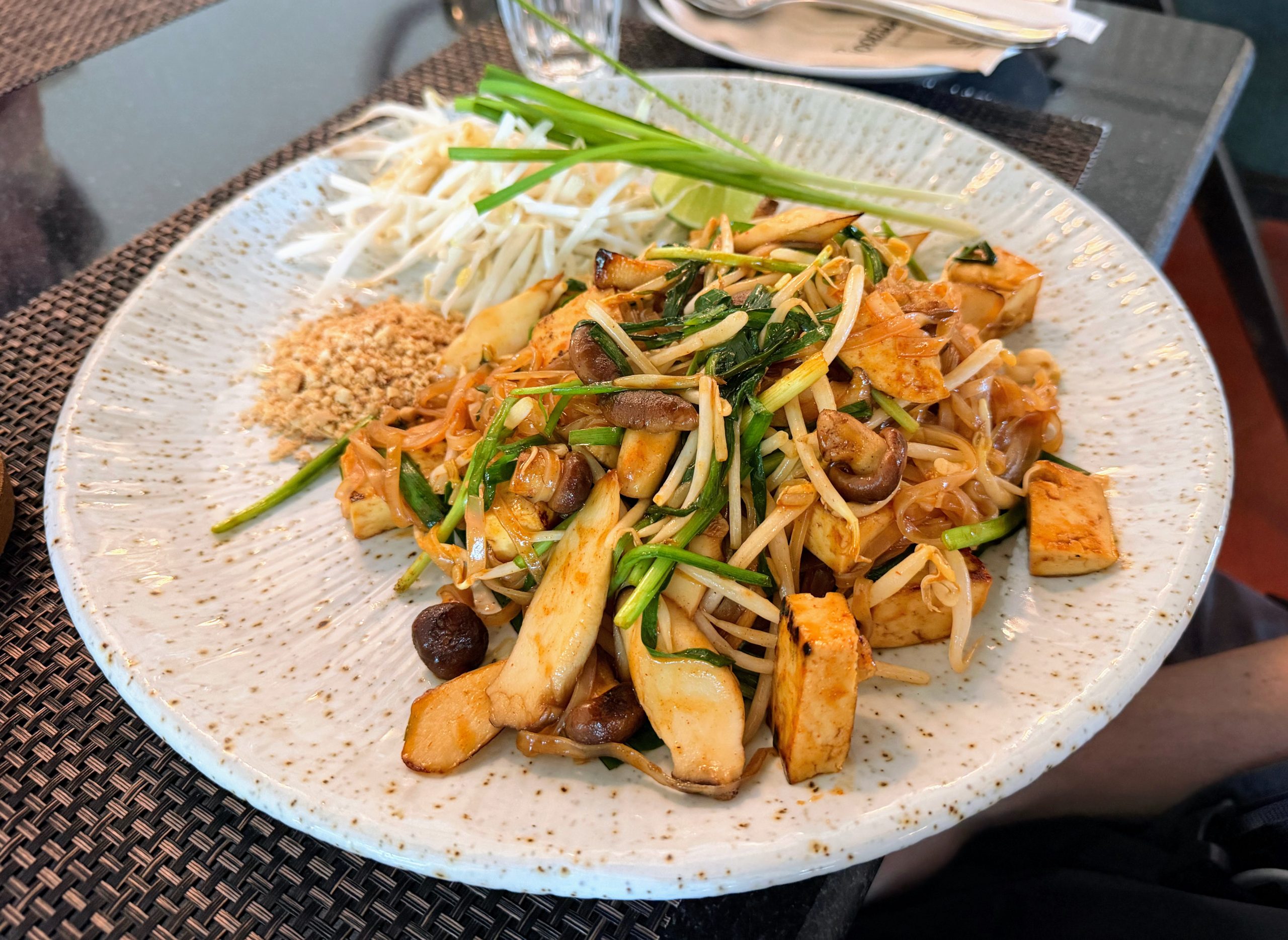
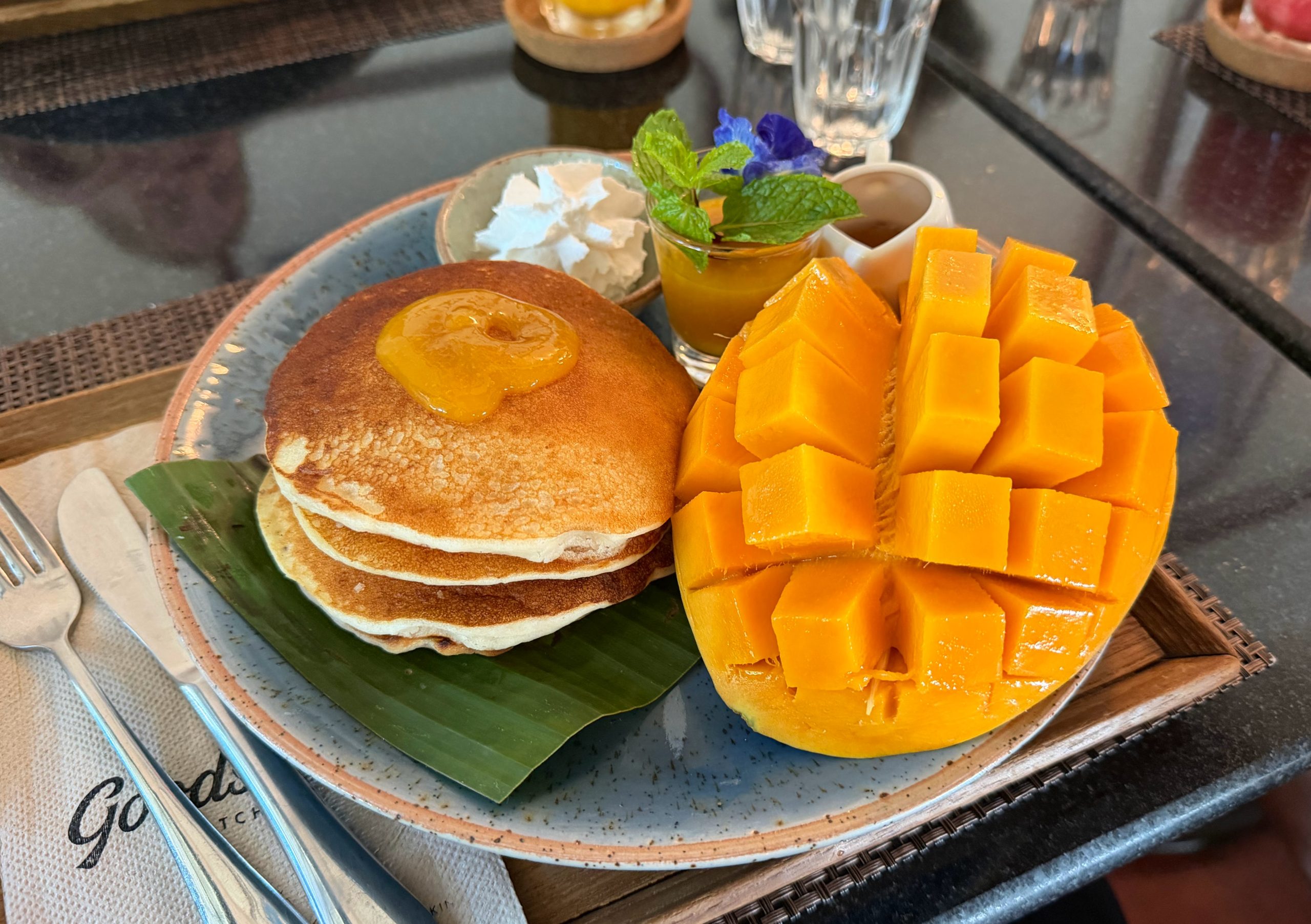
- Goodsouls Kitchen: If you’re looking for vegan food, this is the place to go. Despite being fully vegan, Goodsouls delivers a fantastic pad thai, along with excellent banana pancakes and refreshing watermelon juice. Prices are slightly higher than other local spots, but still very affordable by U.S. standards.
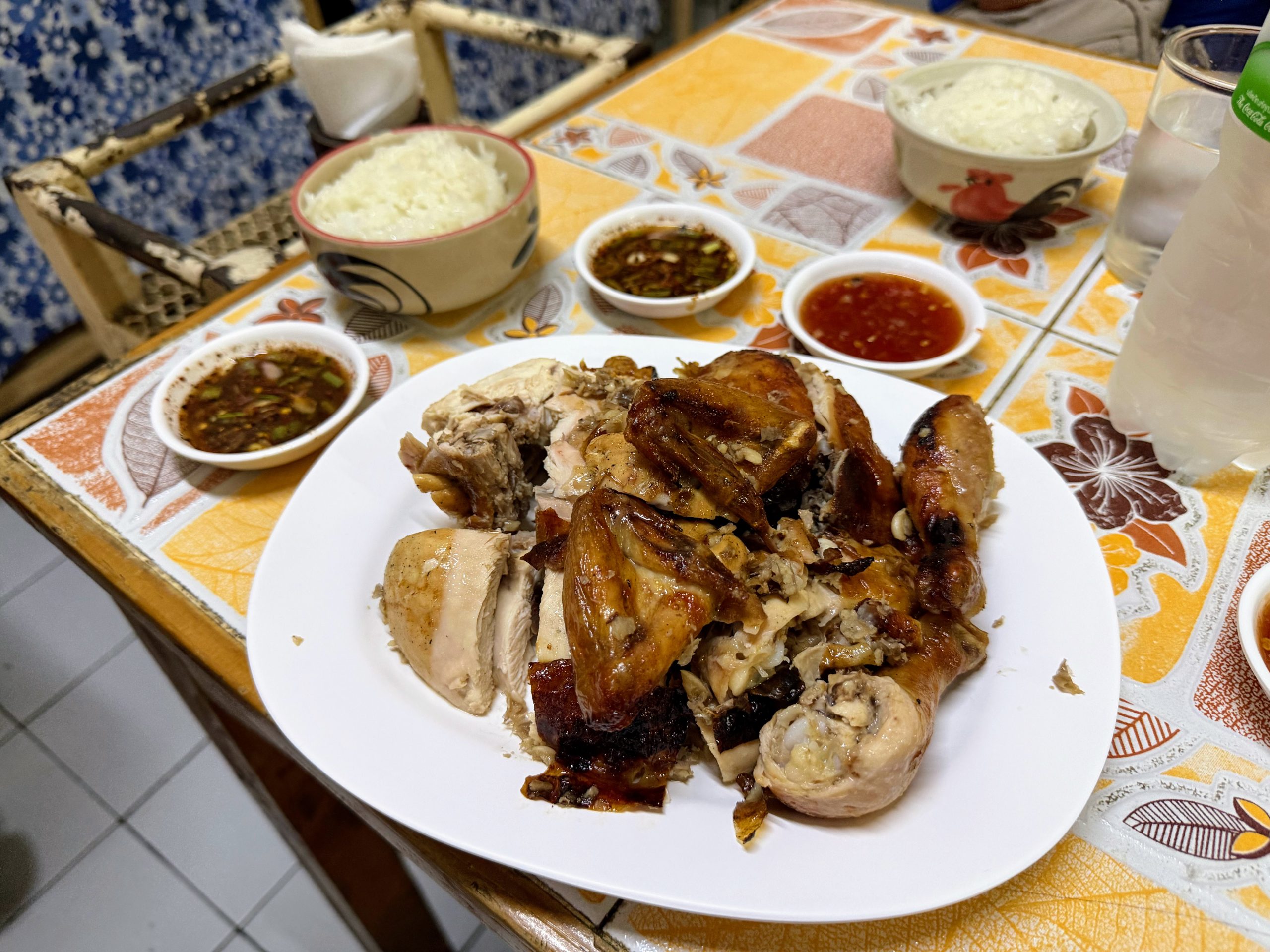
- SP Chicken: Another formerly Michelin-recognized spot, SP Chicken is as casual as it gets—and absolutely delicious. The whole chicken is the star of the menu and is fantastic, fast, and inexpensive. No frills, just really good food.
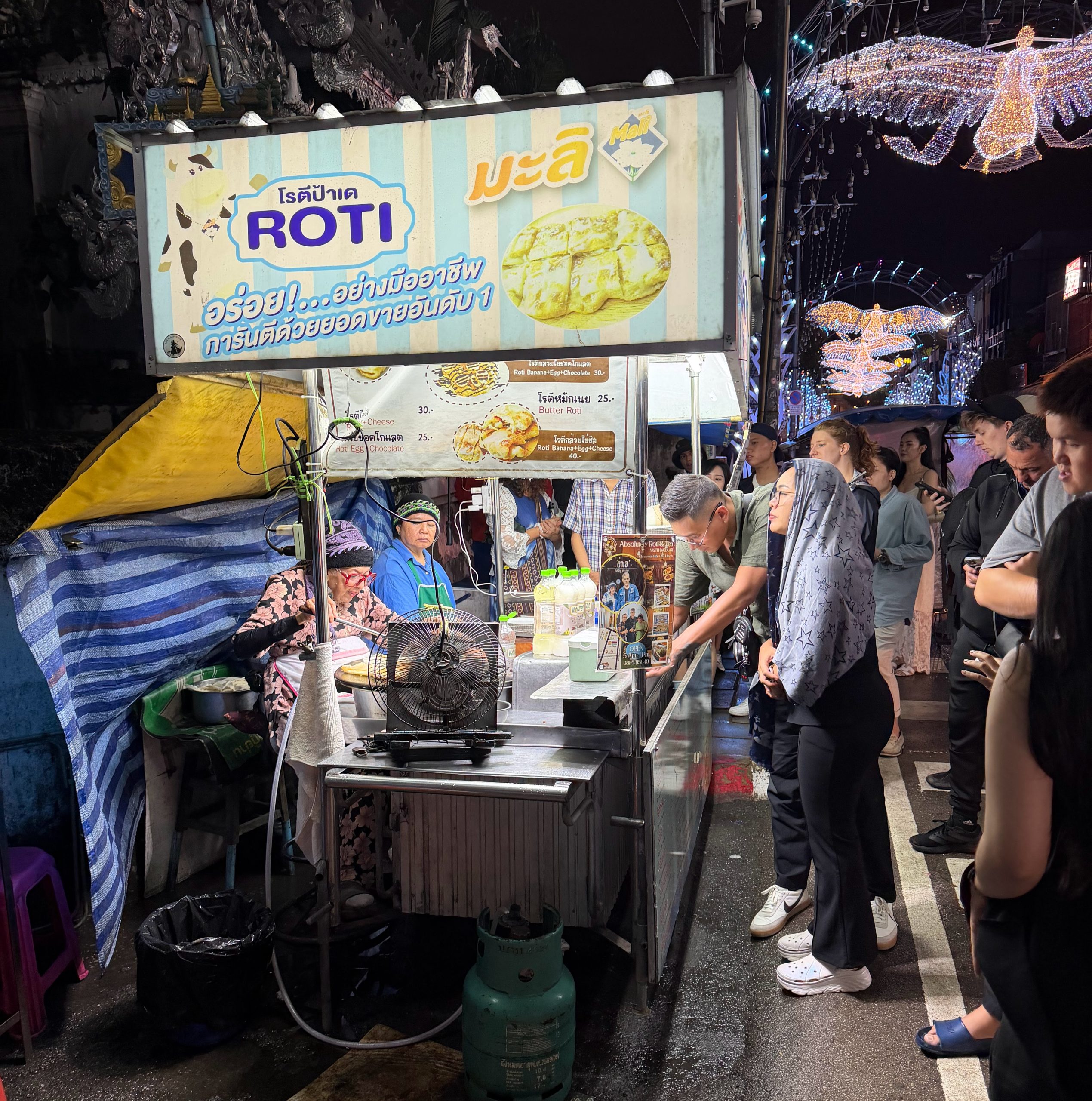
- Roti Pa Dae: This street food dessert stand has a reputation for a reason. Lines can build up in the evenings, but it’s worth the wait to watch Thai grandmas expertly prepare sweet roti that they’ve clearly been making for decades. Both the banana Nutella and banana chocolate rotis were excellent.
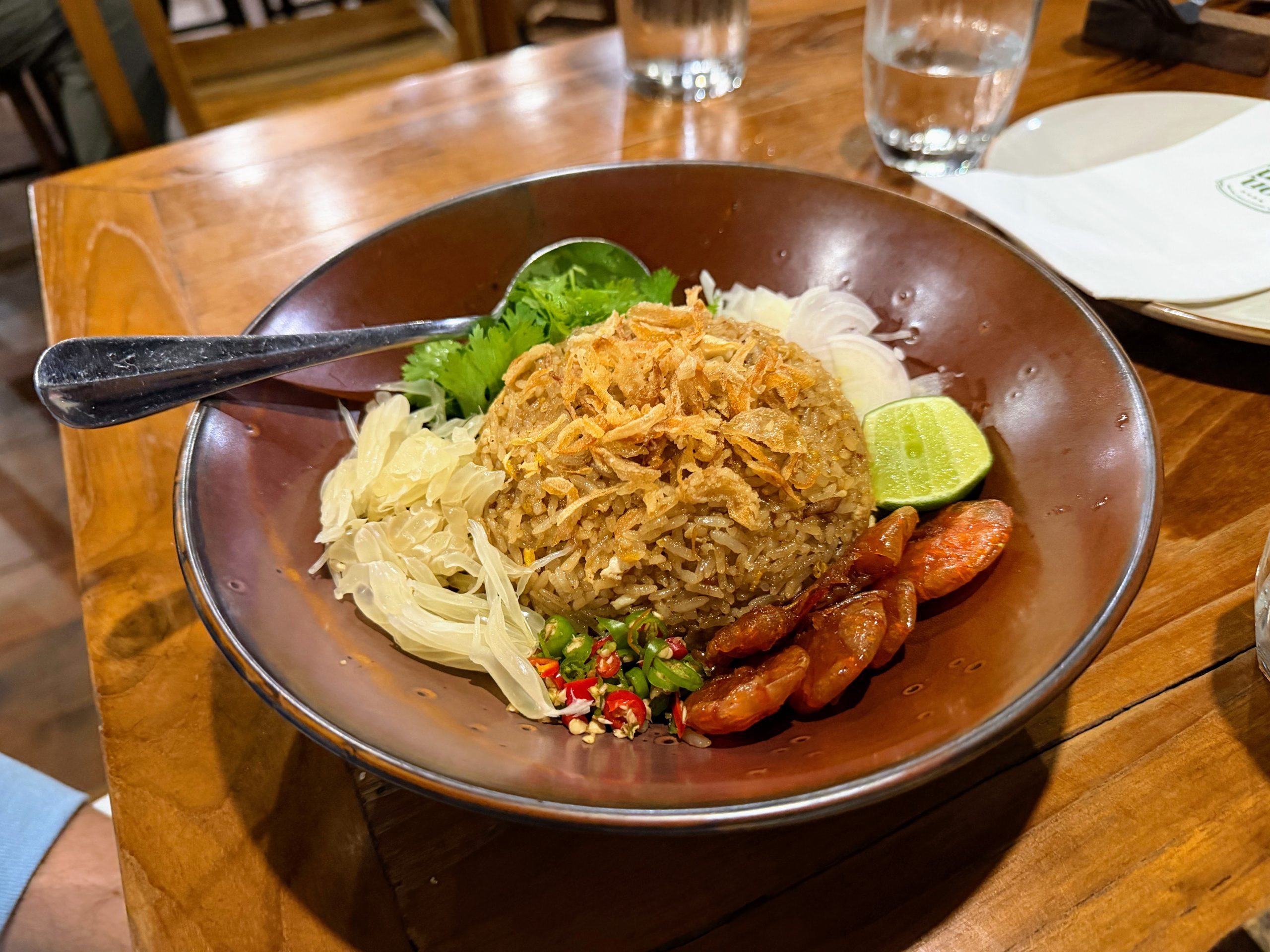
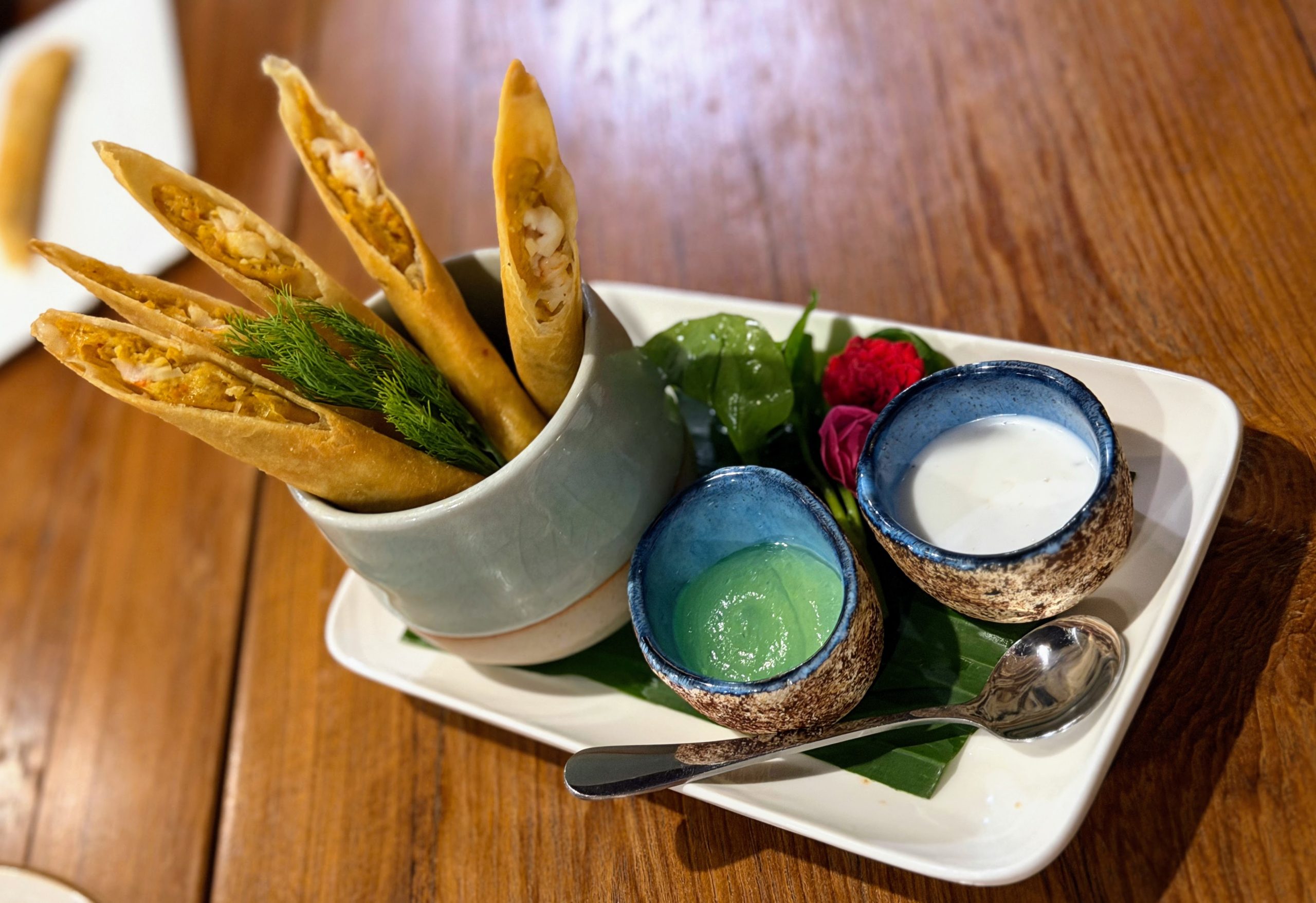
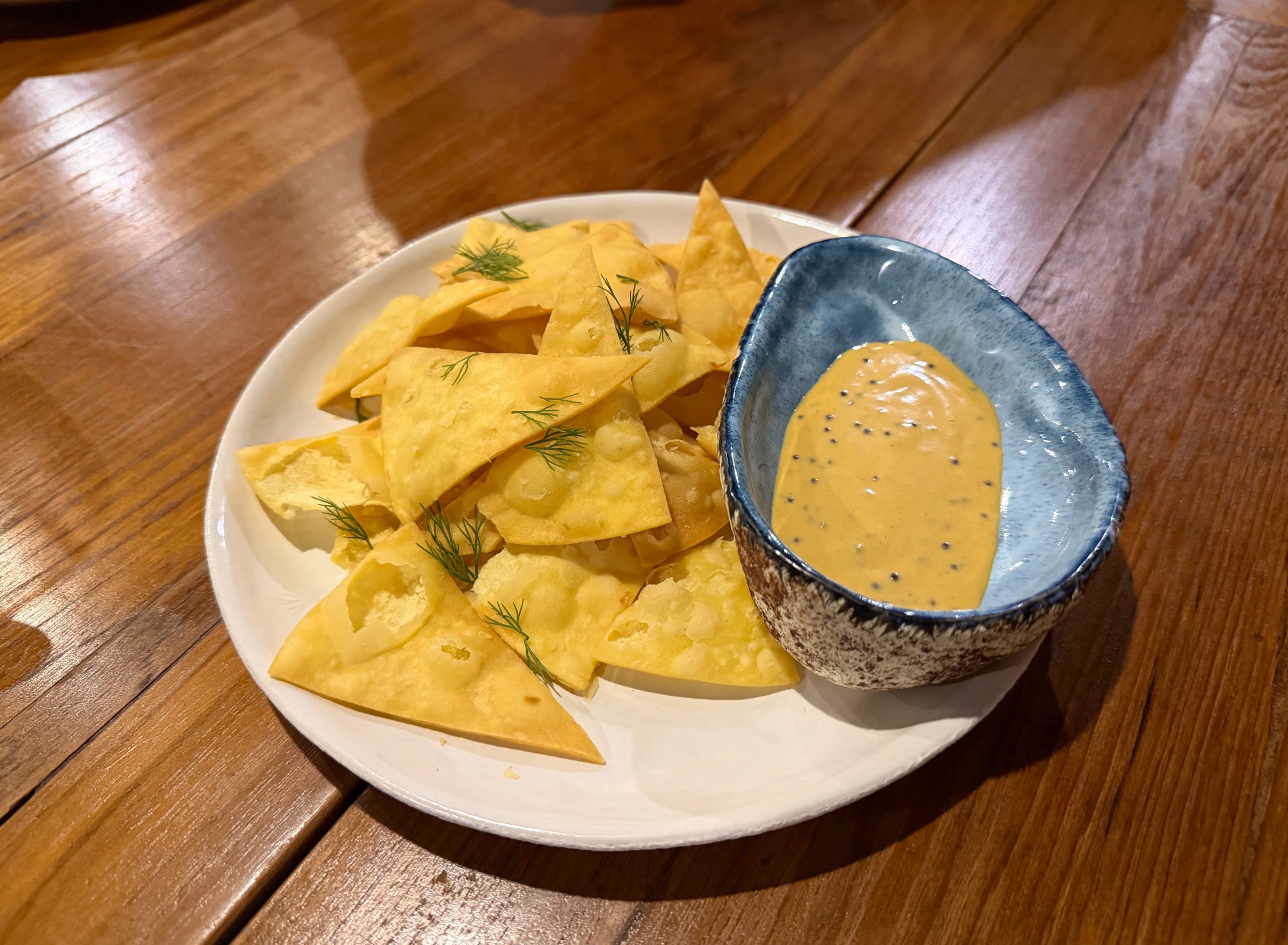
- Ekachan The Wisdom of Ethnic Thai Cuisine: For slightly more elevated Northern Thai cuisine, Ekachan is another Michelin Bib Gourmand option. Prices here were higher and didn’t feel quite as good a value compared to Huen Muan Jai, but the flavors were undeniably strong—and they accept reservations, which is a plus. The fried rice with sweet shrimp and the spring rolls were particularly good.
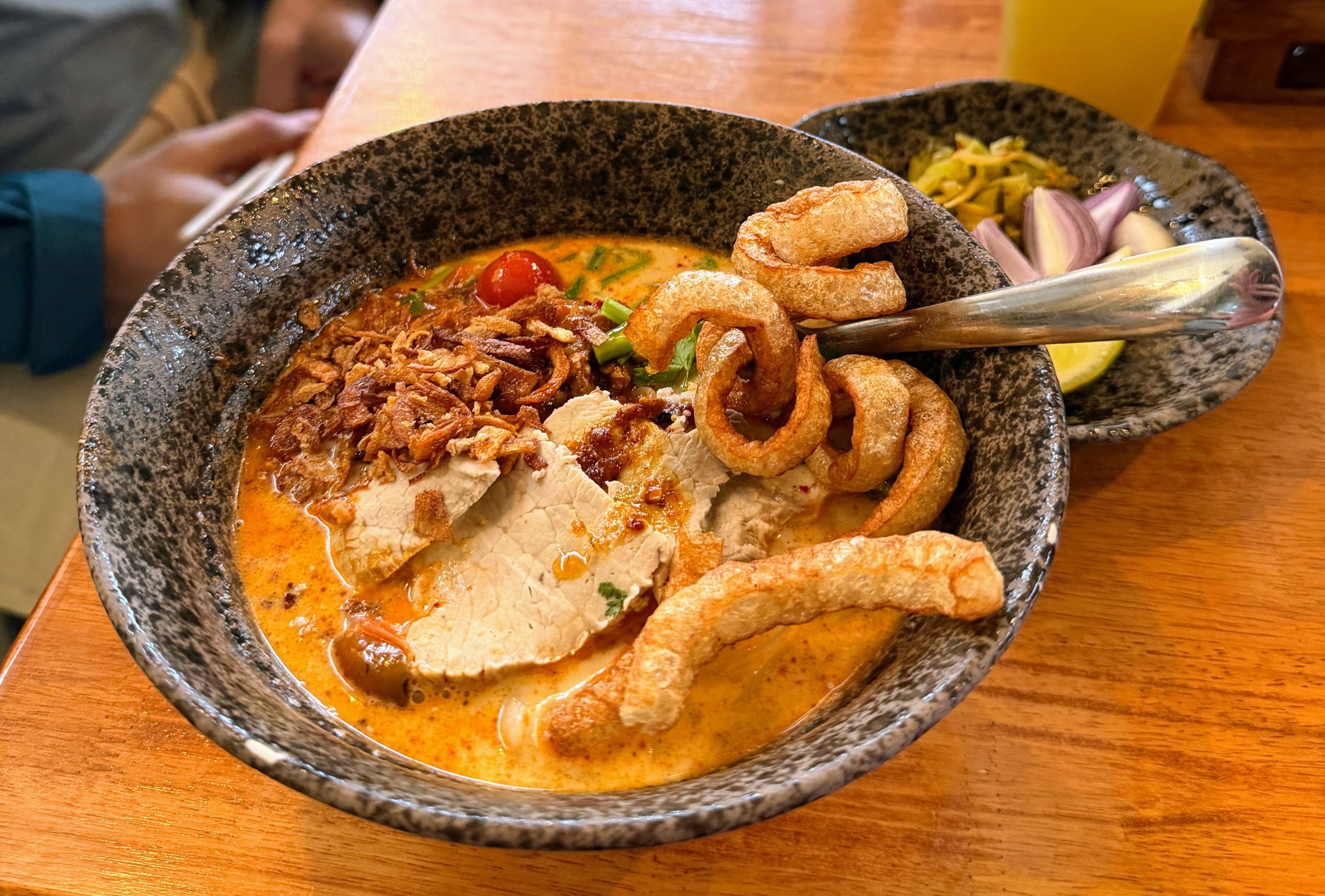
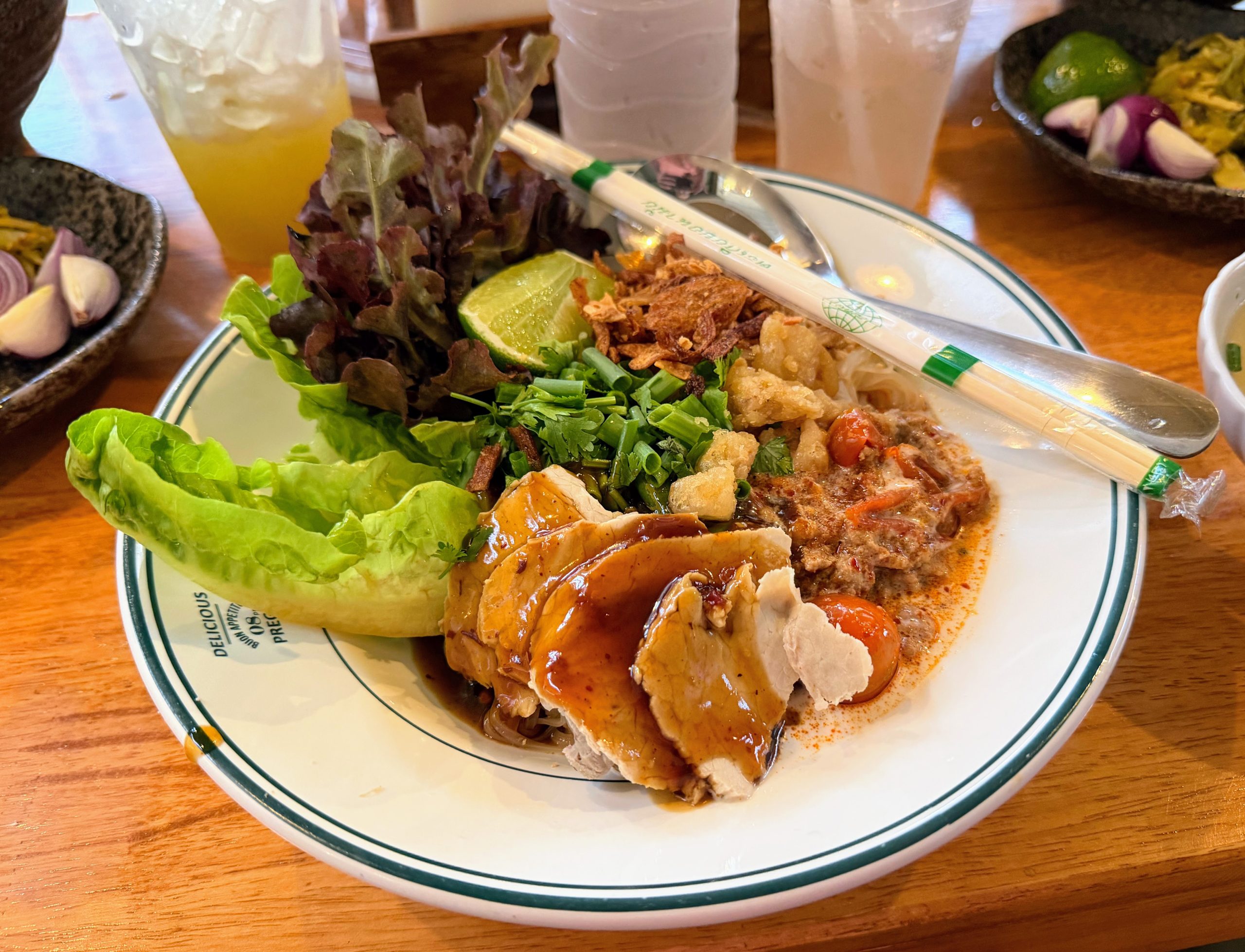
- So Sood: For a casual, no-nonsense noodle bowl, head to So Sood in the Old City. It’s a small spot with quick service and a handful of signature noodle dishes that pack serious flavor. Just be warned: the food is spicier than you might expect.
- Golden Dragon Bakery: If you seek this place out, you might wonder if you’re in the right spot—it looks more like a convenience store than a bakery. Don’t be fooled. The breads here are delicious, incredibly inexpensive, and perfect for snacking while exploring. The sweet buns and egg yolk pastries were far better than we expected.
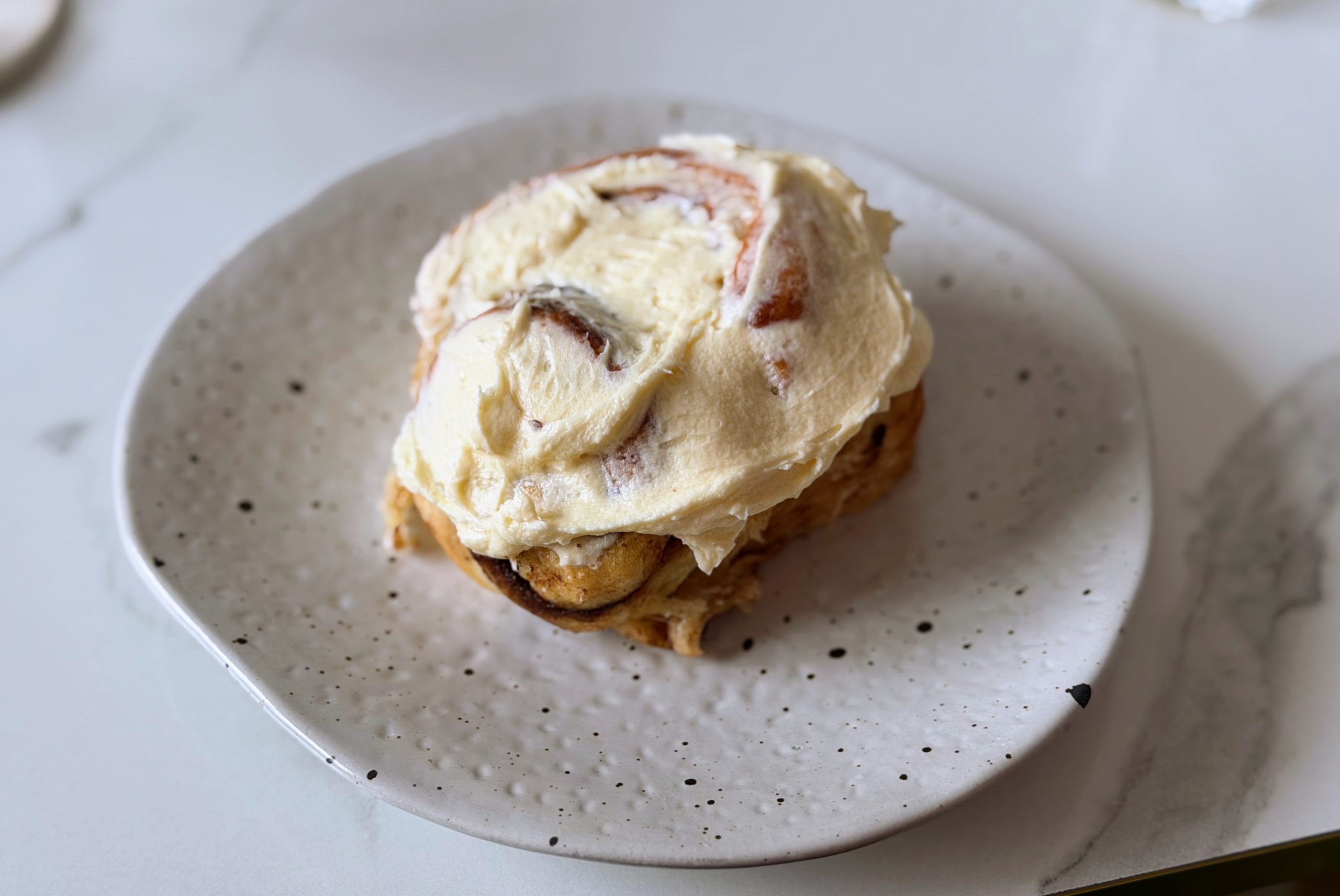
- So Frickin Good Bakery: For a fully Western-style bakery (and a noticeable jump in price), So Frickin Good is a solid option. The cinnamon roll was legitimately delicious, and the air-conditioned space makes it a comfortable place to take a break from the heat.
Other Tips & Tricks
- Carry Cash: Many temples—and even some restaurants—only accept cash, so it’s important to keep a decent amount on hand. Even places that do take credit cards often charge a fee for using them. In general, cash is far more useful in Thailand than in most other destinations we’ve visited. The good news is that there are plenty of legitimate currency exchange shops throughout the Old City offering solid rates.
- Getting Around: Walking is easy within the Old City, but getting around outside of it can be more challenging. Traffic is intense, and drivers don’t always respect crosswalks. The Grab app is a must-have—it’s inexpensive, reliable, and the easiest way to get private, safe rides around Chiang Mai.
- Language Barrier: Most tourist attractions and restaurants speak enough English that we had no trouble getting by without knowing Thai. That said, not speaking the language can make bartering in markets a bit more difficult, so patience (and a sense of humor) go a long way.
- Where to Stay: We were very happy staying inside the Old City, since many of the temples, restaurants, and sites we wanted to visit were located there. In hindsight, we also would have been perfectly comfortable staying just east of the Old City, closer to the markets and a large concentration of dining options. Airbnbs tend to be cheaper than hotels and are generally sufficient as long as your expectations are reasonable—just know that beds in Thailand tend to be firmer than what many travelers are used to.
Happy traveling!
Kitrina & Jordan